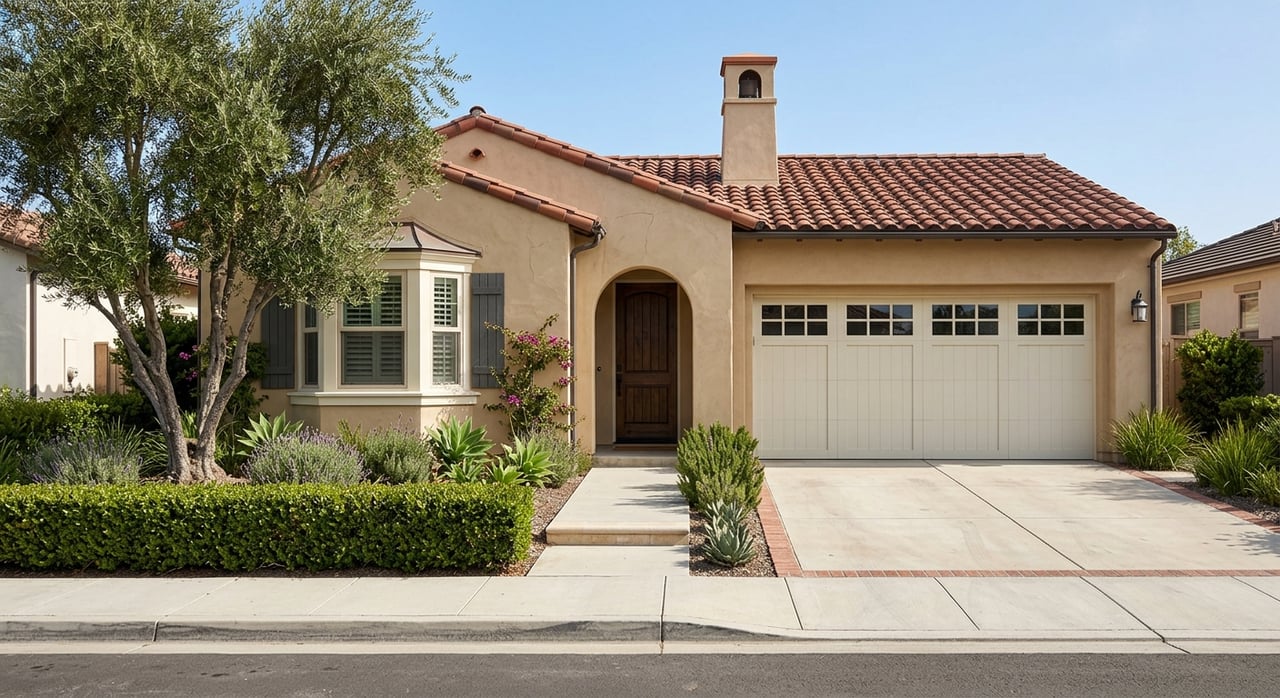
How to Win a Multiple Offer on a Glendale Character Home
May 28, 2026
May 28, 2026
If you have been searching for a Glendale character home, you already know the hard part is not just finding one you love. It is being ready when a well-preserved Spanish, Tudor, or Craftsman hits the market and draws serious attention. In this kind of search, preparation and local knowledge can matter as much as price. Here is how you can compete thoughtfully, protect yourself, and make a stronger offer when the right home appears. Let’s dive in.
Glendale is not moving at one speed across every price point and neighborhood. Citywide data in 2026 shows a mixed picture, with homes selling in about 35 to 36 days and Glendale described as either competitive or balanced depending on the source.
That said, the most distinctive homes often behave differently from the citywide average. Character-rich areas like Rossmoyne and Verdugo Woodlands sit above Glendale’s overall median listing price, which helps explain why a standout architectural home can attract multiple offers quickly.
In other words, you are often not competing for just any house. You are competing for a limited supply of homes with style, history, and details that are hard to replace.
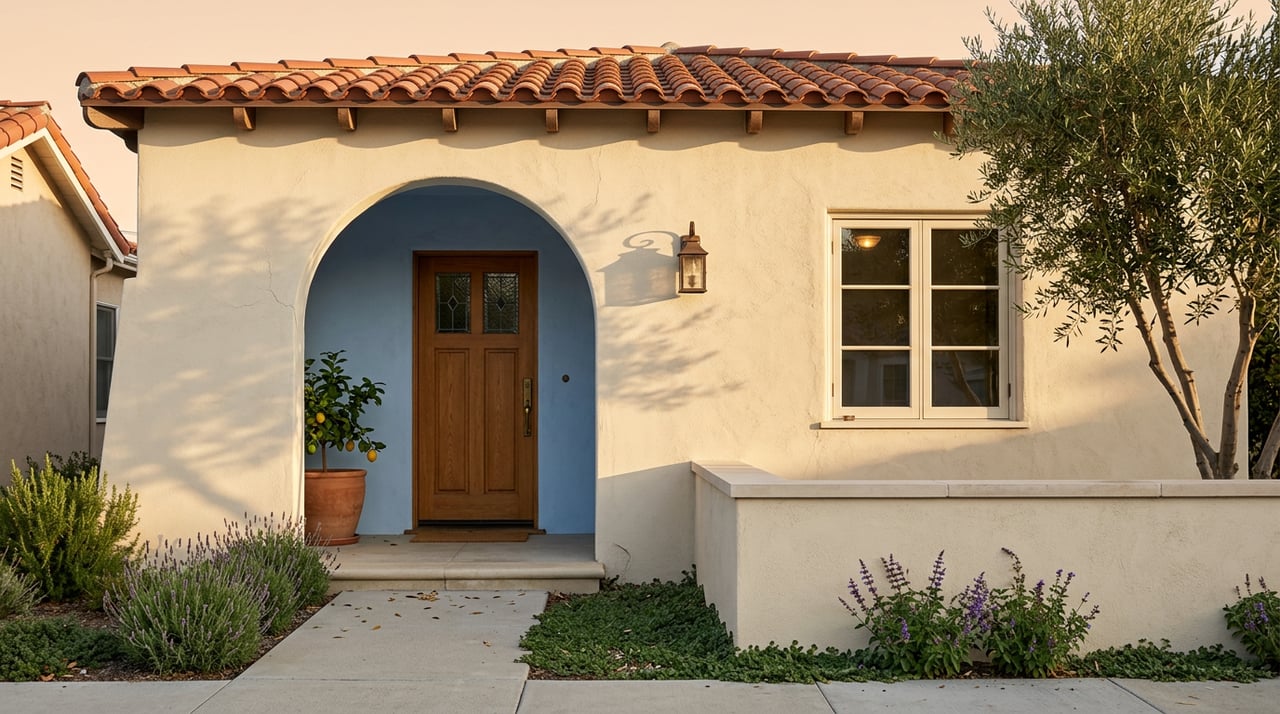
In Glendale, a character home usually means more than curb appeal. Many of the city’s best-known homes reflect established architectural styles and may sit in a local historic district or appear on the Glendale Register of Historic Resources.
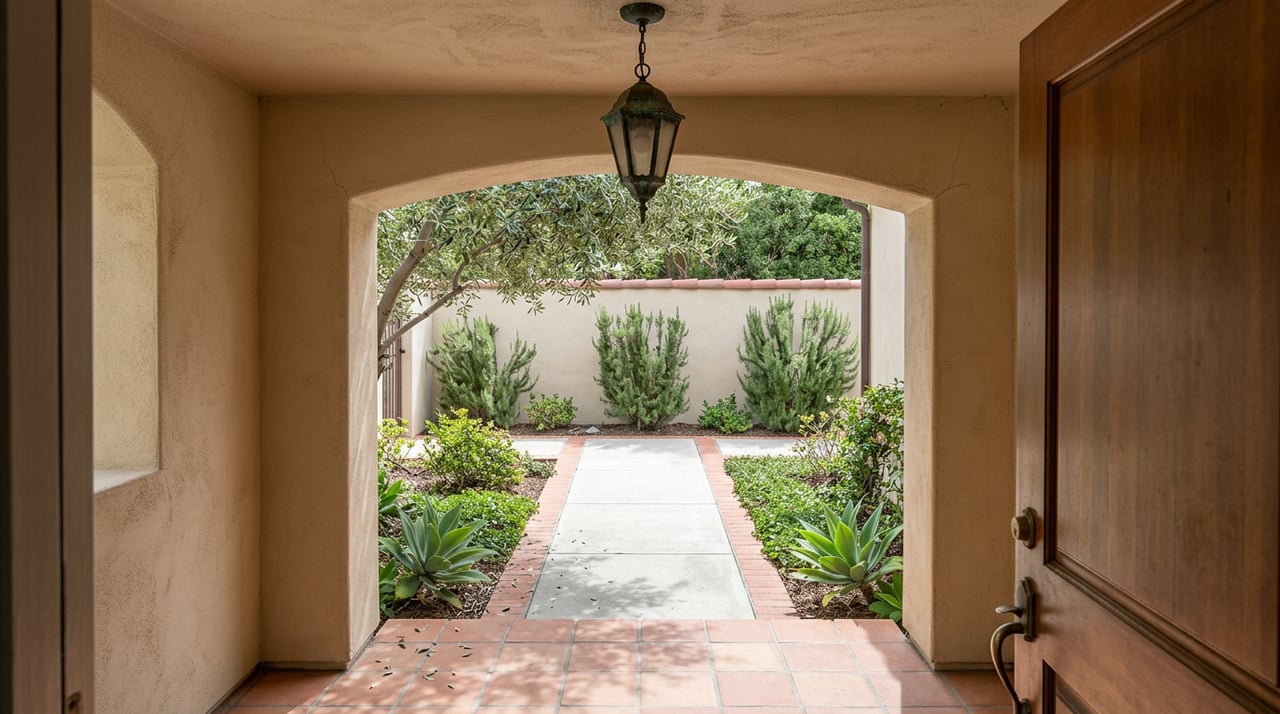
Glendale’s designated historic districts include Rossmoyne, Brockmont Park, Casa Verdugo, Cottage Grove, Royal Boulevard, and several others. Rossmoyne alone includes 503 homes and is known for Period Revival architecture such as Spanish Colonial Revival, Tudor Revival, and French-inspired designs.
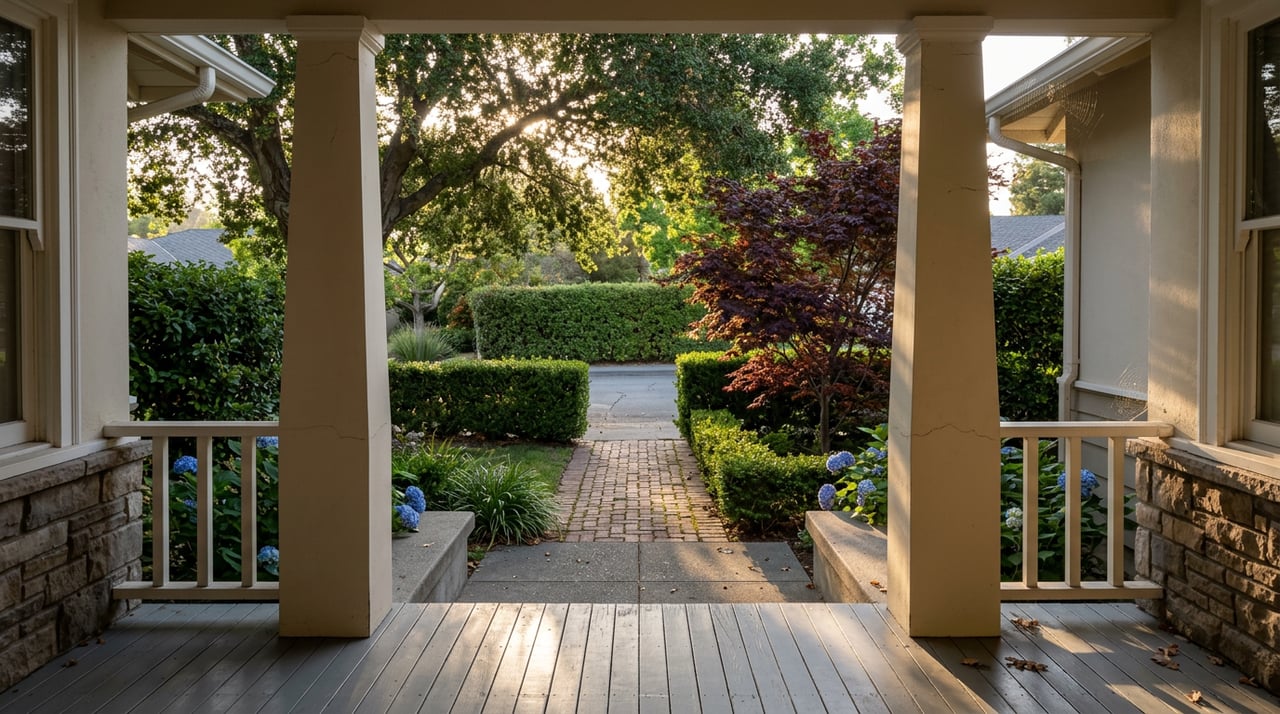
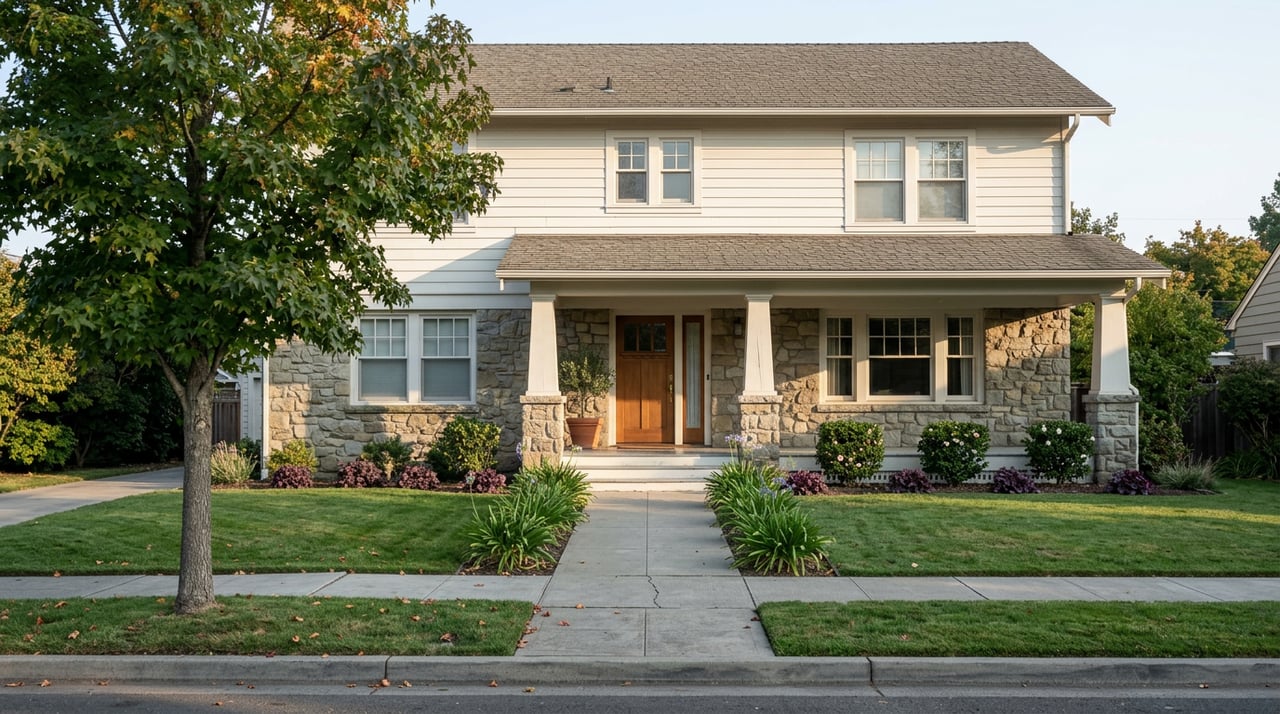
The city’s design guidance also identifies Craftsman as a prevalent Glendale style. Common features include wood clapboard or shingle siding, front-facing gables, and recessed porches.
That matters because the appeal of these homes is tied to the very details that make them scarce. Original windows, rooflines, porches, materials, and façade features can all influence how buyers value a property.
A smart offer on a Glendale character home starts with understanding what you may be buying into. If a home is in a historic district, exterior work is reviewed through Glendale’s preservation process rather than the standard design review path.
That does not mean the property is frozen in time. It does mean future exterior changes may be more regulated than they would be for a typical non-historic home.
If a property is listed on the Glendale Register of Historic Resources, proposed alterations, repairs, and demolitions must be approved by the Community Development Department and or the Historic Preservation Commission. That can affect your plans, timeline, and renovation budget.
Before you write, try to answer a few practical questions:
These are not small details. In a multiple-offer situation, buyers who understand the preservation backdrop tend to make cleaner and more confident decisions.
In a competitive situation, speed helps only if it is backed by real preparation. A preapproval letter can show a seller that a lender is willing to lend up to a certain amount, and sellers often want to see one before accepting an offer.
Preapproval is still tentative, though. It is not the same as final loan approval, and these letters often expire in 30 to 60 days.
You also need to know your own budget, not just your lender’s maximum. The strongest buyers are clear about the highest price they are comfortable paying before emotions enter the picture.
Your cash position matters too. In addition to your down payment, you should be prepared for closing costs. Buyers are generally advised to expect added funds for closing costs, and national consumer guidance often places those costs around 2% to 5% of the purchase price.
When several buyers want the same home, a strong offer is usually about more than the top number. Sellers often respond well to terms that feel solid, easy to understand, and less likely to fall apart in escrow.
That can include:
One common decision point is whether to ask for seller credits toward closing costs. That request can make an offer feel less clean, and if the price is pushed higher to offset the credit, it can also create appraisal challenges.
In a multiple-offer setting, a simpler offer can sometimes carry more weight than a larger number with more moving parts. The goal is to be competitive without creating unnecessary friction.
It can be tempting to strip away protections just to look more aggressive. In California, buyers are advised to think carefully about contingencies such as loan qualification, repairs, pest inspections, home inspections, and home warranty items.
That does not mean every offer needs the same terms. It does mean you should understand what you are giving up before you remove any protection.
Financing is a key example. California consumer guidance warns that pre-qualifying does not eliminate the need for a financing contingency, and removing that protection can put your deposit at risk if you cannot secure the loan.
The best strategy is usually not to waive protections blindly. It is to build a competitive offer that is still grounded in your actual risk tolerance and the property’s condition.
When buyers feel emotionally attached to a special home, it is natural to want to explain why. But California guidance warns that buyer love letters can create fair housing concerns if they encourage decisions based on protected characteristics instead of price and terms.
A cleaner approach is to keep communication focused on objective factors. That means your offer should stand on its financial strength, clarity, and reliability.
This approach protects everyone involved and keeps the process centered on lawful, professional decision-making. In a competitive market, that is the right way to compete.
For some Glendale historic homes, the Mills Act can be part of the picture. The city says its program can produce roughly 50% annual property tax savings on newly improved or purchased older properties, subject to a minimum 10-year contract that renews each year and transfers to a new owner when the home is sold.
That potential benefit can be meaningful, especially if you plan to hold the property long term. But it should never be treated as a simple bonus without understanding the obligations that come with it.
If a home has a Mills Act contract, ask what responsibilities transfer with the sale and how that may affect future maintenance or improvements. Tax savings can be attractive, but informed ownership matters just as much.
Winning the offer is only one step. Once a seller accepts, you still need to move through escrow in a way that keeps the transaction on track.
That usually means providing any additional lender documents quickly, scheduling your home inspection, shopping for homeowner’s and title insurance, and reviewing your closing disclosure before closing. A smooth escrow often comes down to responsiveness and organization.
This is especially important with character homes. Older properties can involve more questions about condition, repairs, or documentation, so staying engaged after acceptance is part of winning well.
In Glendale, the strongest buyers are often the ones who combine financial readiness with local understanding. They know that a character home is not just a floor plan and lot size. It may also involve historic district review, architectural significance, and long-term stewardship.
That is why the edge is rarely just about offering the most money. It is about knowing what makes the property special, understanding the rules around it, and writing terms that are both competitive and responsible.
If you are targeting neighborhoods like Rossmoyne or Verdugo Woodlands, that level of preparation can make a real difference. Scarce homes tend to reward buyers who are ready before the listing goes live.
If you are preparing to compete for a Glendale character home, working with a team that understands preservation rules, local architecture, and what sellers respond to can help you move with more confidence. Chris Cragnotti brings deep Glendale character-home knowledge and a stewardship-minded approach to every step of the process.
Stay up to date on the latest real estate trends.

When you’re ready to make a move — we’re here to make it meaningful, seamless, and fully aligned with your goals. From first steps to final signatures, we’re by your side