Marketing Glendale Mills Act And Historic Homes
July 2, 2026
July 2, 2026
Wondering how to market a Glendale historic home without making it sound like just another charming old house? If your property has architectural character, a preservation story, or possible Mills Act value, the way you present it can shape both buyer interest and buyer confidence. When you market these homes with accuracy and depth, you can attract the right audience and set clearer expectations from the start. Let’s dive in.
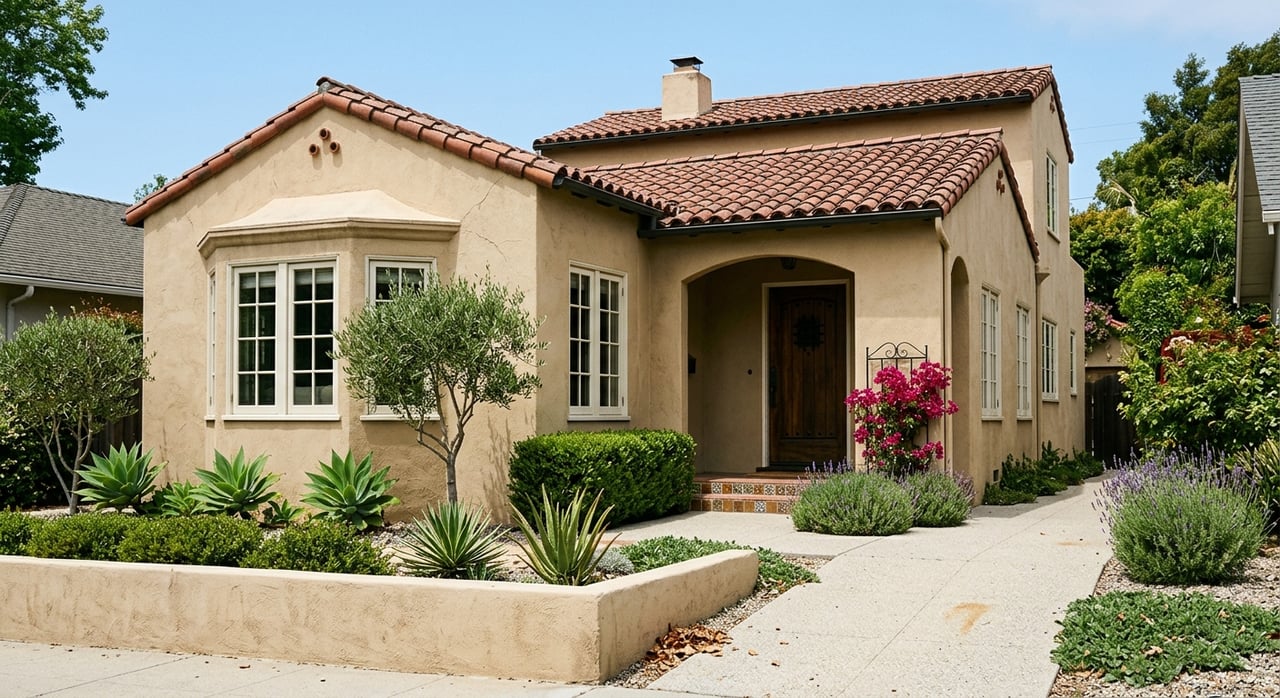
A historic or character home in Glendale should not be marketed like a generic listing. The city’s preservation framework gives owners a way to present a home as a documented property with architectural and historical context, rather than relying on vague words like “vintage” or “full of charm.”
That matters because Glendale’s Register of Historic Resources is not a complete list of the city’s historic properties. The city says the register was created in 1997, includes more than 100 properties, and that many additional properties may still be eligible. With East and West Glendale historic-context work still underway, research into significance remains active across the city.
The strongest marketing for a Glendale historic home usually starts with documentation. If a property is already listed on the Glendale Register, contributes to a historic district, or may be eligible for designation, those facts can help shape a more credible and compelling listing story.
Glendale’s nomination guide offers a useful framework for what buyers want to understand. It asks for prior owners, alteration history, architectural description, a statement of significance, and supporting documentation. In practice, that creates a strong outline for listing preparation, disclosures, and buyer education.
When buyers look at a historic home, they often want more than square footage and finish materials. They want to understand what the house is, why it matters, and how it has changed over time.
A well-prepared marketing package can answer questions such as:
This approach helps your home stand out for the right reasons. It also reduces the chance that a buyer falls in love with the look of the property without understanding the responsibilities that may come with it.
Glendale has a specific local process for historic designation and review. The city’s Register of Historic Resources uses four designation criteria modeled after the National Register and California Register. Owner consent is required, the register application has no fee, and in most cases only the exterior is considered for designation.
The city’s guide says the designation process can take about 3 to 6 months before any Mills Act step is added. That timing matters if you are planning a sale and want to market the home with completed documentation rather than a future possibility.
Glendale also has designated historic districts, including Ard Eevin Highlands, Brockmont Park, Casa Verdugo, Cottage Grove, Niodrara Drive, North Cumberland Heights, Rossmoyne, Royal Boulevard, and South Cumberland Heights. Cleveland Knoll is pending, and Verdugo Woodlands is proposed, according to the city.
Historic districts are created through community application, review of the area’s historic background and present condition, and multiple public meetings and hearings. If your home is in one of these areas, that district context can become part of the listing story.
One common concern is whether designation freezes a property in time. Glendale says historic districts are not meant to do that. At the same time, the city also says proposed alterations, repairs, and demolitions for listed properties are reviewed by the Community Development Department and or the Historic Preservation Commission.
That balance should be reflected honestly in your marketing. Buyers often appreciate character, authenticity, and stewardship, but they also need clear information about review requirements.
For some Glendale historic homes, the Mills Act can be a major part of the value story. The Mills Act is a state-authorized local program, but it is administered by cities and counties. For Glendale properties, buyers and sellers should follow the city’s process rather than Los Angeles County’s unincorporated-area program.
Glendale’s Mills Act materials say contracts are minimum 10-year agreements that renew automatically each year. They transfer to new owners when a property is sold and may include inspections and penalties for breach. The city also states that county assessors calculate Mills Act value using the capitalization-of-income method rather than market value.
If a home already has a Mills Act contract, that can be a meaningful feature for buyers to understand. Glendale says owner-occupied single-family residences and income-producing commercial properties may qualify, and that participants may realize approximately 50% annual property-tax savings on newly improved or purchased older properties, although actual savings depend on the assessor’s calculation.
That said, this is an area where accuracy matters. A listing should never promise a buyer a certain tax outcome. Instead, it should explain the status of the contract or application and encourage buyers to understand how the property’s valuation is handled.
Glendale’s current application form says Mills Act applications should be submitted by July 31 to help ensure recordation by December 31. The form also says there is a processing fee and asks whether the property is already on the Glendale Register or is a historic-district contributor.
The city also allows the Mills Act process to be coordinated with a Glendale Register nomination. For sellers, that can create a strategic opportunity if you are planning ahead and want to improve how the home is positioned before it reaches the market.
Historic-home buyers are often drawn to detail, craftsmanship, and originality. Generic listing copy can flatten those qualities. A stronger approach is to present the home as a concise preservation story grounded in facts.
That means your marketing should explain:
This is where specialist preparation can make a real difference. A documented, well-presented historic listing tends to speak more directly to buyers who value authenticity and understand stewardship.
Historic-home photography should do more than make the property look attractive. It should help buyers see the full visual identity of the home.
National Park Service guidance describes character-defining elements as the overall shape of the building, materials, craftsmanship, decorative details, interior spaces and features, and the site and environment. Glendale’s own application guide mirrors that thinking by asking for color photographs, a photo key and site plan, all elevations, close-up detail shots, and the surrounding environment.
A thoughtful visual package often includes:
This kind of presentation helps buyers understand the home as a complete historic property, not just a collection of rooms.
Many Glendale properties may be historically significant even if they are not yet designated. The city says its register is not a complete list and that many more candidates may be eligible. That creates opportunity, but it also calls for careful wording.
If a home appears to have historic potential, the marketing should present that as possibility, not certainty. Phrases that reflect documented research, neighborhood context, or ongoing eligibility review are more responsible than overstating a claim that has not been formally confirmed.
The goal is not to make the buyer imagine benefits that may never materialize. The goal is to show the home’s architectural merit, explain its current status, and clarify what may be worth exploring.
That kind of honesty tends to attract a more aligned buyer pool. In many cases, that is an advantage because it brings in buyers who value character, are comfortable with stewardship, and appreciate the long-term appeal of a well-preserved home.
Selling a Glendale Mills Act or historic home often involves more moving parts than a standard transaction. There may be architectural research, photo documentation, preservation review questions, vendor coordination, staging decisions, and buyer education that all need to be handled with care.
That is why a boutique, preservation-minded approach can matter so much. When your agent understands Glendale’s local framework and knows how to present the home with depth and precision, your listing can feel both more authoritative and more inviting.
For sellers, that can mean better preparation, stronger storytelling, and fewer surprises in escrow. For buyers, it can mean clearer expectations about the home’s benefits, obligations, and long-term value.
If you are preparing to sell a character or historic property in Glendale, the right strategy starts with accuracy, presentation, and respect for what makes the home special. To talk through your options with a local specialist, connect with Chris Cragnotti.
Stay up to date on the latest real estate trends.

When you’re ready to make a move — we’re here to make it meaningful, seamless, and fully aligned with your goals. From first steps to final signatures, we’re by your side