Are Glendale Character Condos and Townhomes Right for You?
July 16, 2026
July 16, 2026
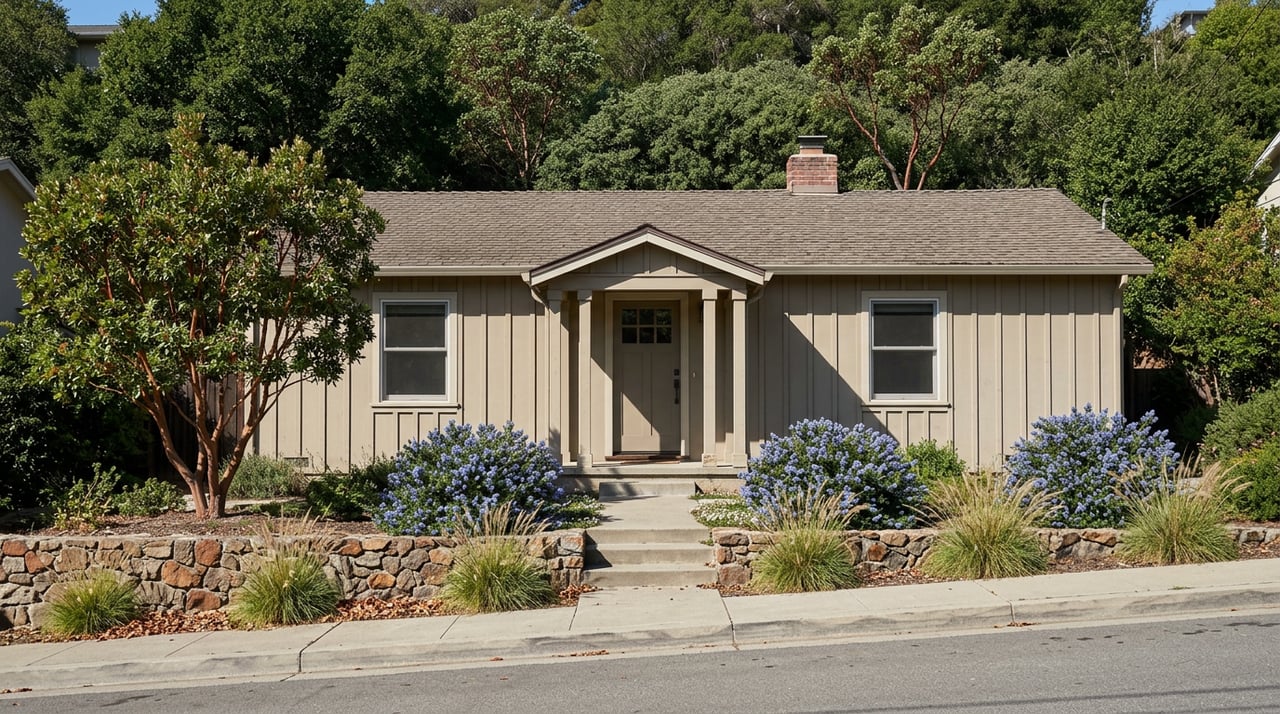
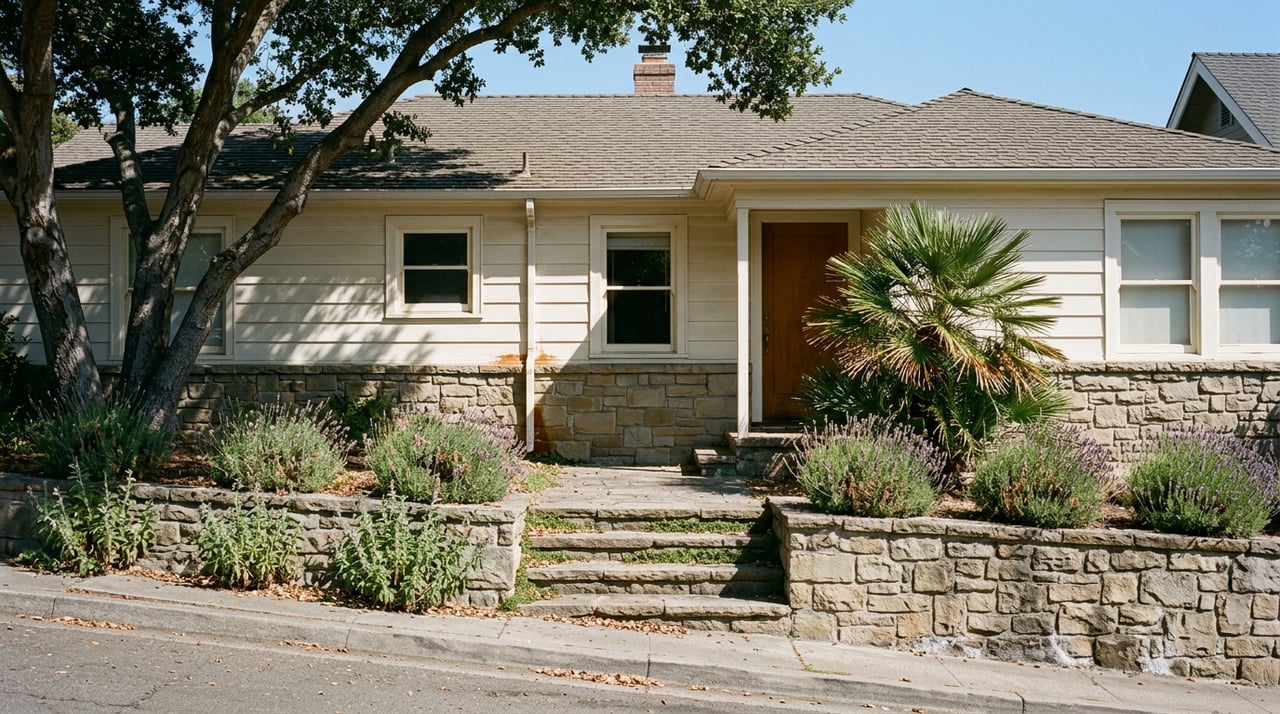
If you love old-home charm but do not want to spend every weekend on yard work, Glendale offers a compelling middle ground. Many buyers want the warmth of period architecture without the constant upkeep that can come with a large lot or fully detached house. In Glendale, character-rich condos and other attached homes can offer exactly that balance, with vintage detail, shared outdoor space, and a lighter maintenance load. Let’s dive in.
Glendale is a well-established city with 196,543 residents and 72,573 households, based on 2020 Census data. It also has a 19.0% share of residents age 65+ and a mean travel time to work of 27.1 minutes in the 2020-2024 ACS. Those numbers help explain why attached homes can appeal to both busy professionals and downsizers looking for a simpler day-to-day routine.
The city also stands out for its long commitment to preservation. Glendale adopted its first Historic Preservation Element in 1977, making it one of the earliest local jurisdictions in California to do so. That preservation mindset helps support the kind of architectural continuity many buyers hope to find in character-focused condo living.
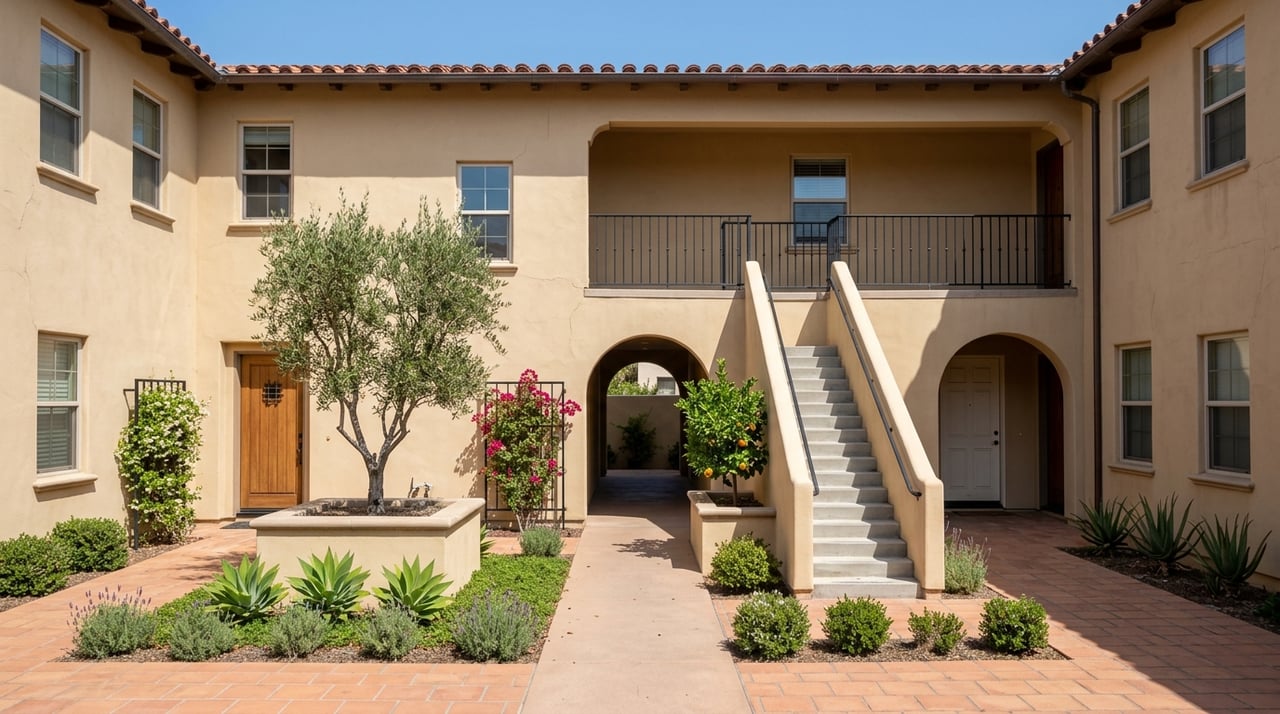
In Glendale, a character condo is often defined less by square footage and more by building form, materials, and setting. The city’s residential design guidelines point to housing types that became popular beginning in the mid-1920s, including duplexes, fourplexes, apartment buildings, and courts. These forms still shape the feel of many older attached properties in the city.
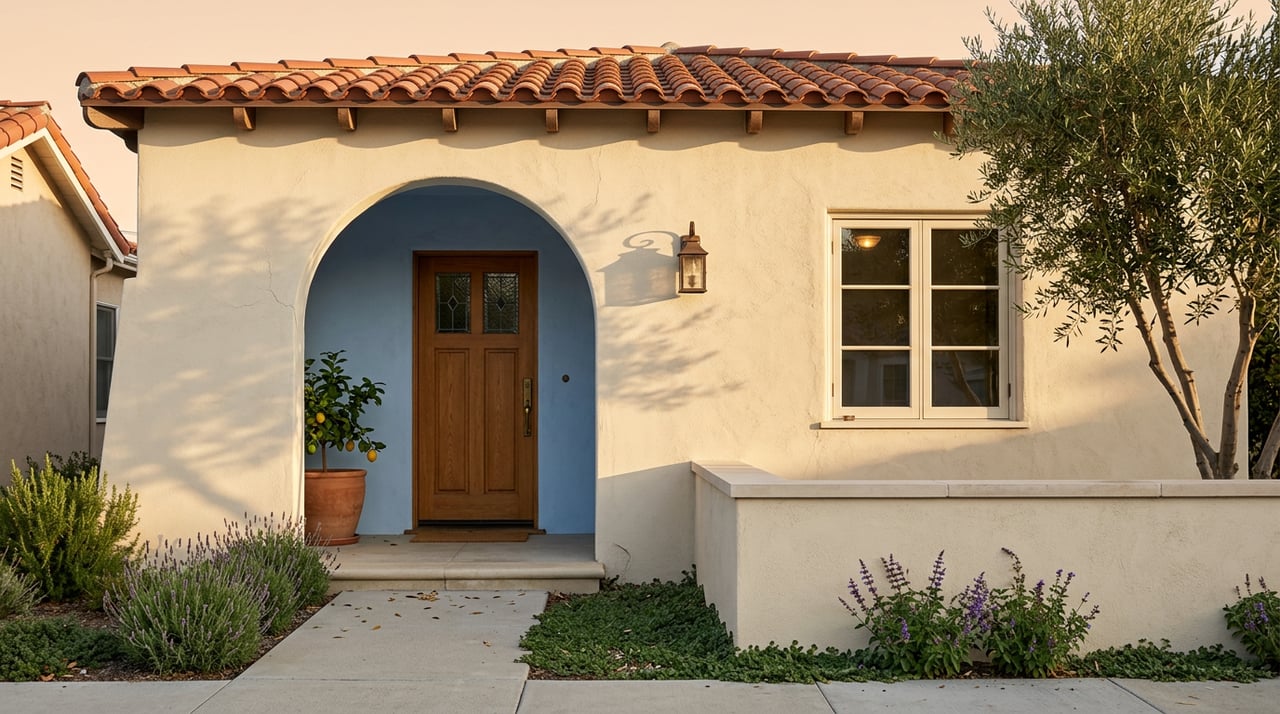
Craftsman architecture appeared in early duplexes, while Spanish Colonial Revival became especially common in the 1920s and 1930s. That style is a natural fit for buyers who want visual warmth and historic texture without taking on the demands of a larger single-family property. In many cases, the charm comes from the whole composition, not just one feature.
One of the most distinctive Glendale forms is the courtyard apartment or court-style building. According to the city’s guidelines, bungalow courts and courtyard schemes were popular because they created a shared residential environment. That sense of arrival and shared open space still matters today.
Some courtyard apartments are arranged as collections of small free-standing structures, while others are designed to resemble larger single-family homes. That can make an attached home feel more intimate and architectural, even when it comes with shared ownership structure and common spaces.
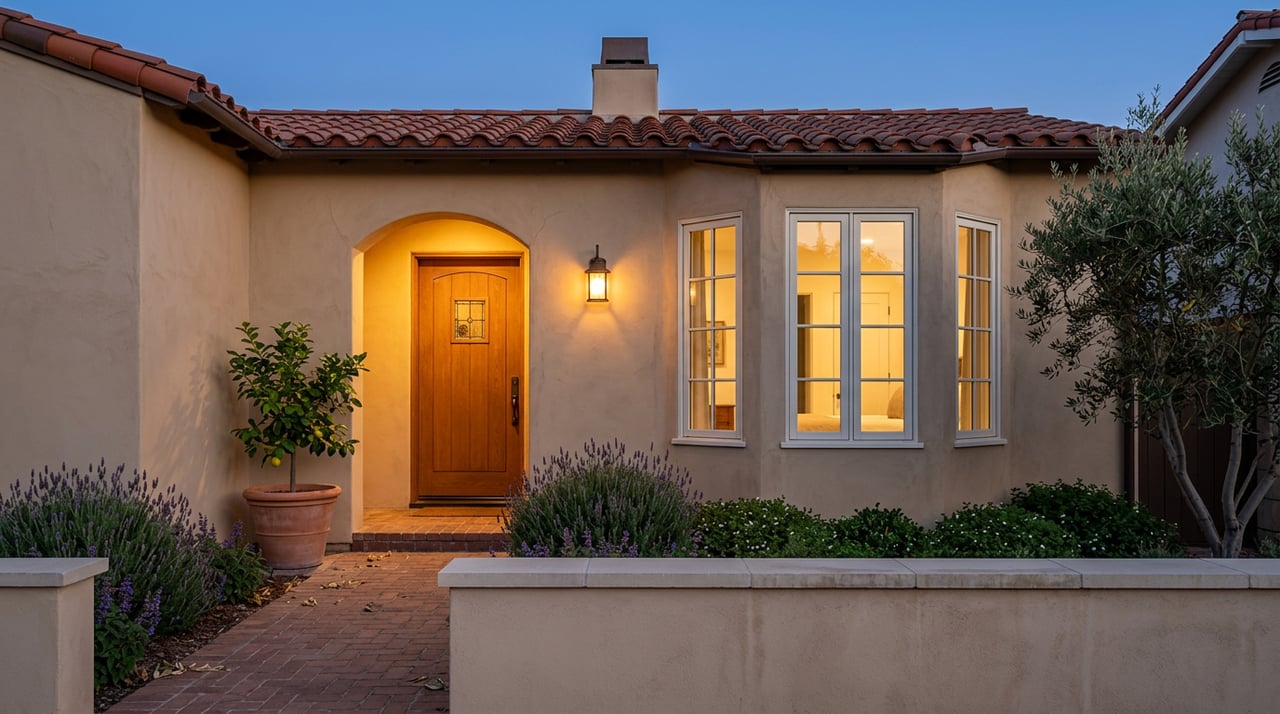
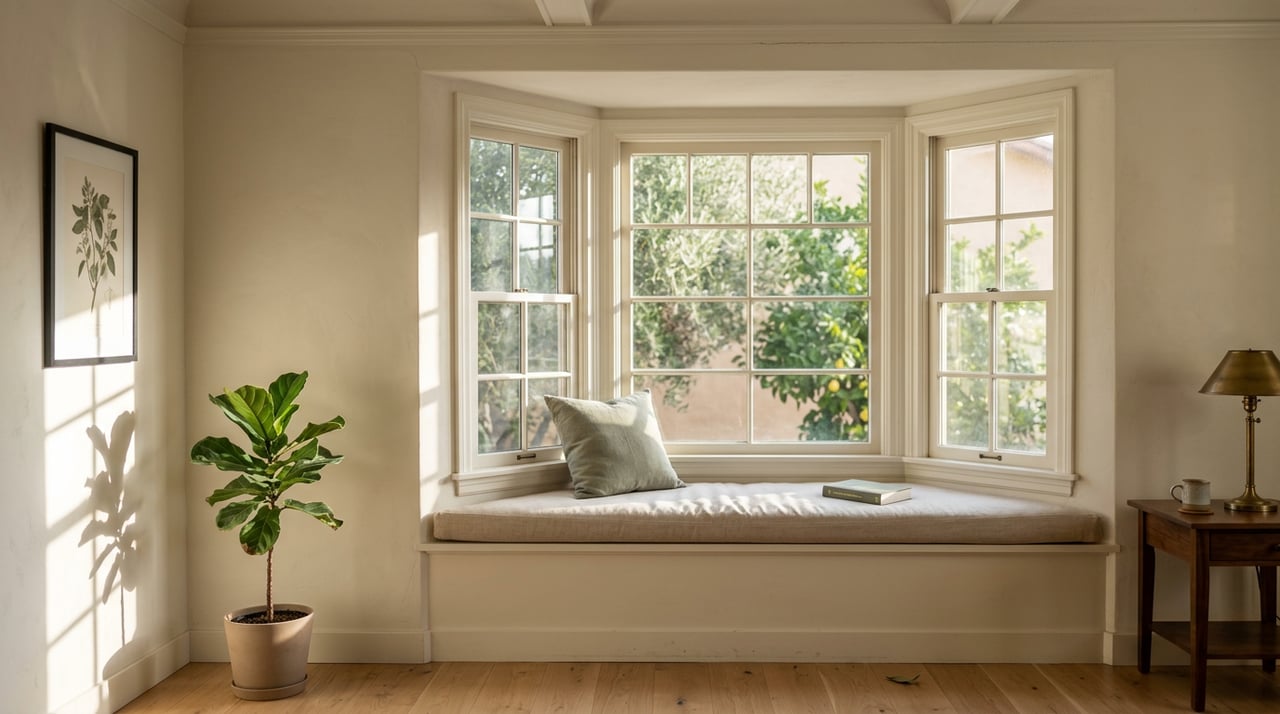
When buyers talk about a Glendale condo having character, they are often noticing specific visual features. The city’s guidelines highlight smooth stucco walls, red clay tile roofs, recessed or courtyard-facing porches, divided-light windows, and compact two- or three-story massing. These details give many older Glendale buildings their lasting appeal.
In historic districts, the city’s adopted guidelines place added importance on preserving these character-defining features, especially on courtyard-facing buildings. For buyers who value consistency and architectural identity, that can be a real advantage.
Low-maintenance living does not mean no maintenance. It usually means that the burden of exterior and shared-area upkeep shifts away from you as an individual owner and toward the homeowners association. In a California condo or townhome, ownership generally includes automatic membership in the association.
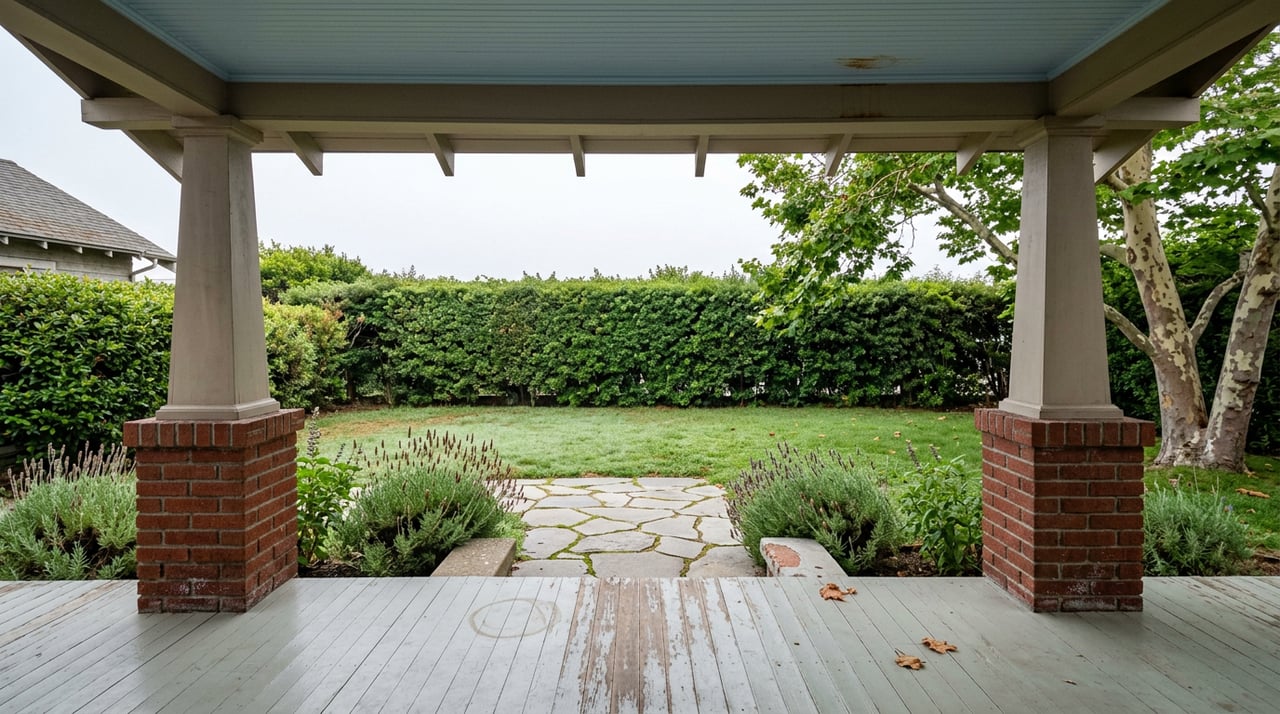
The association is generally responsible for repairing, replacing, and maintaining the common area, while you are generally responsible for your separate interest. There is also a special category called exclusive-use common area. Under California rules, features like balconies, patios, porches, and stoops that sit outside the unit boundary are often treated as exclusive-use common area unless the governing documents say otherwise.
For many buyers, this arrangement is the heart of the appeal. You may have less exterior maintenance, less landscaping responsibility, and fewer large-scale upkeep tasks tied directly to your own to-do list. That can be especially attractive if you want a lock-and-leave lifestyle or simply want to spend less time managing a property.
At the same time, lower day-to-day maintenance usually comes with more shared governance. You are relying on dues, budgets, reserves, and board decisions to keep the property in good shape. So the convenience is real, but it works best when the association is well run and the rules align with how you want to live.
Before you buy a Glendale character condo, it helps to look beyond the architecture. California Department of Real Estate guidance advises buyers to review the governing documents, board minutes, insurance coverage, budget, and reserve account. These materials can tell you a great deal about how the property is managed.
HOA budgets typically fund day-to-day operations as well as long-term reserves. Special assessments may also be used for major repairs or unexpected expenses. For a character property, that review matters even more because older buildings can require thoughtful planning for preservation and maintenance over time.
If you are downsizing, one of the biggest questions is often how much flexibility you want to give up in exchange for easier upkeep. HOA rules can shape everything from exterior changes to the use of shared areas. A condo may simplify your responsibilities, but it can also narrow your ability to act independently.
Reserve strength is just as important. A healthy reserve account can signal that the association is planning ahead for repairs and replacements. That does not remove all risk, but it can help you better understand whether the low-maintenance promise is supported by sound management.
In Glendale, some character condos or attached homes may sit within a historic district. The city states that work in a historic district is reviewed by the Historic Preservation Commission rather than the Design Review Board. That distinction matters if you are thinking about exterior changes.
For some buyers, this added layer is a benefit. It can help preserve the architectural continuity that makes these properties special in the first place. For others, it may feel limiting, especially if renovation flexibility is a top priority.
Glendale lists multiple designated historic districts, including Rossmoyne, Casa Verdugo, and Royal Boulevard. In these areas, preservation policies are intended to protect neighborhoods with architectural or historic character. That broader context can strengthen the sense of place around a character-focused property.
If you are drawn to attached housing because of its period style, this preservation framework may be part of the appeal. It helps support a more consistent visual environment, which can be hard to replicate in places without clear preservation standards.
Glendale’s planning and transportation context also supports the low-maintenance condo conversation. The city’s downtown planning emphasizes transit- and pedestrian-friendly policies, and public transportation options include Beeline, Dial-A-Ride, and the Larry Zarian Transportation Center. For many buyers, that can make attached living feel even more practical.
The Larry Zarian Transportation Center serves as an Amtrak and Metrolink station and also functions as a transfer point for Metro and other services. For professionals with regular commutes, that added connectivity may complement the convenience of a smaller-footprint home.
For older residents, the city notes that Dial-A-Ride, MTA bus passes, and Beeline bus passes are available through senior centers. That does not make every condo the right fit for every buyer, but it does reinforce Glendale’s appeal for people seeking simpler living arrangements with access to city services and transportation options.
A character condo may be a strong fit if you want architectural interest without the full demands of detached-home ownership. You might value shared courtyards, preserved facades, and smaller footprints more than a large private yard. You may also appreciate the idea of exterior upkeep being handled through a shared structure rather than solely by you.
It may be less ideal if you want full control over exterior changes or if HOA rules feel restrictive to you. The right decision often comes down to your comfort with shared decision-making, monthly dues, and the condition and governance of the building.
Before moving forward, it helps to weigh both style and structure:
Glendale’s best character condos often succeed because they offer a thoughtful compromise. You get the atmosphere of older architecture, the appeal of shared courtyards or classic facades, and a lighter maintenance burden than many detached homes. If that blend matches your priorities, this corner of the market can be especially rewarding.
If you are weighing the pros and cons of a Glendale character condo, it helps to work with someone who understands both the architecture and the practical details behind ownership. Chris Cragnotti brings preservation-minded local insight to buyers and sellers who want clear guidance in Glendale’s character-home market.
Stay up to date on the latest real estate trends.
When you’re ready to make a move — we’re here to make it meaningful, seamless, and fully aligned with your goals. From first steps to final signatures, we’re by your side