A Glendale Architecture Driving Tour Through Hidden Gems
July 9, 2026
July 9, 2026
Ever notice how Glendale’s most memorable homes are often tucked off the main drags, hiding in hillside curves, one-block enclaves, and leafy residential pockets? If you love architecture, neighborhood character, or the idea of seeing a different side of the city from your car, this route gives you a practical way to explore Glendale’s standout historic areas. You’ll get a simple driving loop, style cues to look for from the curb, and a few smart planning tips to make the outing easy. Let’s dive in.
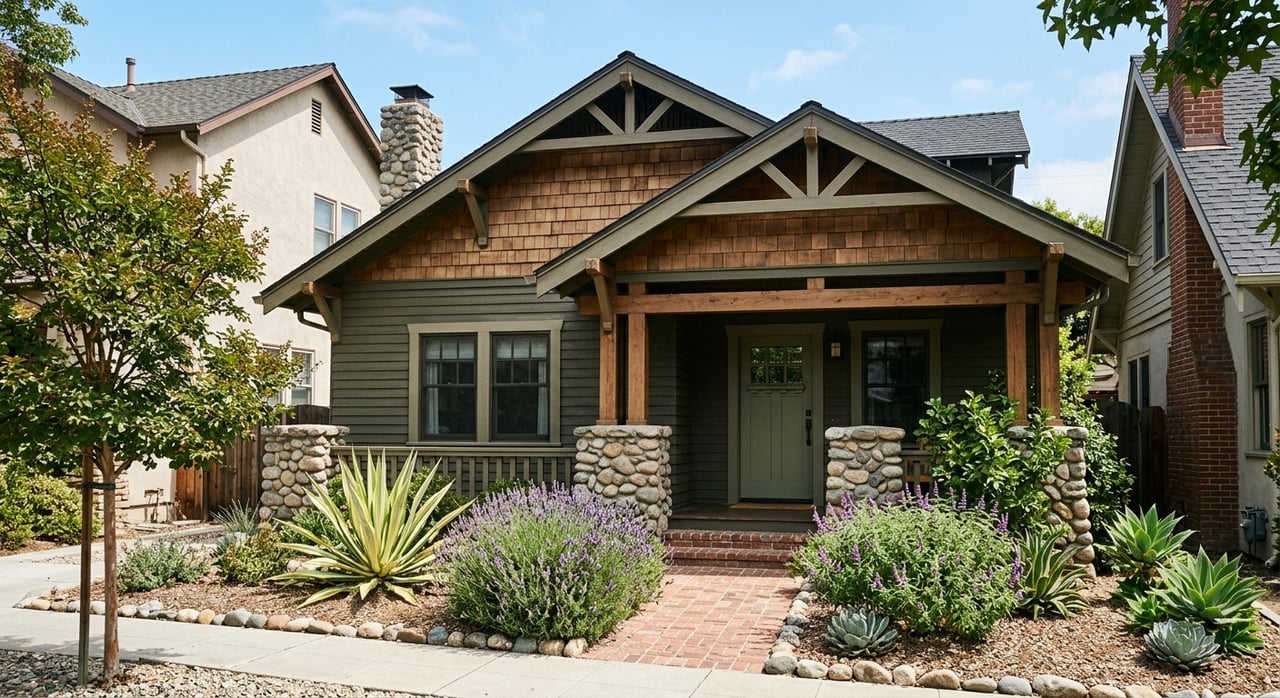
Glendale’s architectural story is not concentrated on one famous street. The city’s historic resources span multiple eras and styles, including Craftsman, Spanish Colonial Revival, Tudor Revival, Colonial Revival, Mediterranean Revival, Modern, Ranch, French Eclectic, and Streamline Moderne.
That mix is what makes Glendale such a good place for a hidden-gems tour. Instead of one polished corridor, you get a series of distinct residential pockets, each with its own rhythm, lot pattern, and architectural personality.
The city also has a strong preservation framework. Glendale’s designated historic districts are recognized for architectural or historic character, and exterior work in those districts is reviewed by the Historic Preservation Commission.
If you want a clean beginning or ending point, downtown Glendale is the easiest base. The Exchange, Marketplace, and Orange Street parking structures each offer 90 minutes of free parking, and downtown metered parking is posted by area.
Most downtown streets are listed at $2.50 an hour, while Brand Boulevard is listed at $4.00 an hour. That makes downtown a practical place to grab coffee, set your route, and head out without overthinking logistics.
If you want a pre-tour stop, Love You Latte on West Lexington Drive is a convenient downtown cafe option. If you would rather plan a lunch break, Atrium Glendale and Tavern On Brand are also easy downtown pairings.
Start on Glendale’s south side for a look at one of the city’s more tucked-away architectural pockets. Adams Hill developed largely during the first half of the twentieth century, and that older housing stock gives the area a layered, lived-in feel that works well for an opening leg of the tour.
The main hidden gem here is Cottage Grove Avenue. This designated historic district covers a one-block stretch with 14 homes, most of them Tudor Revival, along with three Spanish Colonial Revival houses, an altered Folk Victorian farmhouse, and a 1937 Minimal Traditional house.
That kind of variety, in such a small footprint, is part of what makes the stop memorable. You can move slowly, stay in the public right-of-way, and compare rooflines, porches, and facade details without needing a long detour.
A useful nearby public stop is Adams Square Mini Park. It incorporates a 1936 Streamline Moderne gas station, which adds an early-modern contrast to the period homes nearby.
From the curb, Tudor Revival homes often stand out through steep rooflines and storybook silhouettes, while Spanish Colonial Revival homes tend to read softer and more sculptural. In Cottage Grove, that contrast is especially easy to spot because the homes sit close enough together to compare quickly.
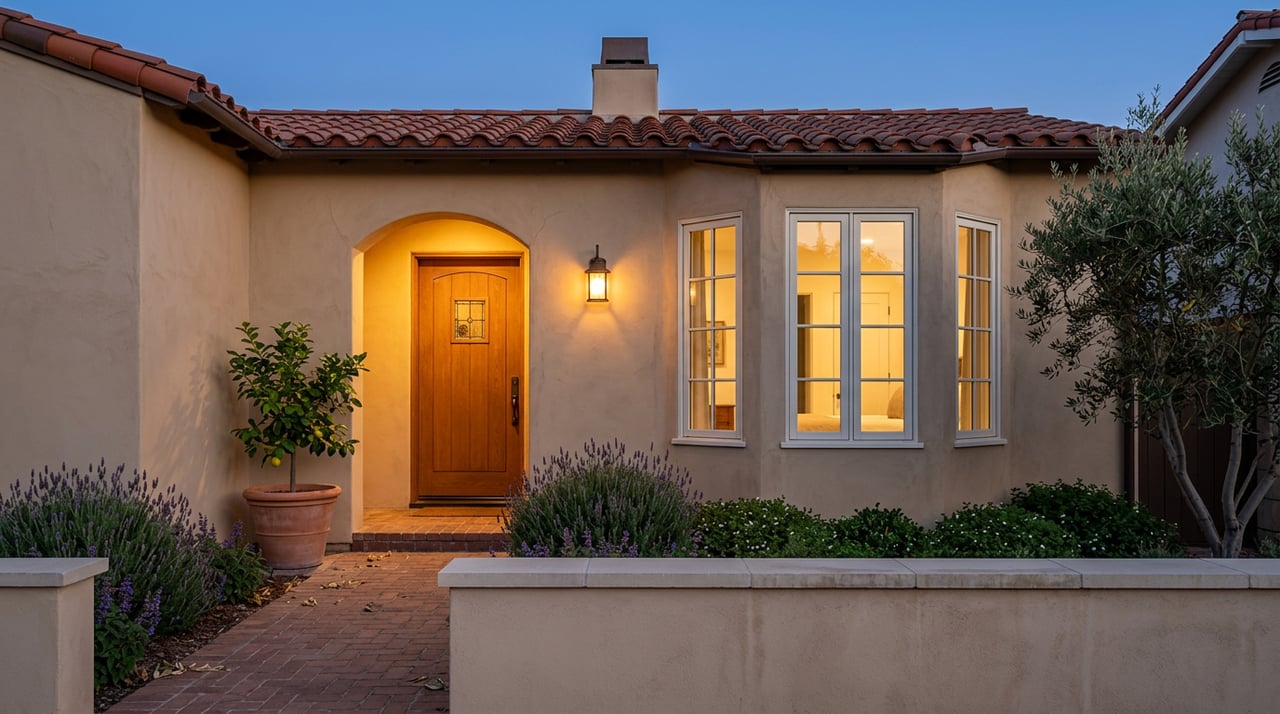
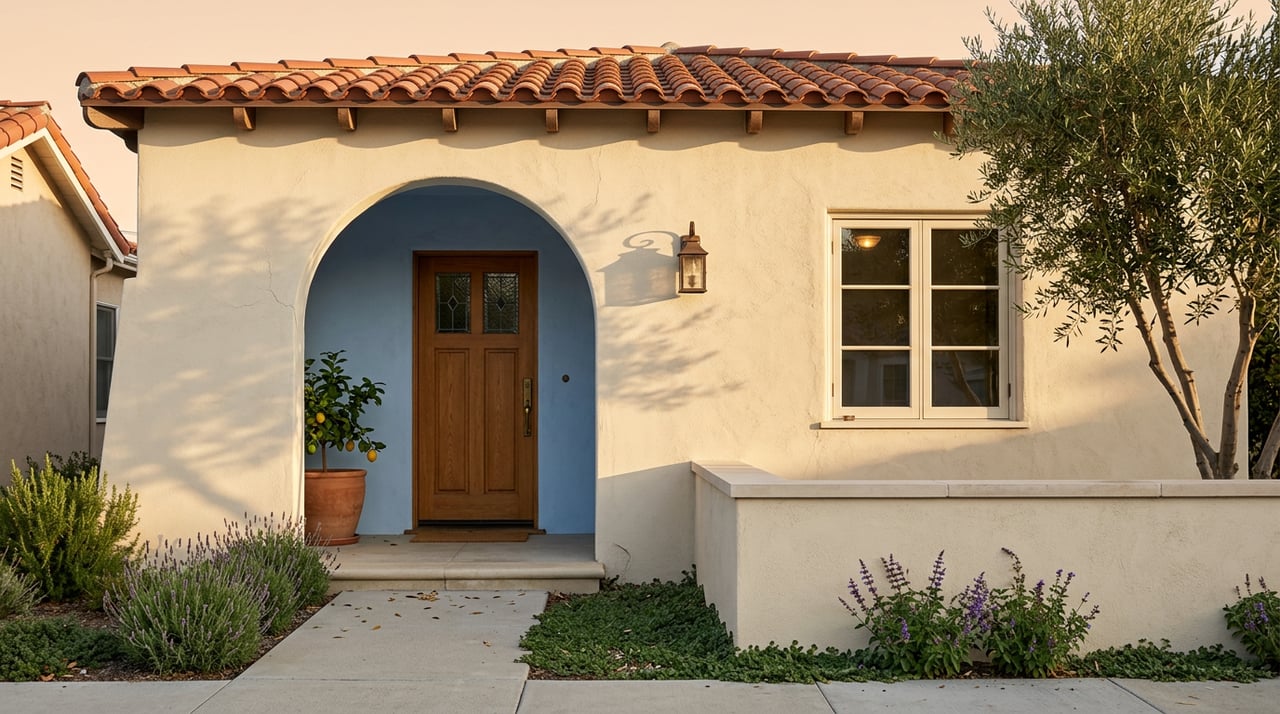
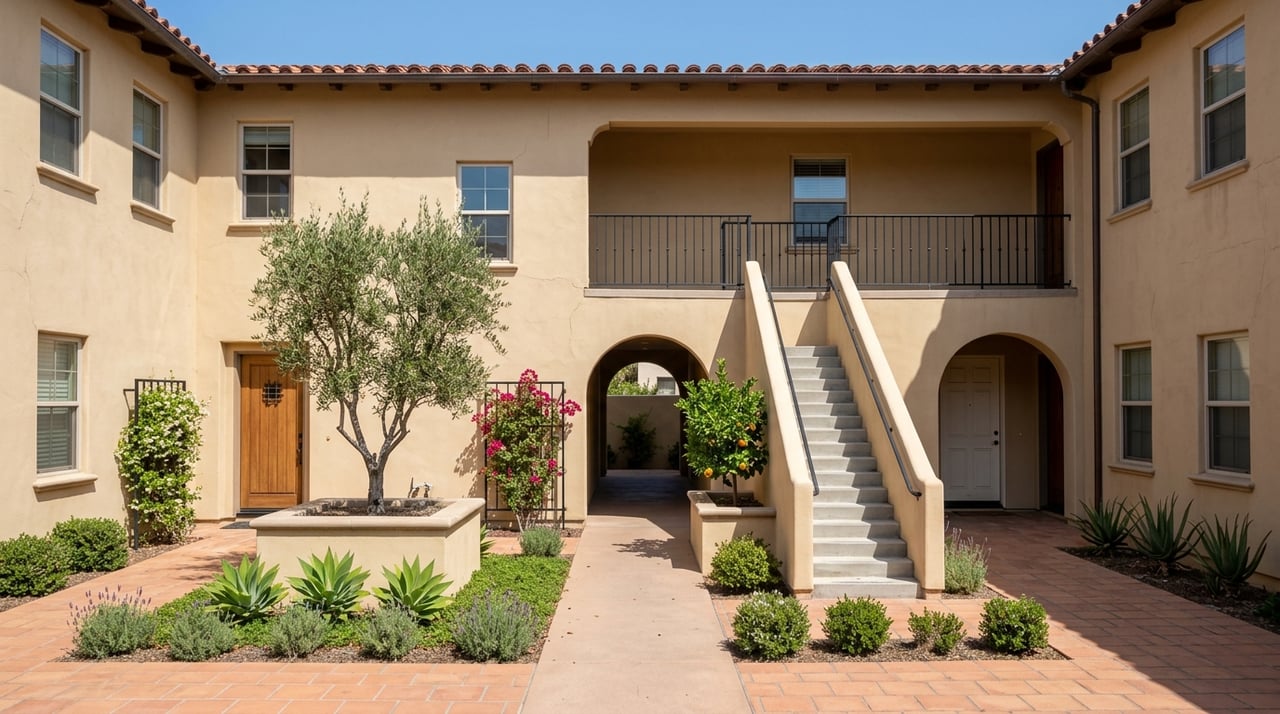
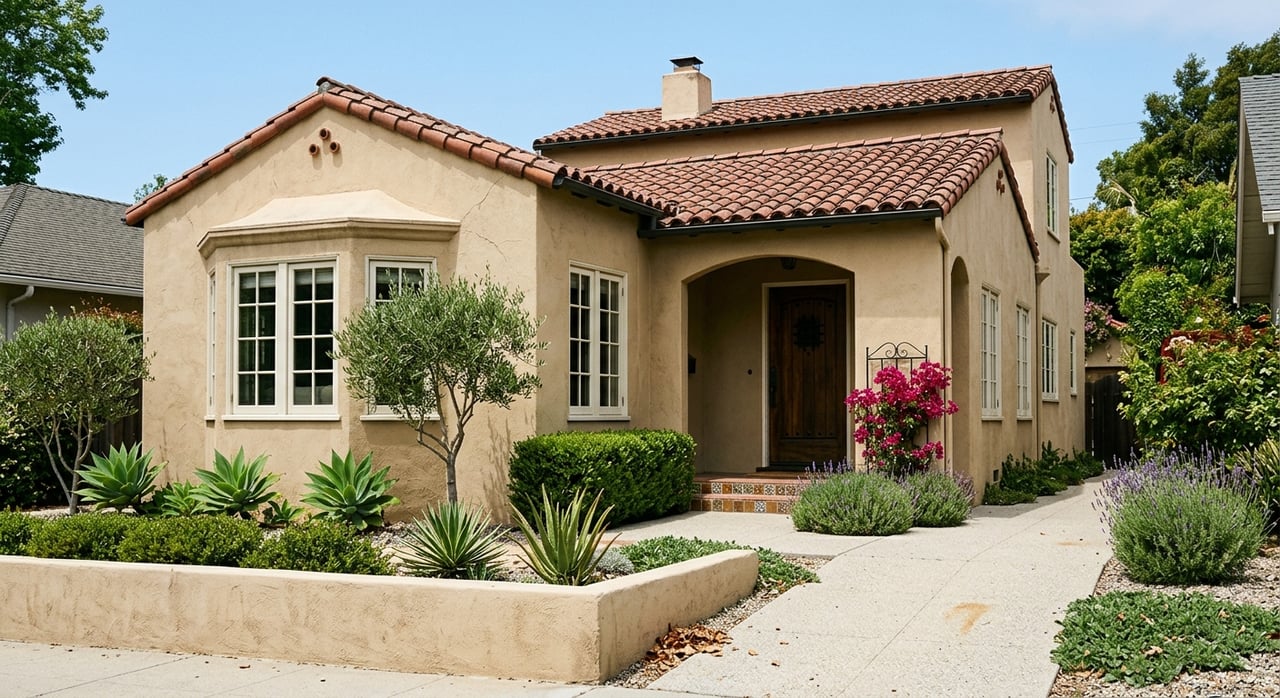
If you want to sharpen your eye, look for smooth stucco, red clay tile, arches, and low-pitched roofs on Spanish Colonial Revival homes. Those features are a recurring thread throughout Glendale.
From Adams Hill, head north toward Rossmoyne, Glendale’s largest historic district. With 503 homes on gently curving streets, Rossmoyne offers one of the city’s strongest concentrations of Spanish Colonial Revival, Tudor Revival, and French-inspired design.
This is the part of the drive where Glendale’s classic neighborhood identity really opens up. The street layout, mature landscaping, and consistent period housing give the area a cohesive feel, even though the homes are not all built in the same style.
Within Rossmoyne, Royal Boulevard deserves its own pass. This thirty-home, palm-lined district was built primarily between 1927 and 1948 and is noted as the final component of the Haddock-Nibley development.
Nibley Park is also part of the district, which helps give the area a defined neighborhood center. If you enjoy seeing how planning, streetscape, and architecture work together, this stop delivers that clearly.
Rossmoyne is a great place to compare Period Revival styles side by side. You may notice Spanish Colonial Revival homes with stucco walls, tile roofs, and arched openings, then turn a corner and find Tudor Revival or French-inspired houses with entirely different massing and trim.
This district also supports one of the bigger takeaways from Glendale’s historic fabric. The city’s most compelling neighborhoods are often layered collections of styles, not one-note showpieces.
Next, head into northwest Glendale for Brockmont Park. This district includes 58 homes on land that was once John C. Brockman’s estate, and it combines a strong sense of setting with a varied residential streetscape.
The city highlights the 1910 Brockmont house and clock tower landmark as key features. Around them, you’ll find an excellent mix of 1920s and 1930s period-revival homes along with 1950s Ranch houses.
That blend is part of the charm. Brockmont Park helps you see how Glendale evolved over time instead of freezing at one architectural moment.
Pay attention to the shift from more ornamental earlier homes to the cleaner lines of later Ranch-era design. Ranch and other later houses often feel lower, wider, and more horizontal than their revival-style neighbors.
That visual transition matters if you are trying to understand Glendale as a whole. Many of the city’s best neighborhoods are defined not just by one era, but by the way later homes were added into an already established setting.
Continue east toward Cumberland Heights for another important chapter in Glendale’s residential history. North Cumberland Heights includes 179 single-family homes with strong historic associations and many Period Revival, Minimal Traditional, and Ranch examples.
Nearby Ard Eevin Highlands adds another 87 homes, mostly built between the 1920s and 1940s. The district includes Spanish Colonial, Monterey, Colonial, Tudor Revival, Minimal Traditional, and Ranch styles, giving you another broad sample of Glendale’s architectural range.
This is a useful stop if you like seeing how one hillside area can hold several decades of design in one connected landscape. The route feels residential and scenic without losing the architectural focus.
Minimal Traditional homes are often simpler and less ornamented than the revival styles around them. That makes them a good bridge between earlier decorative architecture and the cleaner, more streamlined houses that came later.
As you drive, compare home shapes as much as decorative detail. Roof pitch, footprint, and window arrangement often tell you as much as trim or materials.
For a picturesque finish, head into Verdugo Woodlands and make time for Niodrara Drive. This district includes 32 homes ranging from Period Revival to Ranch and Modern, and the stream and bridges create one of the most distinctive streetscapes on the route.
Niodrara works especially well as the final leg because it adds landscape drama to the architecture. The homes are important, but so is the way the natural setting frames the street.
If you want a scenic public endpoint after this section, Brand Park is a strong choice. It includes historic and cultural features such as the Brand Library, the Whispering Pine Teahouse, the Doctors House, trails, and the Catalina Verdugo Adobe nearby as another useful historic anchor.
This is a good place to look for Glendale’s later Modern tendencies. Modern and Mid-Century houses generally move toward flat roofs or low-pitched sweeping gables, rectilinear forms, strong horizontal lines, and spare ornamentation.
Materials also help. Stucco, brick, and concrete block often appear in these later houses, and the overall look tends to feel more streamlined than the city’s earlier revival homes.
If you are new to architectural spotting, this simple cheat sheet can help while you drive.
If you want to keep the drive efficient, a smart general loop is downtown Glendale to Adams Hill, then Rossmoyne and Royal Boulevard, then Brockmont Park, then Cumberland Heights, and finally Verdugo Woodlands or Brand Park.
That sequence helps you avoid treating Glendale like a single-corridor city. It also reflects the reality that the strongest architecture is spread across multiple residential pockets rather than concentrated in one district.
These neighborhoods are active residential areas, not open-air museums. The best approach is to stay on the public right-of-way, keep stops brief, avoid blocking driveways, and follow posted no-parking zones and time limits.
That matters especially in permit areas, since a resident permit does not override posted no-parking rules or times. A respectful, low-impact approach helps preserve the experience for both visitors and residents.
A drive like this does more than fill an afternoon. It helps you understand why Glendale attracts people who value original details, neighborhood continuity, and homes with a clear architectural identity.
It also shows why buying or selling in these areas benefits from hyper-local knowledge. Historic districts, preservation review, architectural character, and neighborhood-specific presentation all shape how these homes are understood and marketed.
If you are thinking about buying or selling a character property in Glendale, working with someone who understands both the homes and the local preservation landscape can make the process much clearer. If you want that kind of guidance, reach out to Chris Cragnotti for thoughtful, local advice.
Stay up to date on the latest real estate trends.
When you’re ready to make a move — we’re here to make it meaningful, seamless, and fully aligned with your goals. From first steps to final signatures, we’re by your side