Living in Glendale Character Homes: A Local Guide
June 11, 2026
June 11, 2026
What makes Glendale feel different from other Los Angeles area cities? For many buyers and sellers, it is the way everyday life and architectural character seem to go hand in hand. If you are drawn to homes with history, texture, and a real sense of place, Glendale offers more than beautiful facades. It offers neighborhoods, parks, local routines, and a preservation culture that support the experience of living in a character home. Let’s dive in.
Glendale is a 30.6-square-mile city with an estimated 2025 population of 192,212, and the City describes it as a place with 34 neighborhoods that each carry distinct history and character. That matters because character-home living here is not limited to a few isolated blocks. It is part of how Glendale understands itself.
The City also treats historic preservation as part of its broader planning approach, not as a side topic. With more than 100 properties on the Glendale Register of Historic Resources and multiple historic context studies completed or underway, Glendale has built a framework that helps support neighborhood identity over time.
That bigger picture gives character-home buyers and owners something meaningful. You are not just choosing an older house. You are choosing a home in a city that actively recognizes the value of its built history.
Glendale’s appeal comes from variety. Some areas feel formal and classic, some feel leafy and village-like, and others have a more relaxed hillside rhythm.
Rossmoyne is the city’s largest historic district and one of the clearest examples of traditional Glendale character-home living. Developed beginning in 1923 and largely built out by 1950, it includes 503 homes on gently curving streets.
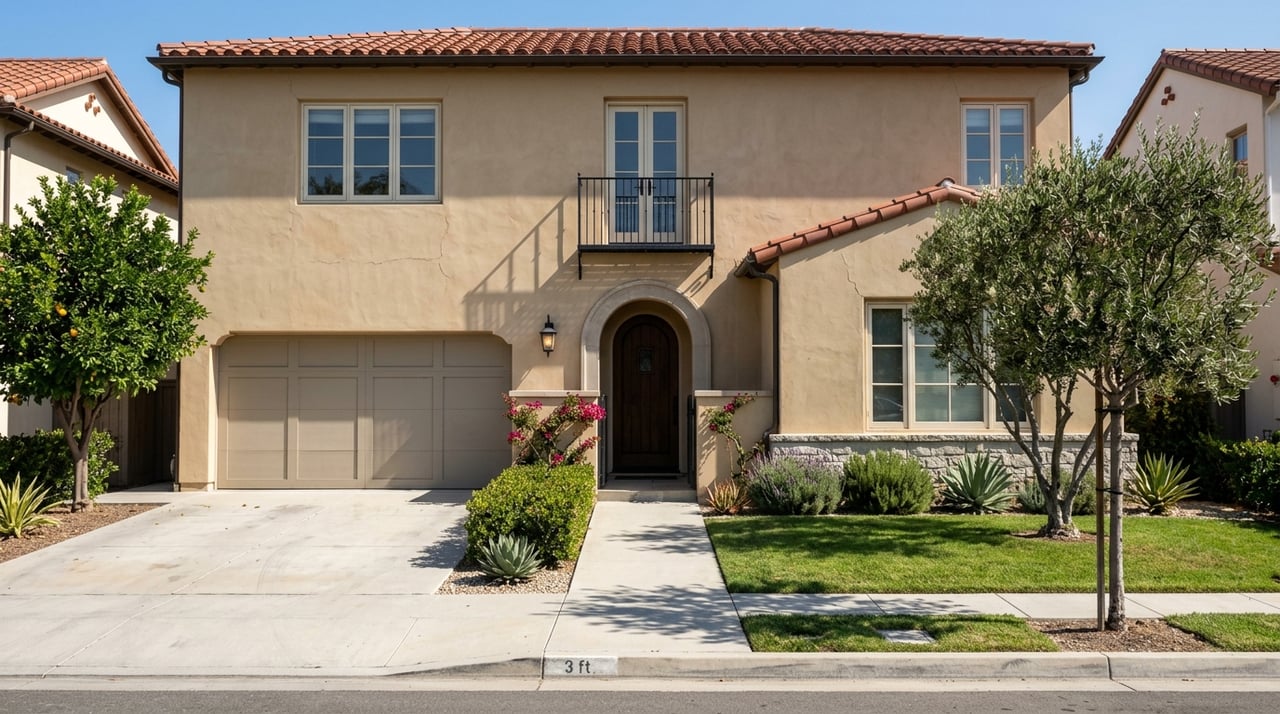
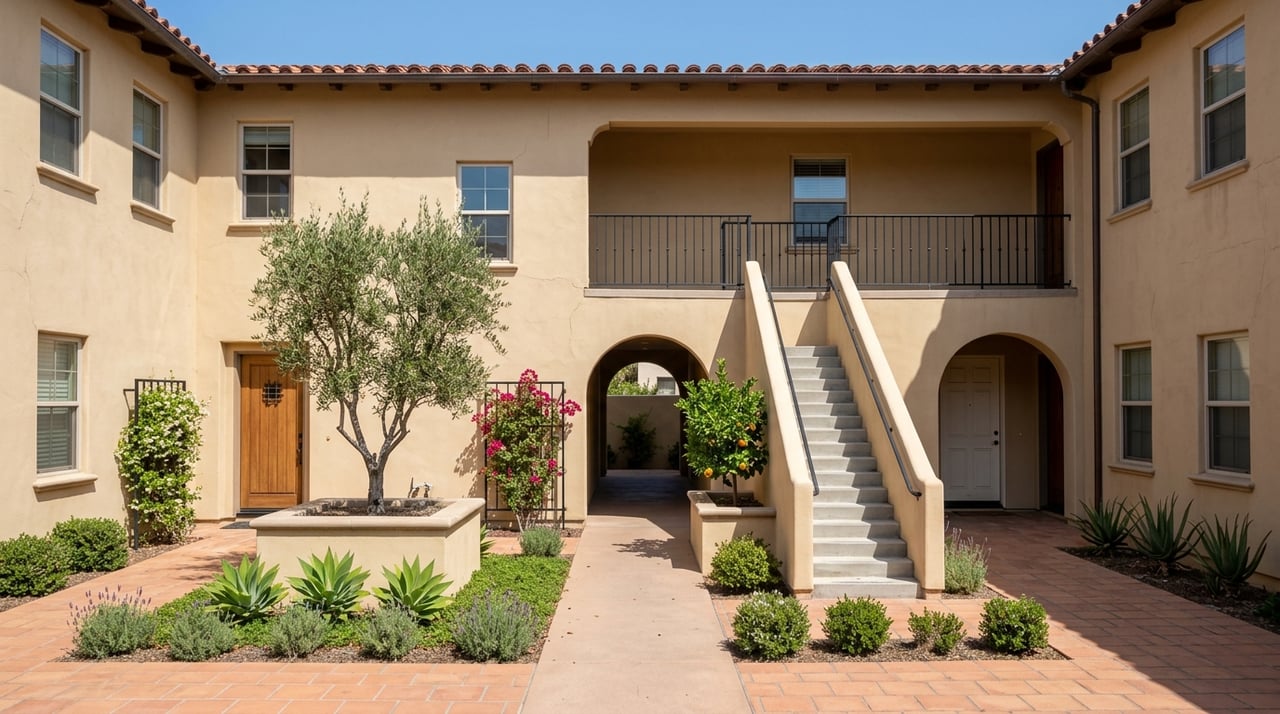
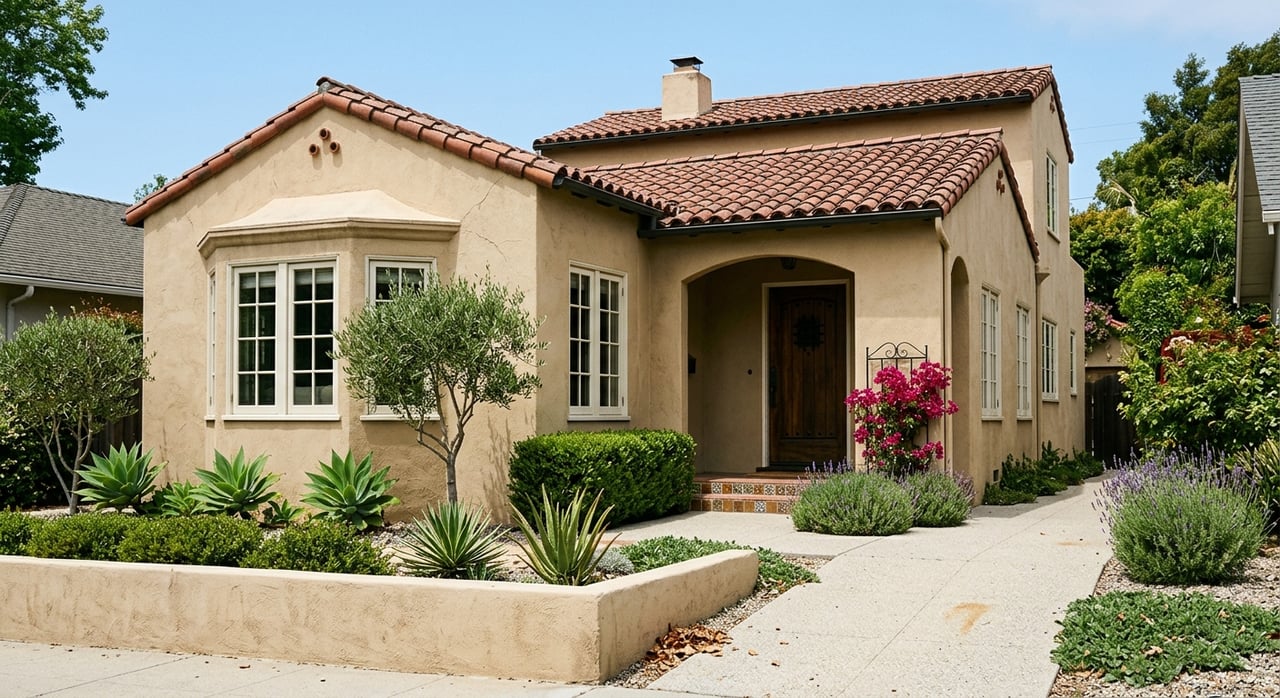
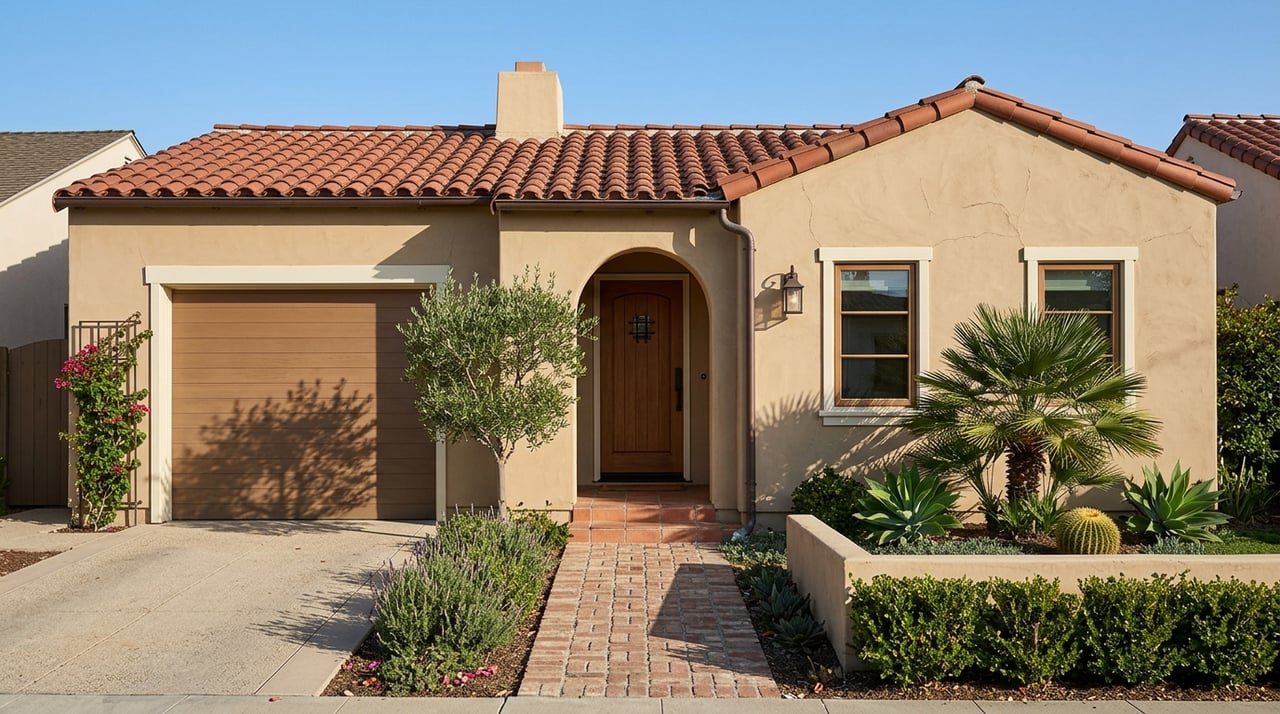
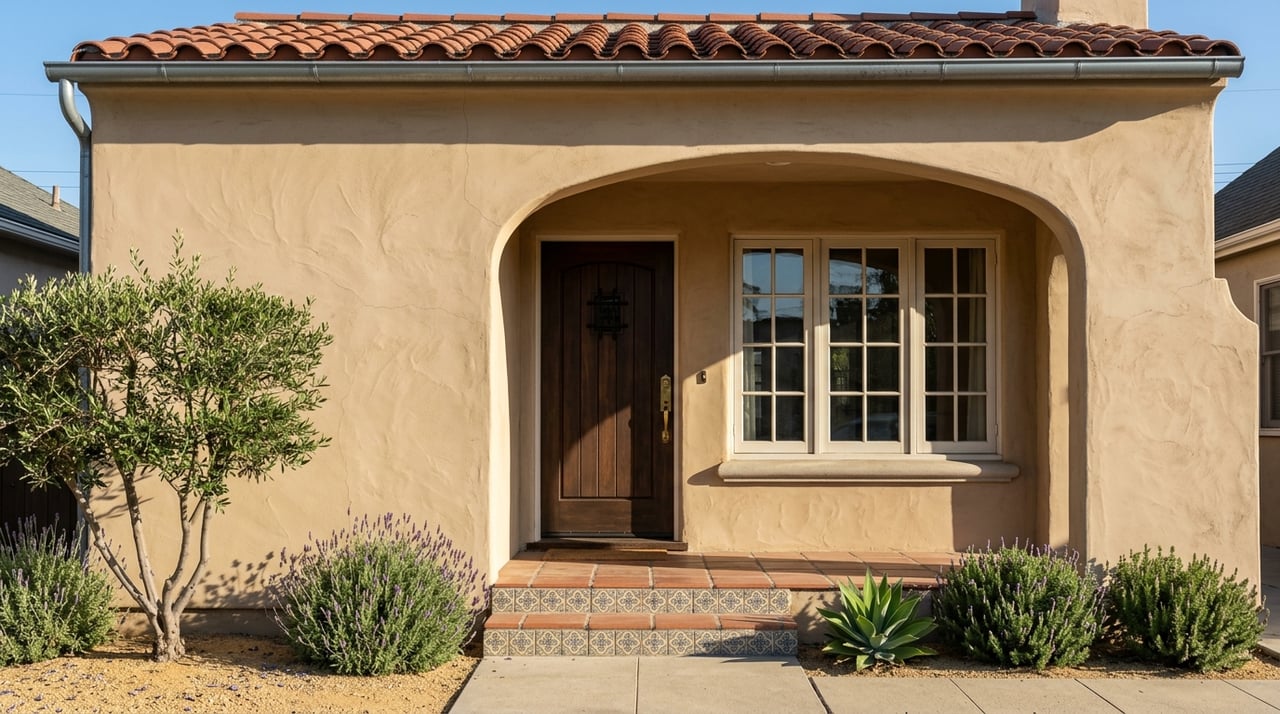
You will find strong examples of Spanish Colonial Revival, Tudor Revival, and French-inspired design here. The setting helps shape the experience too, with the kind of street pattern and visual consistency that makes a neighborhood feel cohesive without feeling staged.
Sparr Heights brings a slightly different mood. Glendale’s North Glendale historic context describes it as the first developed area in North Glendale to feature Period Revival homes, with many 1920s and 1930s buyers choosing Spanish Colonial Revival and Tudor Revival houses.
The same historic context notes mature street trees and consistent street lights. If your picture of character-home living includes morning walks, shaded streets, and homes that feel tied together by a shared design era, Sparr Heights fits that story well.
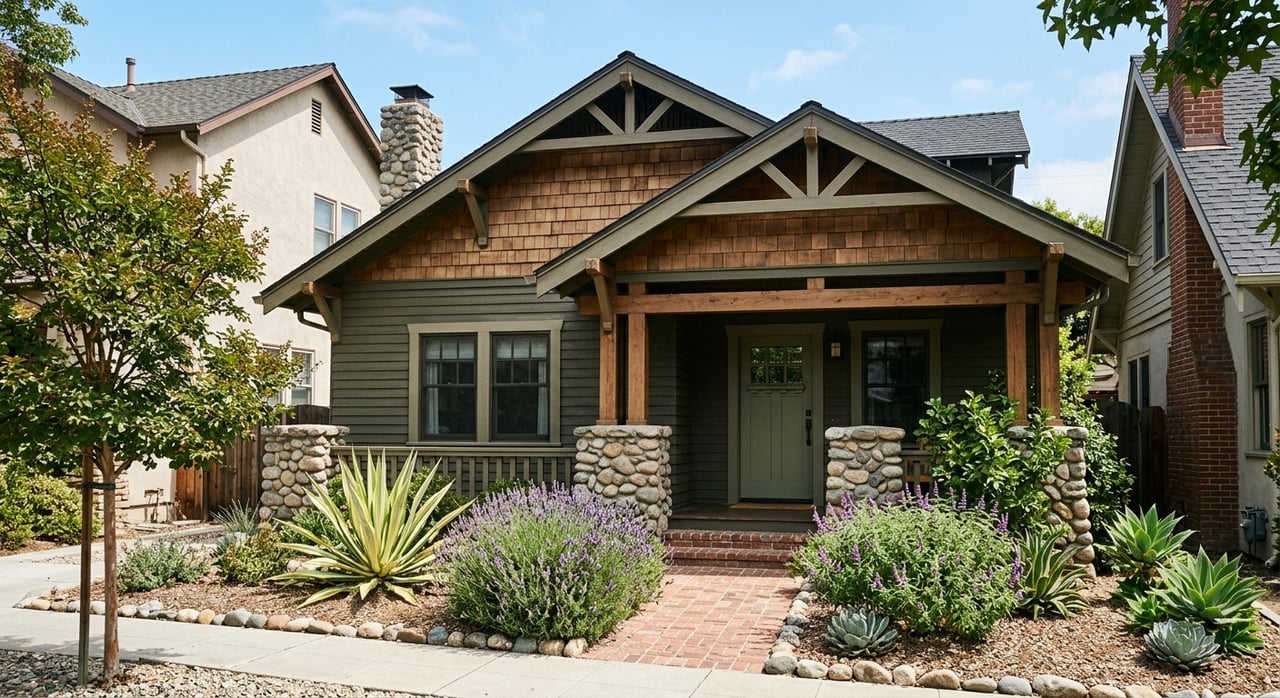
Adams Hill and Cottage Grove offer a smaller-scale, more tucked-away kind of character. The Cottage Grove Historic District includes 14 homes on one block at the foot of Adams Hill, designed to feel like an English village.
The district includes Tudor Revival cottages, a few Spanish Colonial Revival homes, and a 1901 farmhouse. Nearby, Adams Square Mini-Park adds green space in the center of the business district, giving this part of Glendale a neighborhood rhythm that feels personal and lived in.
Verdugo Woodlands, especially around Niodrara Drive, shows another side of Glendale’s character-home landscape. The Niodrara Drive district includes 32 single-family homes built between 1912 and 1962, with styles ranging from Period Revival to Ranch and Modern.
The City highlights its tree-filled landscape, stream, and rustic streetscape. Because it is in Pending Historic District status, it also reflects something important about Glendale: preservation here is active and evolving, not frozen in time.
A character home only becomes truly special when it supports your everyday routine. In Glendale, that routine often blends neighborhood calm with easy access to outdoor space, local markets, and regional connections.
Brand Park is a strong example of how Glendale ties culture and recreation together. This 31-acre park at the base of the Verdugo Mountains includes hiking and biking trails, picnic areas, a playground, and historic and cultural facilities such as Brand Library & Art Center, the Whispering Pine Teahouse, and the Doctors House.
If you want an even bigger foothill escape, Deukmejian Wilderness Park adds 709 acres of trails, streamside woodlands, and wide views across the Crescenta Valley and Los Angeles basin. Together, these spaces make it easy to imagine a weekend that begins on a porch and ends on a trail.
Not every outing has to feel like a mountain trip. The Glendale Narrows Riverwalk offers about a mile of recreational trail along the Los Angeles River, with parks, public art, and equestrian facilities.
That mix gives Glendale character-home living a practical balance. You can enjoy older residential streets and still have a more urban outdoor option close at hand.
Character-home living often comes with a certain pace, and Glendale’s local markets fit that well. The Glendale Farmers Market runs Thursdays from 9:30 a.m. to 1:30 p.m., the Glendale Artsakh Farmers Market runs Sundays from 9:00 a.m. to 2:00 p.m., and the Montrose Harvest Market runs Sundays from 8:00 a.m. to 1:00 p.m. year-round.
Those routines make it easy to picture a simple weekend plan. Coffee, a walk, produce for the week, and then home again to enjoy the house you chose for its warmth and character.
One of Glendale’s strengths is that character-home living does not mean giving up access. The city says Glendale is about nine miles north of downtown Los Angeles, which helps explain why it appeals to people who want neighborhood identity without feeling cut off from the region.
The Larry Zarian Transportation Center serves as an Amtrak and Metrolink rail station and as a central transportation hub used by Amtrak, Metrolink, Greyhound, Metro, and Beeline. Metro’s North Hollywood to Pasadena BRT project is also adding a 19-mile electric bus corridor that will connect Glendale with North Hollywood, Burbank, Eagle Rock, and Pasadena, with dedicated bus lanes planned on Glenoaks Boulevard, Central Avenue, and Broadway.
For buyers, that means you can look for architectural personality and still keep your day-to-day logistics in view. For sellers, it reinforces why Glendale continues to attract interest from people who value both charm and convenience.
Some buyers want more than style. They want context. Glendale makes that easier than many cities do.
The Glendale History Room holds books, photographs, pamphlets, maps, and periodicals related to Glendale’s history. The Montrose Library also maintains historic materials related to Montrose and the Crescenta Valley.
If you enjoy learning who built a home, how a neighborhood evolved, or what architectural details mean, Glendale gives you places to keep that curiosity going. That adds real depth to the ownership experience.
Owning a character home in Glendale comes with both benefits and responsibilities. The good news is that the city’s preservation system is built around the idea that historic neighborhoods can continue to change over time.
In Glendale’s historic districts, design review exists to protect neighborhood character while still allowing buildings to evolve. In those districts, the Historic Preservation Commission reviews projects instead of the Design Review Board.
For the pending Verdugo Woodlands district, the City says visible exterior work is subject to historic review, while interior and non-visible work are not. That distinction can be helpful if you are weighing updates, repairs, or future plans.
For properties on the Glendale Register, owner approval and City Council approval are required for listing. Once a property is listed, proposed alterations, repairs, and demolitions must be approved by the Community Development Department and or the Historic Preservation Commission.
That structure can sound formal, but it also reflects why so many owners value specialized guidance. Understanding the home’s status early can help you make better decisions whether you are buying, preparing to sell, or planning improvements.
Glendale notes that owners of listed properties may participate in the Mills Act program. The City’s handout says owner-occupied single-family residences may qualify, the contract term is at least 10 years, and participants may realize about 50% annual property-tax savings for newly improved or purchased older properties.
The same handout explains that Mills Act contracts bind successors in interest, which means the preservation commitment continues with the property. For many buyers and owners, that makes it especially important to understand both the opportunity and the long-term responsibility.
Glendale also has a Demolition Review Ordinance that applies to proposed demolitions of properties more than 30 years old when the demolition is not part of a larger development project. Even if a home is not formally landmarked, it may still exist within a city framework that pays close attention to older housing stock.
That is one reason local, preservation-aware advice matters in Glendale. The home’s architecture, location, and regulatory context can all shape value and decision-making.
Character homes ask different questions than standard homes. Buyers may need help understanding historic district review, pending district status, or the practical appeal of different architectural styles and streetscapes.
Sellers often need even more coordination. From pre-listing planning and vendor management to staging, photography, floor plans, and presentation, the process can benefit from a team that knows how to market architectural details and explain a home’s story clearly.
In a city like Glendale, that kind of work is not just cosmetic. It is part of protecting value, honoring the property’s place in the neighborhood, and helping the right buyer recognize what makes the home special.
Glendale character-home living is not just about old houses. It is about living in a city where neighborhood identity, preservation, outdoor access, and daily convenience all reinforce each other.
You might be drawn to a Spanish Colonial Revival in Rossmoyne, a Tudor in Sparr Heights, a cottage near Adams Hill, or a more eclectic home in Verdugo Woodlands. What ties them together is the setting around them: mature streets, civic pride, local parks, markets, and a culture that sees historic homes as part of everyday life.
If you are thinking about buying or selling a character home in Glendale, working with a team that understands both the emotional and practical side of these properties can make the process much smoother. If you want preservation-minded guidance, premium marketing, and local insight, connect with Chris Cragnotti.
Stay up to date on the latest real estate trends.
When you’re ready to make a move — we’re here to make it meaningful, seamless, and fully aligned with your goals. From first steps to final signatures, we’re by your side