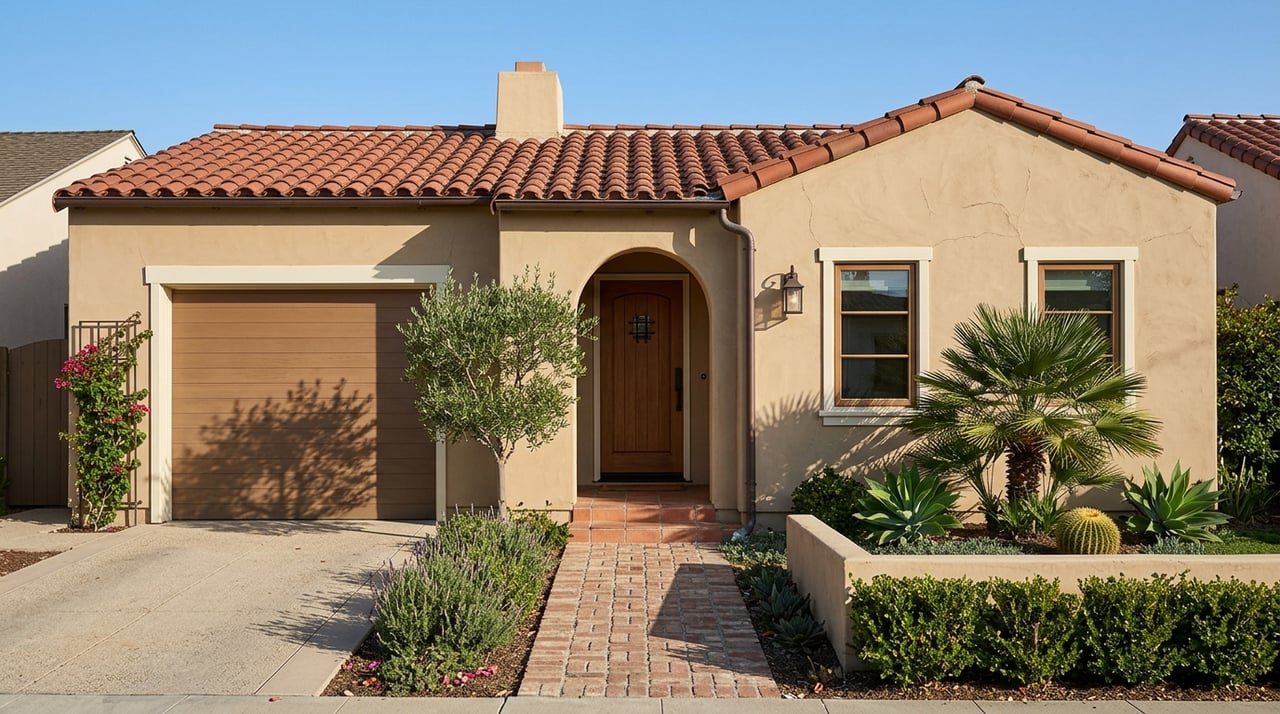
How To Price A Glendale Character Home Confidently
June 25, 2026
June 25, 2026
Wondering how to price a Glendale character home without leaving money on the table or scaring off serious buyers? That question matters even more when your home has original architecture, a distinct setting, and details that do not fit neatly into a standard pricing formula. If you own a Spanish Revival, Craftsman, Tudor, or another period home, you need a strategy that respects both the market and the home itself. Let’s dive in.
Glendale is active, but it is not one simple market. Recent three-month data ending May 2026 shows a citywide median sale price of $1,276,736, a median of 38 days on market, and an average of 6 offers per home. At the same time, the average home sold about 3% above list price, while hot homes sold about 9% above list.
That sounds strong, but citywide numbers only tell part of the story. Zillow’s May 31, 2026 home value index put the average Glendale home at $1,204,362, up 0.3% year over year, while Redfin reported the citywide median sale price down 2.9% year over year. In other words, the market is active, but pricing is not automatic.
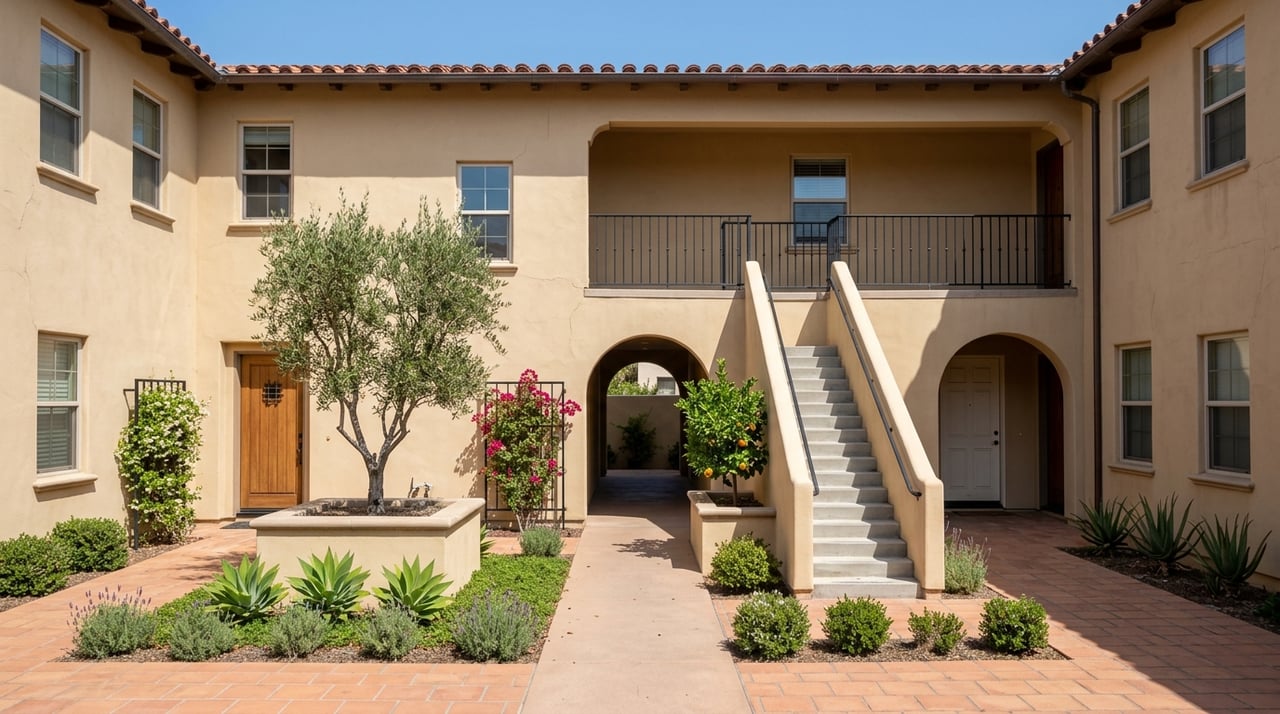
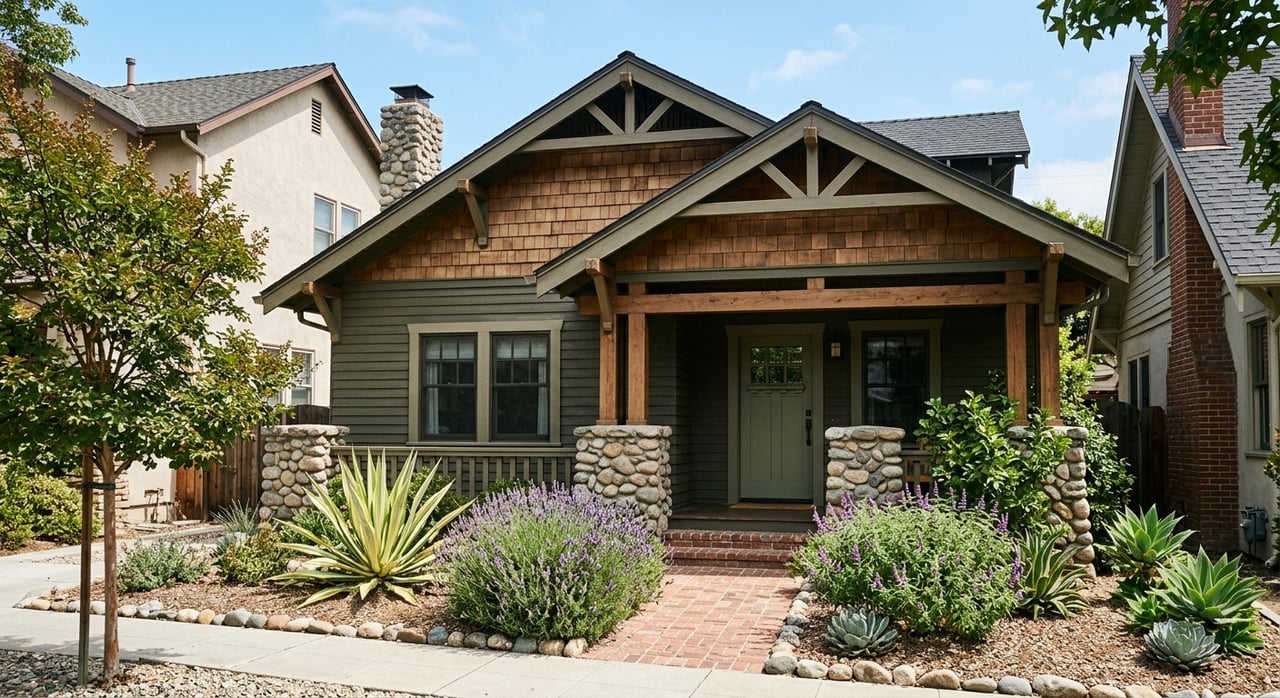
A Glendale character home should not usually be priced against newer homes with similar square footage and bedroom counts. The city’s historic inventory includes Craftsman, Spanish Colonial Revival, Tudor Revival, Monterey Revival, French Eclectic, and Modern homes. That architectural range creates very different buyer expectations from one property to the next.
Rossmoyne alone, Glendale’s largest historic district, includes 503 homes built largely between 1923 and 1950. A 1920s Spanish home in Rossmoyne or Glenoaks Canyon is part of a different value conversation than a newer property nearby. Buyers often respond to style, era, original details, and setting, not just bed and bath count.
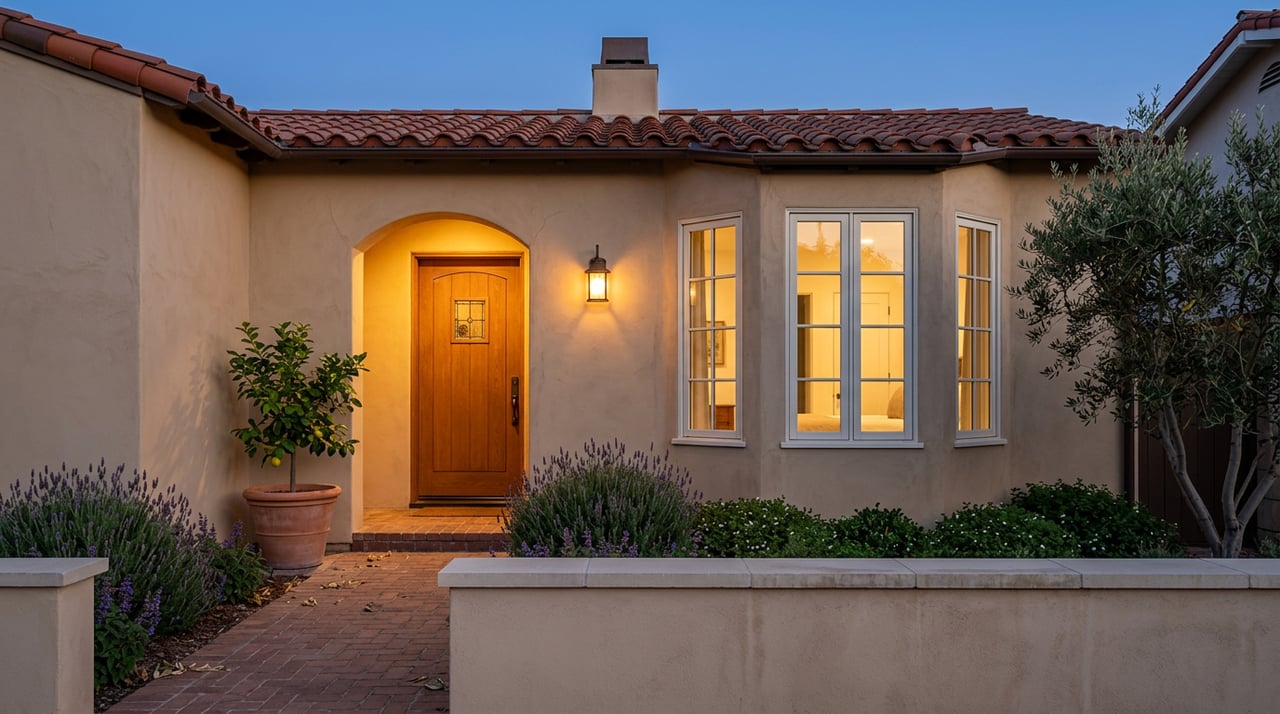
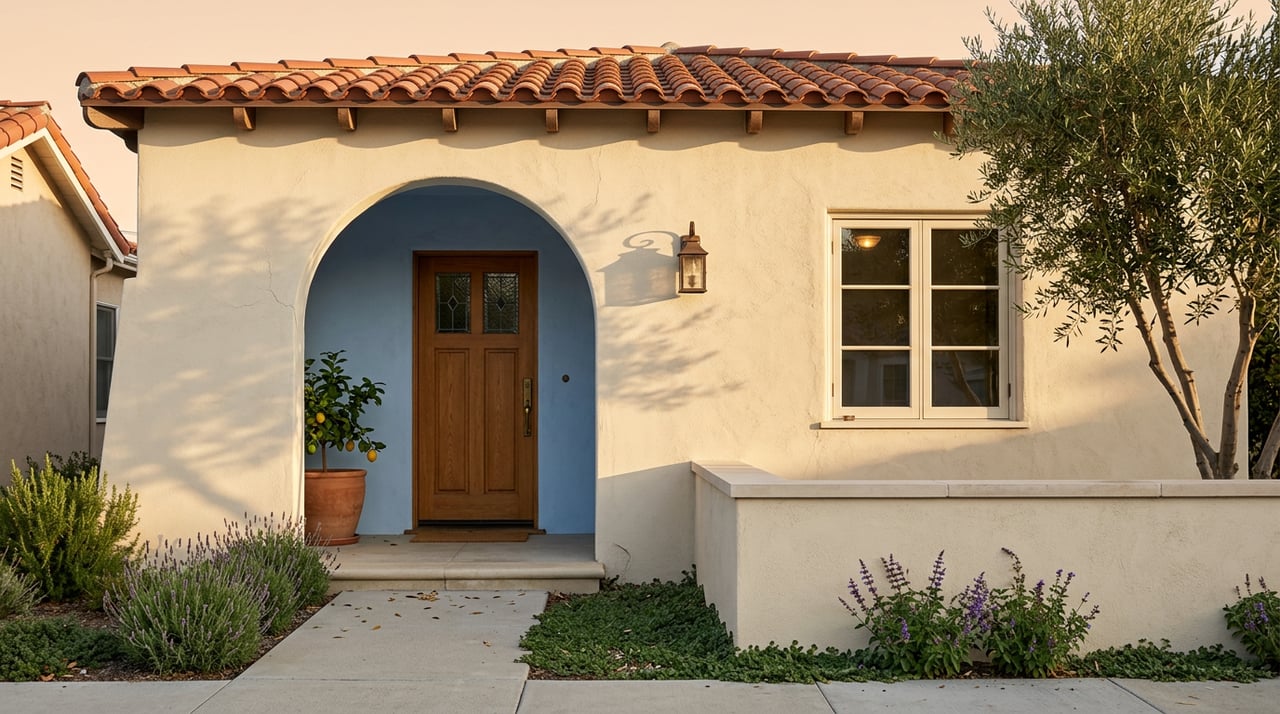
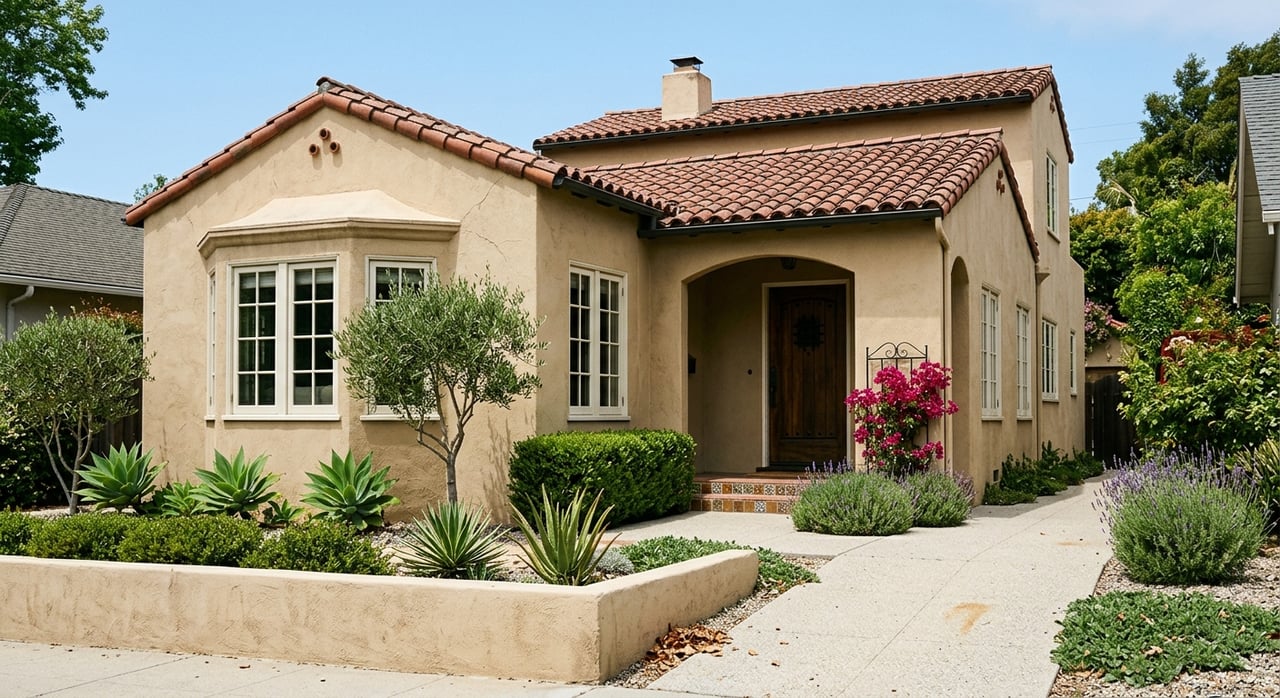
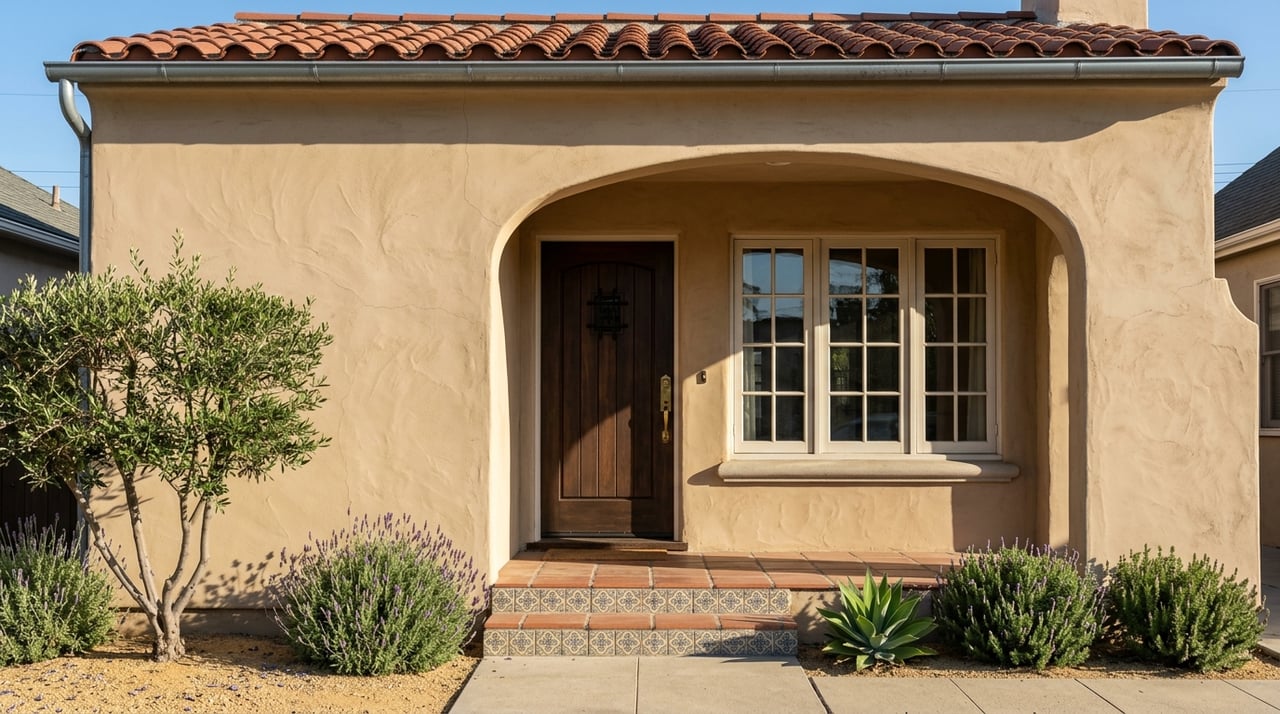
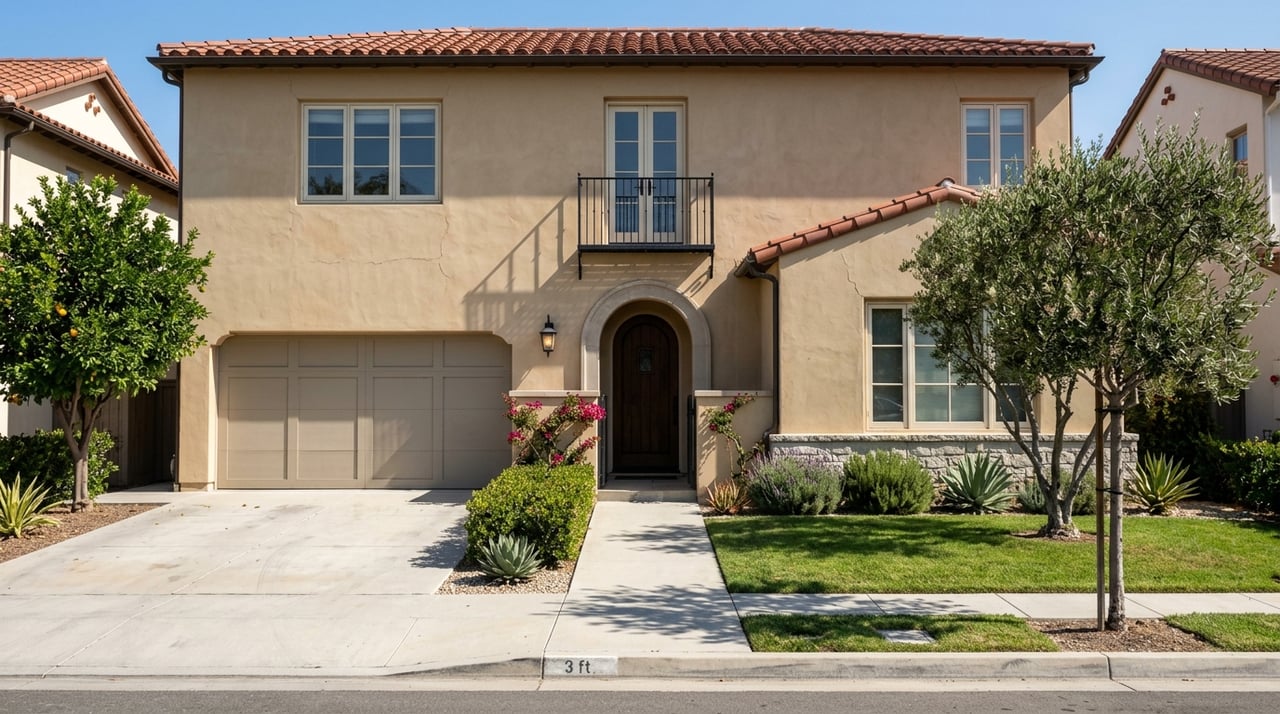
If your home has plaster walls, arched openings, wood casement windows, decorative tile, or a clay tile roof, those features may attract a buyer looking for authenticity. That buyer is often comparing your home to other period properties, not to a newer remodeled house down the street. Pricing should reflect that reality.
The strongest starting point is usually the same-style, same-era sold comp set in the same micro-neighborhood. That means your address is only one part of the value story. Your architecture, block, setting, and preservation context matter too.
In Glendale, zip code differences can be substantial. Recent data shows 91207 with a median sale price of $1,899,436 and homes averaging about 1% above list, with a 42-day median time on market. In 91206, the median sale price was $912,229, with homes averaging around list and a 35-day median time on market.
That spread is exactly why broad pricing rules can miss the mark. A character home in Upper Rossmoyne may draw a different buyer pool and pricing response than a similar-size home elsewhere in the city. Even within the same zip code, street character and architectural consistency can shape demand.
For character properties, micro-neighborhood matters more than many sellers expect. A home tucked into Rossmoyne, Glenoaks Canyon, Adams Hill, or another established pocket may compete within a very specific set of buyer expectations. That is why disciplined pricing starts close to home, not across town.
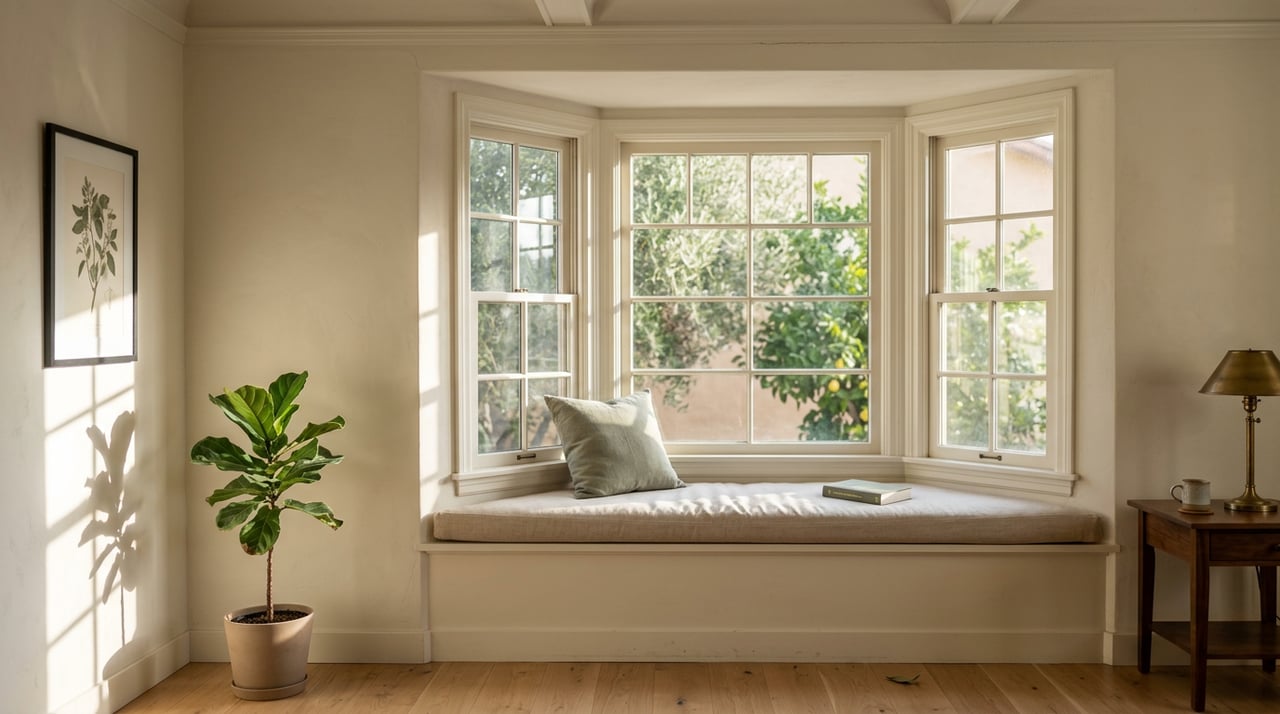
Character can support value, but it does not erase condition issues. Buyers may pay more for original leaded glass, beamed ceilings, arches, plasterwork, fireplaces, balconies, or vintage tile. Still, they may also price in older systems, deferred maintenance, or incomplete updates.
The key is to separate the character premium from the condition discount. A beautiful period home with strong presentation and updated livability may justify a stronger list price. A similar home with uncertain maintenance or permit questions may need a more conservative strategy.
Several recent Glendale sales help illustrate how pricing can behave.
These examples do not create a universal rule, but they do show something important. Buyers respond to character, condition, and presentation together.
Before you settle on a list price, confirm whether your home is on the Glendale Register of Historic Resources or located within a historic district. The City of Glendale states that once a property is on the Glendale Register, proposed alterations, repairs, and demolitions must be approved. In historic districts, work is reviewed by the Historic Preservation Commission instead of the Design Review Board.
That matters because preservation status can shape buyer expectations. Some buyers value the long-term stewardship framework and authenticity. Others may focus more on the approval process for future changes.
Glendale also notes that its register is not a complete list of historic properties. A home can still have real architectural and market appeal even if it is not formally listed. That is another reason pricing should be based on actual market evidence and home-specific details, not on one label alone.
If your home has a Mills Act contract, bring that into the pricing discussion early. The California Office of Historic Preservation describes the Mills Act as a local government tax-abatement contract under state law with an initial 10-year term and automatic annual extensions. Glendale notes that eligible listed properties can participate in the city’s Mills Act program, and that the contract stays with the property when ownership changes.
For some buyers, that long-term framework can be a meaningful part of the value equation. For others, the ongoing obligations may require more explanation. Either way, Mills Act status should be treated as a value variable, not a simple premium.
The best pricing strategy for a Glendale character home is not the highest number you can imagine. It is the number that fits the right local comps, the home’s condition, the preservation context, and current buyer behavior. That kind of pricing gives you a better chance to attract qualified interest quickly and create real momentum.
Overpricing can flatten early activity, even in a market where many homes still receive multiple offers. Underpricing without a clear plan can also create unnecessary risk. Confidence comes from careful preparation, not guesswork.
A thoughtful pricing plan for a Glendale character home should usually include:
Character homes often earn stronger attention when buyers can clearly see what makes them special. Original windows, tilework, fireplaces, arches, woodwork, and mature setting all need to be presented with care. If the home also has updated systems, refreshed interiors, or a well-resolved floor plan, that story should be easy for buyers to understand.
That is where strong listing execution matters. Professional photography, video, drone imagery, floor plans, staging, pre-listing inspections, and vendor coordination can help support the value story before the home ever hits the market. For a property that does not fit a cookie-cutter mold, presentation is part of pricing strategy.
If you are pricing a Glendale character home, use citywide numbers as a reality check, not as your final answer. The real work happens at the neighborhood, street, style, and condition level. That is especially true in a city where a period home’s architecture and preservation context can change buyer response quickly.
A confident list price comes from understanding what your home is, who it is likely to attract, and how recent similar sales have performed. When you price with that level of discipline, you protect both your market position and your home’s story.
If you want a pricing strategy built around Glendale character homes, preservation context, and meticulous presentation, reach out to Chris Cragnotti.
Stay up to date on the latest real estate trends.
When you’re ready to make a move — we’re here to make it meaningful, seamless, and fully aligned with your goals. From first steps to final signatures, we’re by your side