Glendale Character Home Features Buyers Should Evaluate
June 18, 2026
June 18, 2026
Shopping for a Glendale character home can feel equal parts exciting and intimidating. You may fall for the original windows, built-ins, or red tile roof, then wonder what those details really mean for upkeep, future updates, and resale. If you want to buy with confidence, it helps to know which original features matter most and what questions to ask before you commit. Let’s dive in.
In Glendale, original features are not just aesthetic details. They can affect how a home lives today and how easily you can make changes later. That is especially true if the property is on the Glendale Register of Historic Resources or located in one of the city’s historic districts.
Glendale’s preservation framework includes the Register, local historic districts, a Historic Preservation Commission, and Mills Act incentives. The city notes that the Register includes more than 100 properties, but it is not a complete list of historic homes. That means a house can have real character and preservation value even if it is not formally designated.
It is also important to know that a historic-looking house is not automatically designated, and a designated house is not automatically frozen in place. Glendale reviews proposed work on registered properties and district properties through its preservation process, with district work reviewed by the Historic Preservation Commission. The city’s stated goal is to protect historic character, not prevent thoughtful change.
Before you focus on windows, tile, or woodwork, confirm what kind of property you are buying. This one step can shape your renovation options, approval process, and long-term responsibilities.
Ask whether the home is:
This matters because review rules can differ depending on the property’s status. It also matters for Mills Act questions, since owner-occupied single-family residences may qualify, contracts last at least ten years, and those contracts transfer to a new owner when the home is sold.
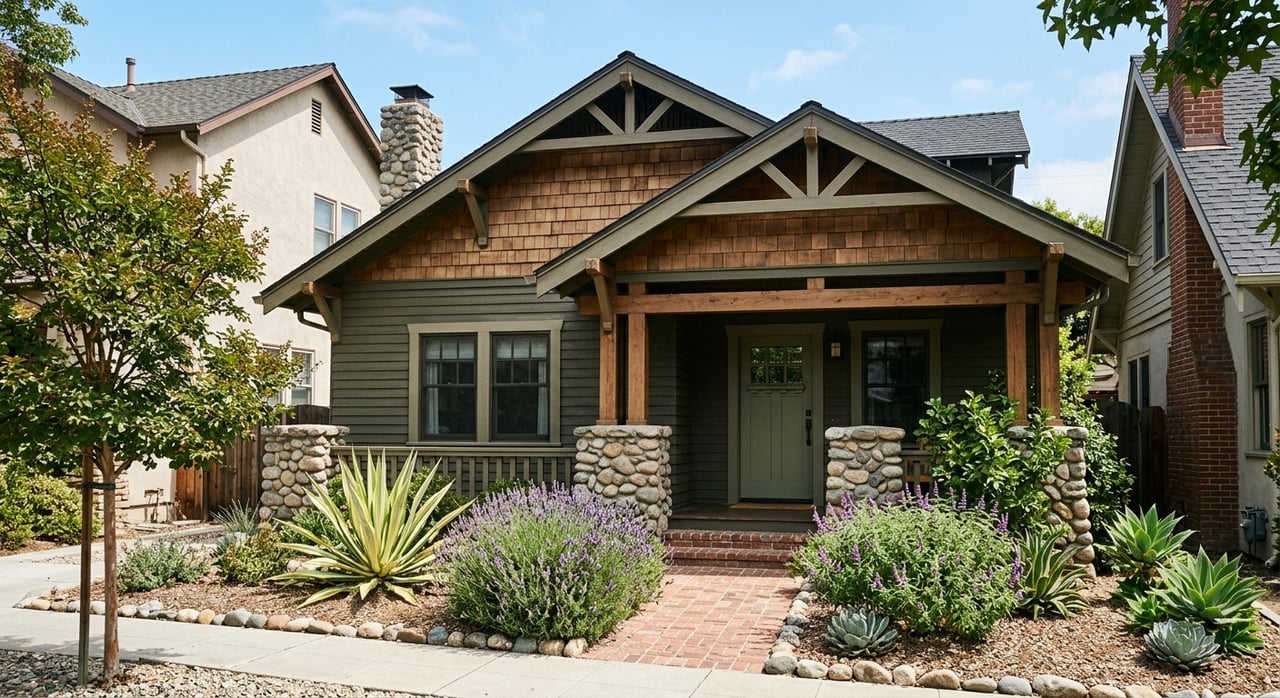
Glendale’s character homes span several architectural styles. The city’s historic resources include Craftsman, Spanish Colonial Revival, Tudor Revival, Mediterranean Revival, Colonial Revival, Monterey Revival, French Eclectic, and later Modern examples.
Craftsman homes were especially common from about 1900 into the mid-1920s. After World War I, Revival styles became more dominant. In practice, that means the original features worth evaluating will vary by house, but certain details tend to stand out again and again.
Windows and doors are among the most visible features on a character home. Glendale’s design guidelines emphasize preserving historic windows and doors whenever possible, and they favor repair over replacement.
For many historic homes, original windows may be wood or steel sash. If replacement becomes necessary, Glendale’s guidelines say the new units should match the original type, profile, and material as closely as possible. Vinyl or aluminum windows are generally not considered appropriate on primary facades of most historic buildings.
As you tour the home, pay attention to how the windows and doors actually function. Open and close what you can, and look closely at visible details.
Ask yourself:
A lot of buyers worry that original windows automatically mean poor efficiency. The guidance in the research says that energy performance alone is not a reason to replace historic windows.
In many cases, comfort can be improved with lower-impact steps such as weatherstripping, storm windows, window coverings, low-e film, and general weatherization. If you love the look of original windows, ask what can be repaired or upgraded before assuming a full replacement is necessary.
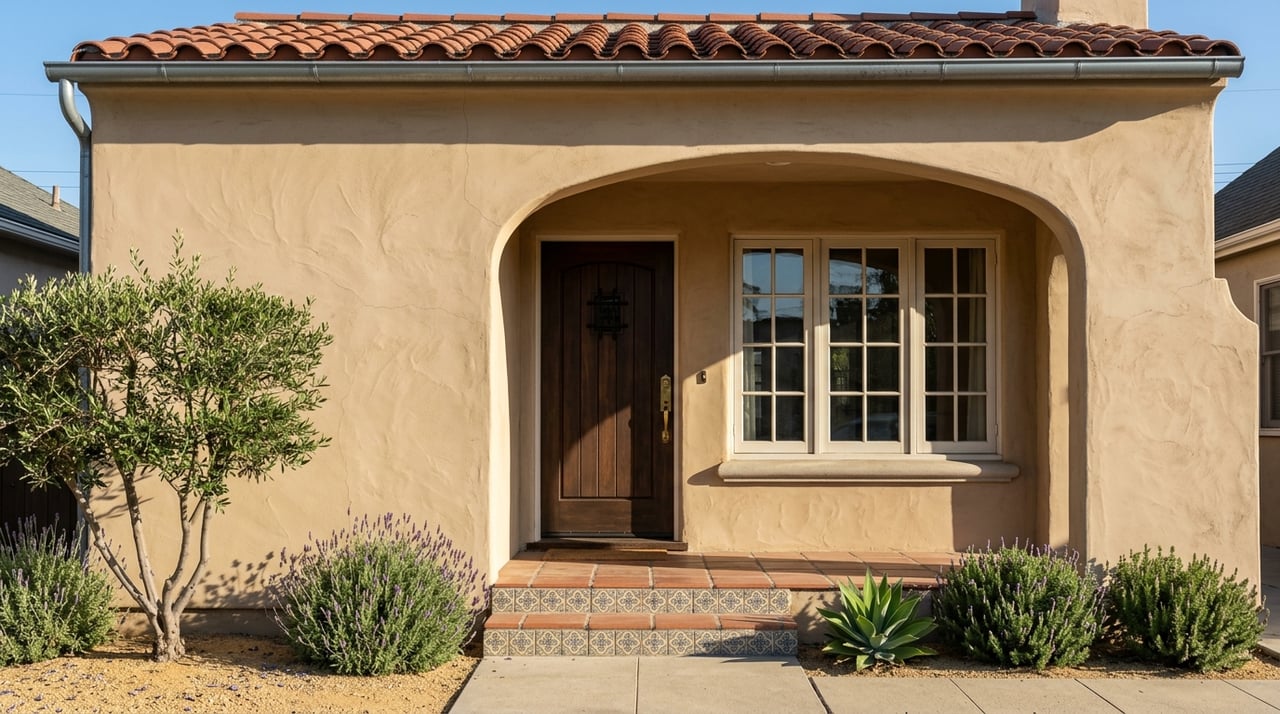
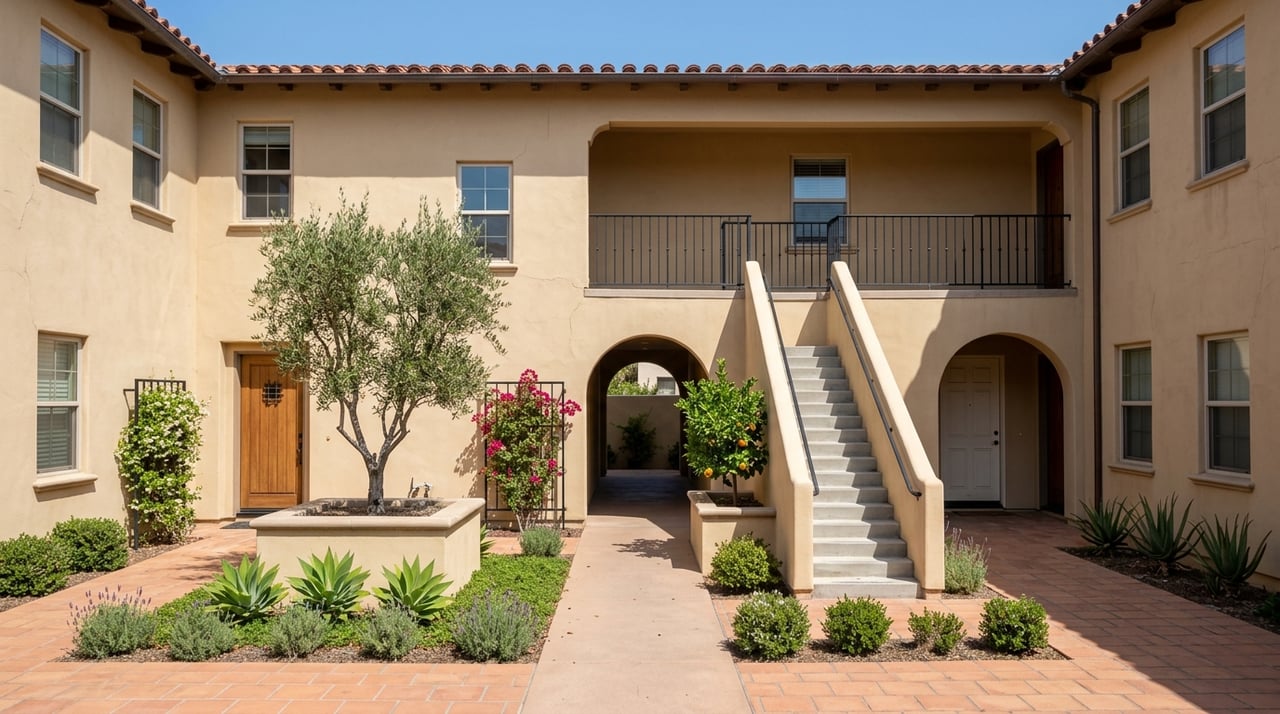
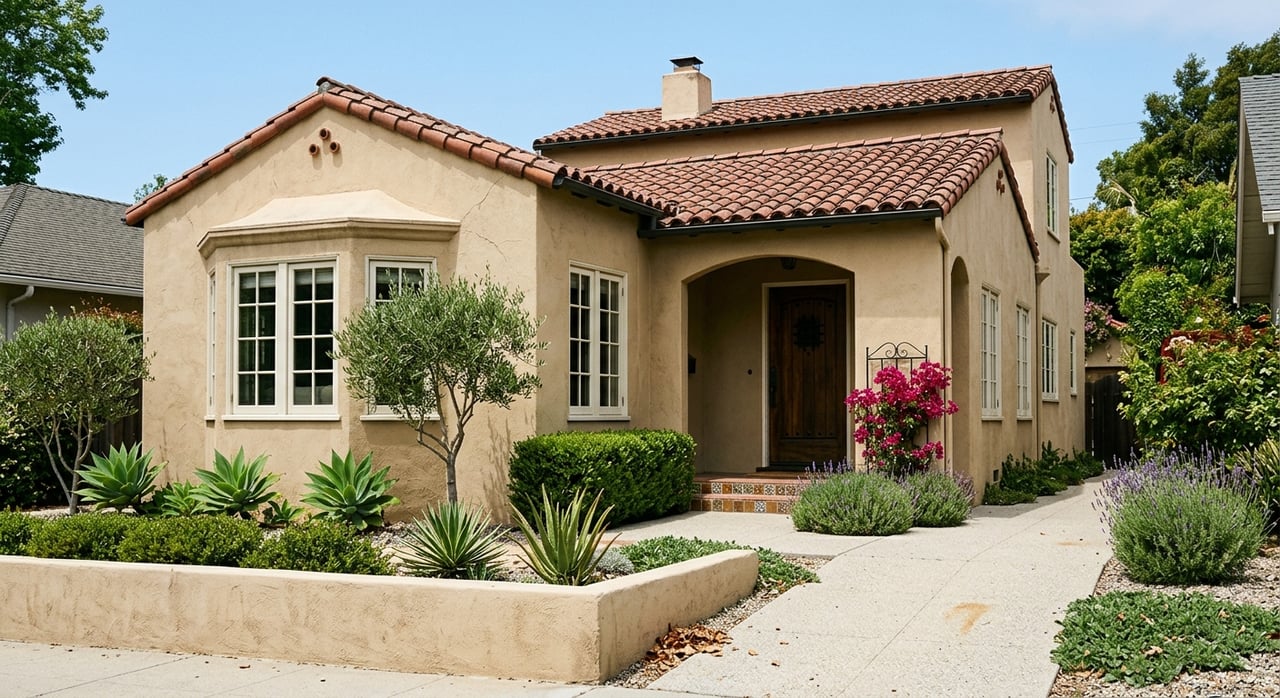
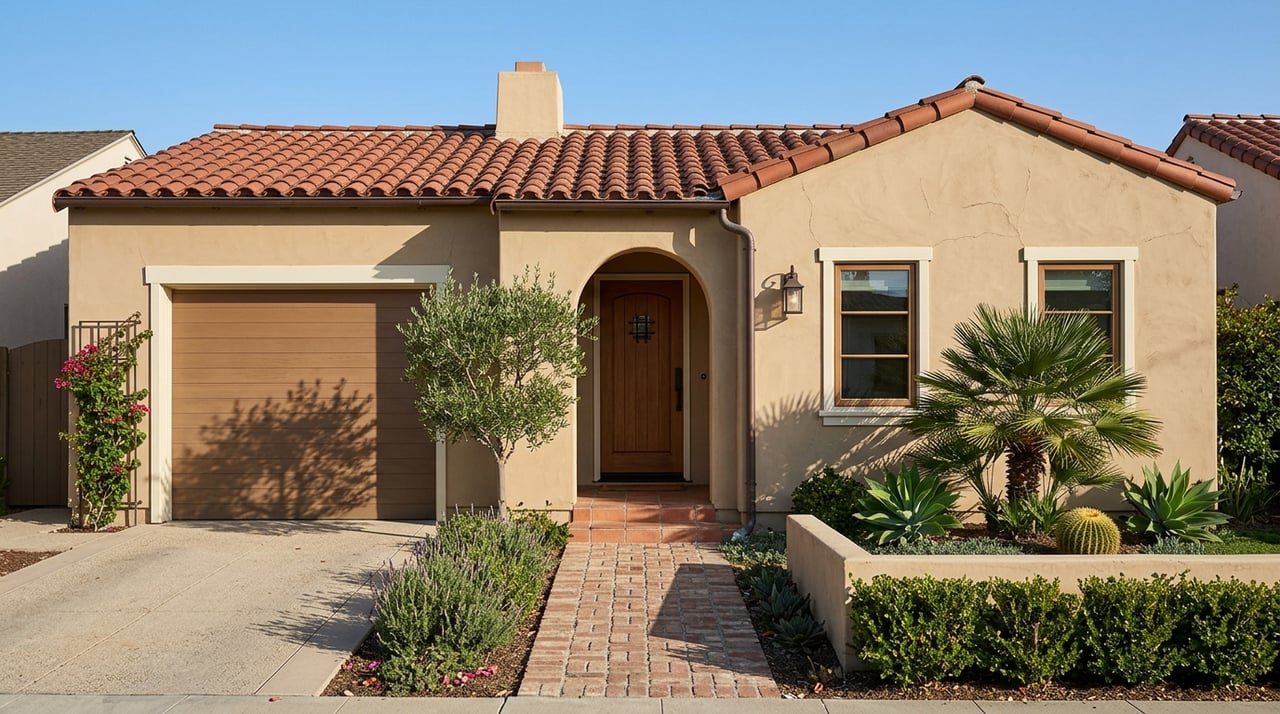
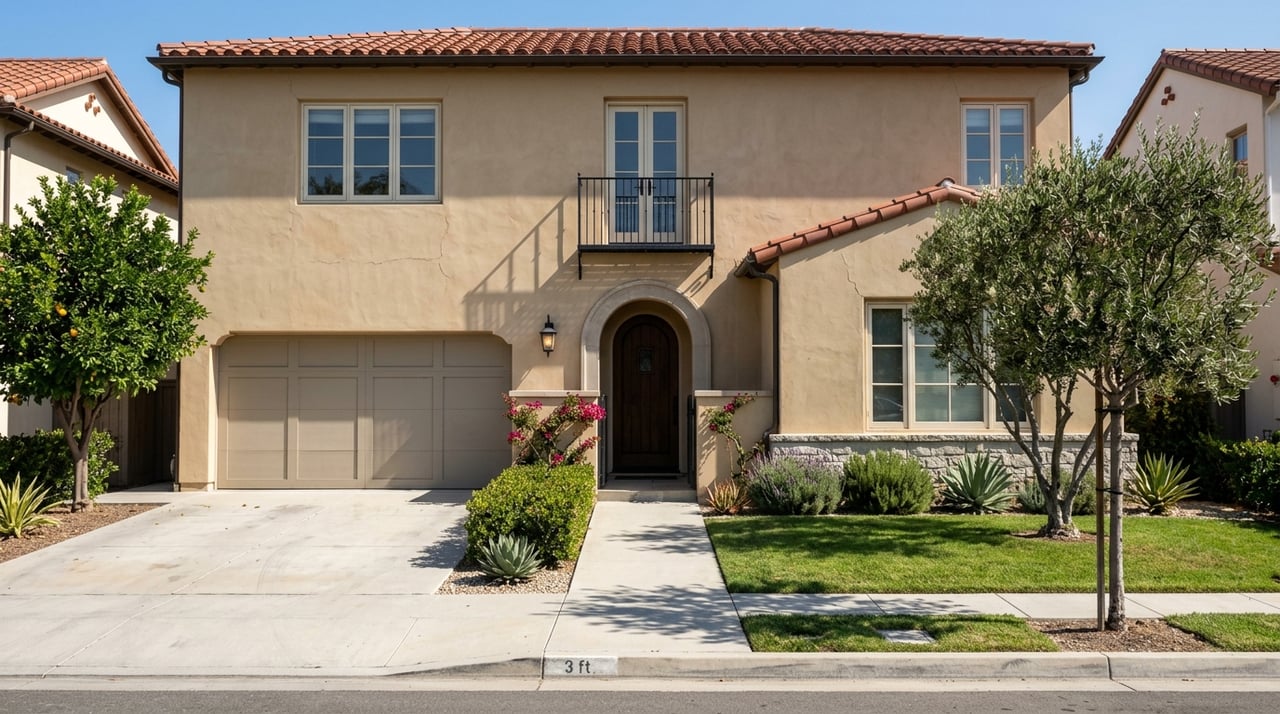
In Glendale, rooflines often help define a home’s entire look. On Spanish Colonial Revival and Mission Revival homes in particular, red clay tile roofs are a major part of the property’s character.
Glendale’s guidelines say the historic roof form, eave depth, and tile material should be preserved. They also support preserving tile in place or replacing it in kind when needed. That means the roof is not just about whether it leaks. It is also about whether its visible materials and shape still reflect the home’s original design.
A clay tile roof can last a long time, but it still needs attention. The National Park Service notes that clay tile roofs can have a life expectancy of about 100 years, though regular inspection of both the roof covering and the roof structure is still important.
Ask for details on:
If the roof looks beautiful from the street, that is a great start. But you still want a clear picture of what is cosmetic, what is original, and what may need near-term work.
Built-ins often become the emotional center of a character home. A dining room hutch, a living room mantle, or original trim can shape how the house feels and how rooms connect to one another.
According to National Park Service guidance on historic interiors, important elements may include the floor plan, room sequence, millwork, trim, mantels, flooring, hardware, and light fixtures. These details are not just decorative. They can help define how the space functions and how much of the home’s original story is still visible.
When you see original cabinetry or millwork, ask more than one question. You want to know not only whether it is old, but whether it still contributes to the house in a meaningful way.
A useful checklist includes:
Some past changes may be minor. Others may have removed a feature that once anchored the room. A good inspector can often help translate that into plain language so you can tell the difference between repairable wear and more substantial alteration.
Vintage tile can be one of the most charming parts of a Glendale character home. It can also be one of the easiest details to overlook until you notice missing trim pieces, patchwork repairs, or paint where it should not be.
Glendale’s guidelines say decorative tiles should be preserved and maintained, and they should remain unpainted. National Park Service guidance also treats tile floors and similar finishes as potentially character-defining, with replacement matching the old material in composition, design, color, and texture when repair is no longer possible.
You do not need to be a preservation expert to evaluate tile well. Start by looking for consistency, condition, and how the tile reads in the room.
Pay attention to:
Perfection is not always the goal. In many cases, the better question is whether the tile still feels like part of the home’s original design and craftsmanship.
When you buy a Glendale character home, your best protection is not just a general inspection. It is asking focused questions about original materials, past work, and future flexibility.
Here are some of the most useful questions to bring to your agent or inspector:
These questions can help you move past surface charm and understand the home more clearly. They can also help you budget for repairs, prioritize upgrades, and avoid surprises after closing.
The smartest approach to a character home is usually not all-or-nothing. You do not need to preserve every old item at any cost, and you do not need to modernize away the details that made you love the house in the first place.
A more useful framework is to ask two separate questions: what is original, and what is worth keeping? Glendale’s guidance makes room for change, while preservation standards emphasize retaining distinctive materials, finishes, and spaces when repair is feasible.
That often leads to a practical middle ground. Preserve what is visible and defining, repair what is salvageable, and use compatible upgrades where comfort or function truly requires them. For many Glendale buyers, that is the approach that keeps a home authentic while making it enjoyable to live in for years to come.
If you are considering a character home in Glendale, it helps to work with someone who understands not just the market, but the details that make these properties special. For thoughtful guidance on original features, preservation questions, and what to watch for before you buy, reach out to Chris Cragnotti.
Stay up to date on the latest real estate trends.
When you’re ready to make a move — we’re here to make it meaningful, seamless, and fully aligned with your goals. From first steps to final signatures, we’re by your side