A Guide to Relocating to Glendale’s Character Areas
May 21, 2026
May 21, 2026
Thinking about relocating to Glendale and hoping to find a neighborhood with real architectural personality? You are not alone. Many buyers are drawn to Glendale because it offers a rare mix of character homes, neighborhood-scale living, and easy access to major job centers across Los Angeles. If you want to understand where that charm shows up and what to watch for as you search, this guide will help you get oriented. Let’s dive in.
Glendale gives you something that can be hard to find in greater Los Angeles: distinct character-home pockets within a highly connected city. The city sits near Downtown Los Angeles, Pasadena, Burbank, Hollywood, and Universal City, with access to I-5, SR-2, SR-134, and I-210.
That means you can shop for a more residential, neighborhood-scaled setting without feeling cut off from the wider region. For many relocating buyers, that balance is a big part of Glendale’s appeal.
Glendale also is not a one-note market. Instead of one dominant housing style or one “best” neighborhood, you will find several different character-home submarkets, each with its own rhythm, street pattern, and architectural feel.
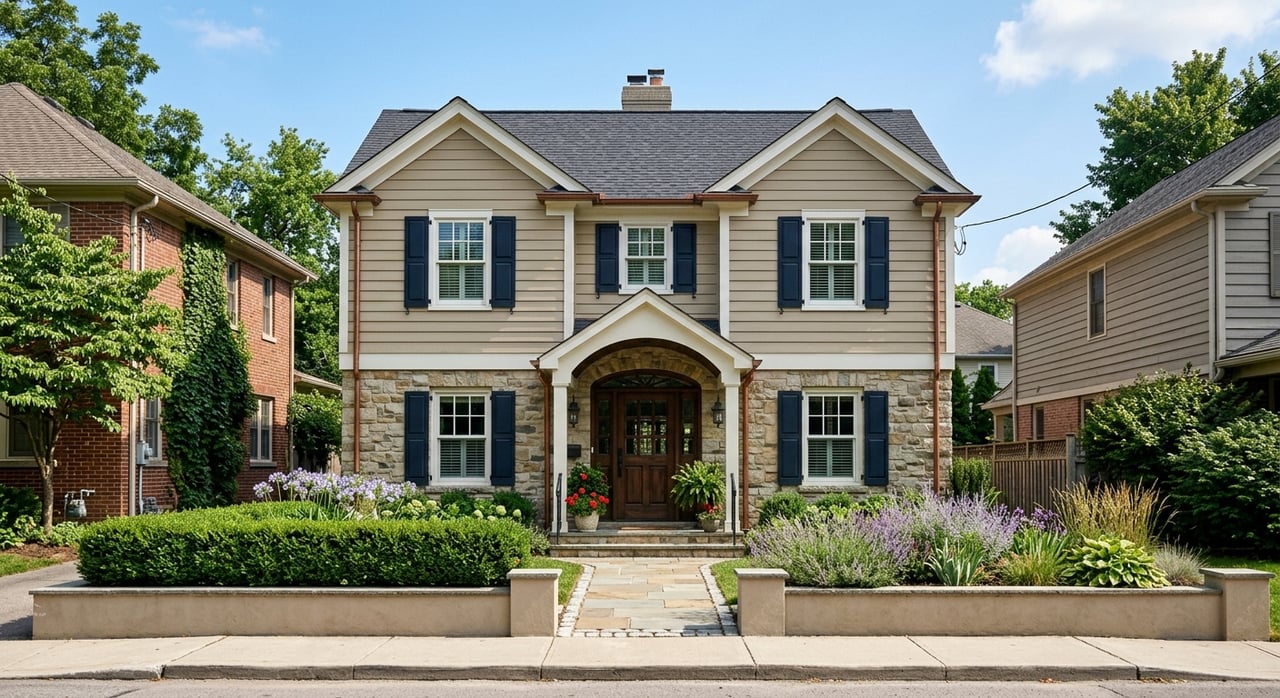
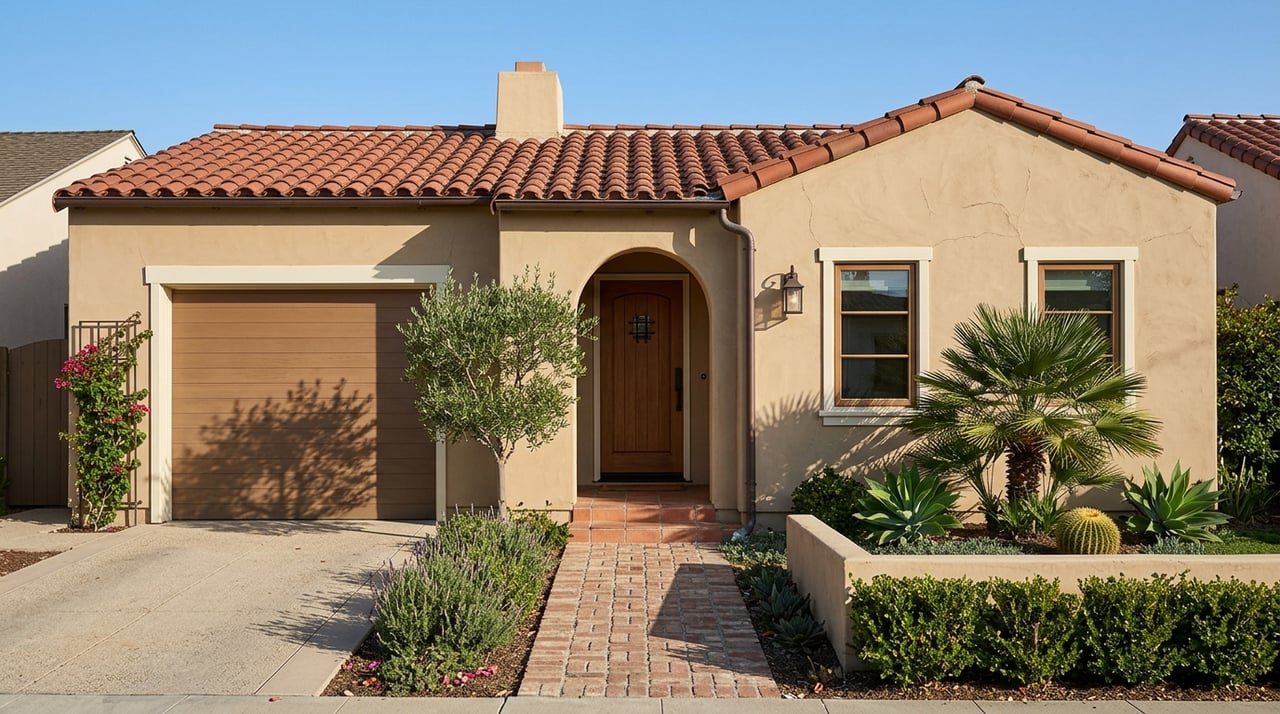
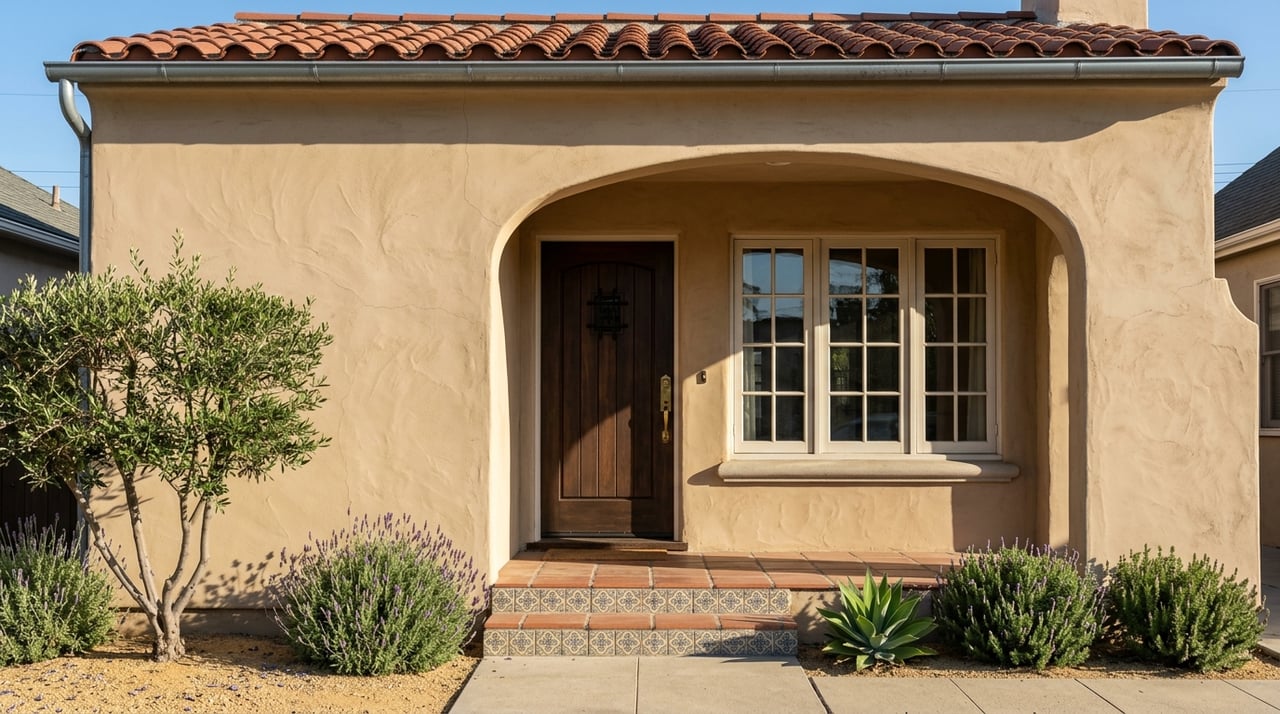
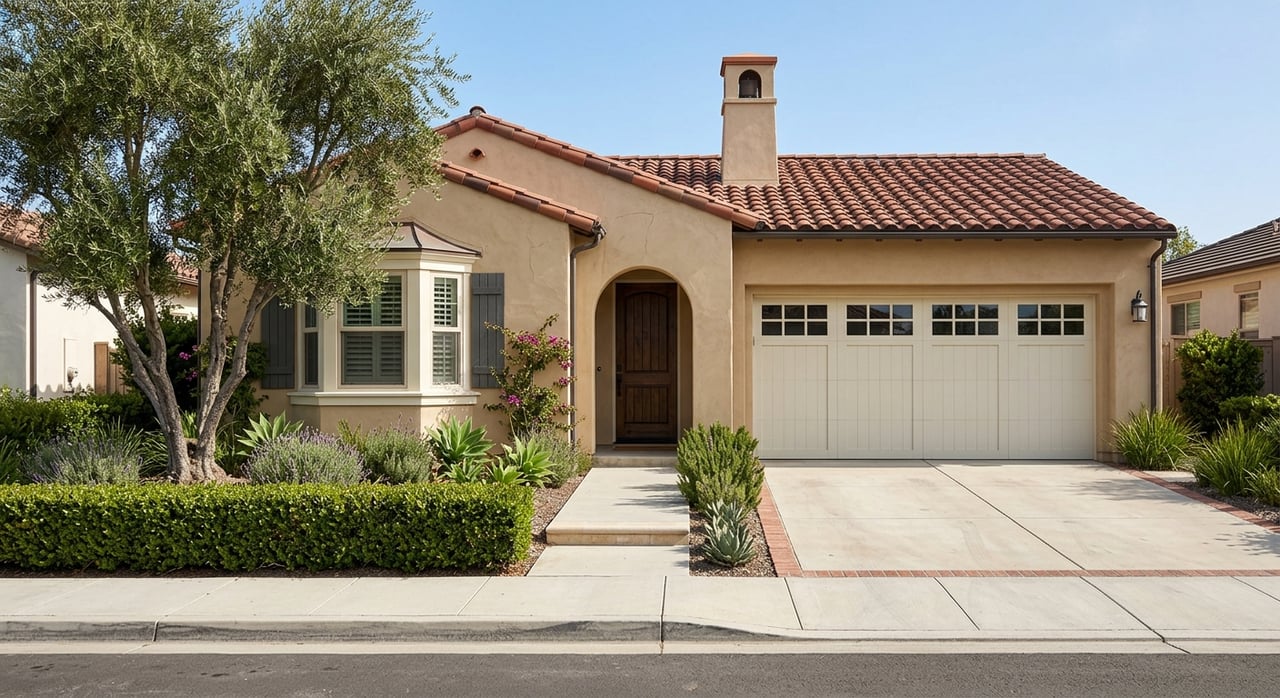
If you picture Glendale through the lens of classic Period Revival architecture, Rossmoyne will likely be one of the first places you want to explore. It is Glendale’s largest historic district, with 503 homes on gently curving streets and a strong concentration of Spanish Colonial Revival, Tudor Revival, and French-inspired Period Revival homes.
The district began developing in 1923 and was largely built out by 1950. That long buildout helps create a neighborhood that feels cohesive while still offering variety from one home to the next.
Rossmoyne also includes Nibley Park, which adds open space to the neighborhood fabric. For buyers who want a strong sense of place and architecture that feels rooted in Glendale’s foothill-era development, this area often becomes a key stop.
Just nearby, North Cumberland Heights and Ard Eevin Highlands continue that same story in slightly different ways. North Cumberland Heights includes 179 single-family homes with Period Revival, Minimal Traditional, and Ranch styles, while Ard Eevin Highlands includes 87 homes built mostly between the 1920s and 1940s.
Verdugo Woodlands often feels more layered than a master-planned district. That is part of its appeal. The area reflects a longer development timeline, which can make one street feel different from the next.
The city’s current notice shows part of Verdugo Woodlands in a pending historic-district process. Within this broader area, the Niodrara Drive district includes 32 single-family homes developed from 1912 to 1962, with styles ranging from Period Revival to Ranch and Modern.
If you like neighborhoods that feel established but less uniform, Verdugo Woodlands may stand out. It offers the kind of street-to-street variation that can reward a more careful, local search.
On Glendale’s south edge, Adams Hill brings a different kind of character. It borders the City of Los Angeles and traces back to a 1924 tract known as Acacia Hills, with homebuilding continuing into the late 1940s and 1950s.
That timeline gives Adams Hill a more urban-edge feel than some of Glendale’s foothill districts. It can be a compelling fit if you want architectural personality in a setting that feels connected to both Glendale and nearby Los Angeles neighborhoods.
At the foot of Adams Hill, Cottage Grove is a one-block historic district of Tudor Revival cottages designed to evoke an English-village feel. Adams Square Mini Park also adds a neighborhood anchor, built as green space for the business district around a preserved 1936 Streamline Moderne gas station.
If you are drawn to smaller-scale residential pockets with a strong local feel, Sparr Heights deserves a look. The neighborhood developed in the 1920s and 1930s, and the city says it retains much of its original character.
Its community building dates to 1922, when William S. Sparr donated it to Glendale. The building later served as the terminus for the Glendale-to-Montrose streetcar system, which helps explain some of the area’s long-standing neighborhood identity.
In daily life, Sparr Heights often reads as one of Glendale’s clearest small-town-feeling residential areas. Paired with nearby Montrose and North Glendale’s emphasis on local shopping, recreation, nature, and mountain access, it can be especially appealing for buyers who want a quieter foothill rhythm.
For many relocating buyers, the right neighborhood is not just about the house. It is also about how your week will actually feel once you live there. Glendale’s park and trail system plays a big role in that lifestyle picture.
Brand Park is one of the city’s best-known anchors for hillside living. The 31-acre park sits at the base of the Verdugo Mountains and includes hiking and biking trails, picnic areas, playgrounds, the Brand Library & Art Center, the Whispering Pine Tea House & Friendship Garden, and Doctors House & Gazebo.
The city also says Glendale’s trail system includes more than 30 miles of fire roads and 7.5 miles of single-track trails, especially in Brand Park and Deukmejian Wilderness Park. If you want quick access to outdoor recreation, that can shape which parts of Glendale feel most convenient to you.
Verdugo Park offers a different experience. The 38.68-acre community park includes mature sycamores and oaks, a young stand of redwoods, a skate park, a community garden, picnic facilities, and multiple field areas.
Not every Glendale neighborhood handles errands and day-to-day outings the same way. That is worth paying attention to when you are relocating, because convenience can feel very different from one part of the city to another.
Downtown Glendale is the city’s larger-scale commercial center, with specialty stores, dining, theaters, and the Glendale Galleria. Montrose Shopping Park, by contrast, is Glendale’s official Old Town and offers a more park-like main street with shops and restaurants.
Kenneth Village is another neighborhood business district with its own local feel. City survey language also reflects those differences, describing Honolulu/Montrose as slow-paced and community-oriented, Kenneth Village as quaint and friendly, Rossmoyne as good for walking and exercise, and Verdugo Woodlands as beautiful and exercise-friendly.
If you are relocating for work, regional access may matter just as much as neighborhood charm. Glendale offers both freeway connectivity and some realistic transit options.
The Larry Zarian Transportation Center serves as Glendale’s Amtrak and Metrolink station and a central multimodal hub used by Amtrak, Metrolink, Greyhound, Metro, and Beeline. For some buyers, that creates a workable car-light option while still keeping easy access to the wider Los Angeles area.
One of the biggest things relocating buyers sometimes miss is that a character home and a historic property are not always the same thing. In Glendale, that distinction can affect your planning, due diligence, and future projects.
The city lists designated historic districts including Rossmoyne, North Cumberland Heights, Ard Eevin Highlands, Cottage Grove, and others. If a home is in a historic district, work is reviewed by the Historic Preservation Commission rather than the Design Review Board.
That does not mean you cannot make changes. It does mean the review path may be different, and that difference is important before you buy.
Glendale also says owners of Glendale Register properties may be eligible for Mills Act tax relief in exchange for preservation commitments. For buyers considering a listed property, that can become part of the financial and long-term stewardship conversation.
When you are comparing Glendale character neighborhoods, try to look beyond style alone. A beautiful façade matters, but so do the practical details that shape ownership.
Here are a few smart questions to ask as you narrow your search:
Two homes with a similar look and floor plan can come with very different considerations depending on district boundaries and preservation status. That is one reason block-by-block local knowledge can make such a difference in Glendale.
Relocating buyers usually need more than a list of available homes. You need context. In Glendale, that means understanding how neighborhood identity, preservation rules, and daily convenience all work together.
For example, the right fit for you might be a cohesive historic district like Rossmoyne, a more layered foothill setting like Verdugo Woodlands, an urban-edge pocket like Adams Hill, or a village-scale north-side area like Sparr Heights. Each offers a different version of Glendale living.
That is where a neighborhood specialist can help you sort through the details with more confidence. G&C Properties is known for character and historic homes in Glendale, along with preservation-aware guidance, Mills Act insight, and a hands-on approach that reflects deep local roots.
If you are relocating and want help matching your goals to the right Glendale neighborhood, Chris Cragnotti can help you make the process more personal, informed, and tailored to the kind of home you actually want.
Stay up to date on the latest real estate trends.
When you’re ready to make a move — we’re here to make it meaningful, seamless, and fully aligned with your goals. From first steps to final signatures, we’re by your side