How to Prepare Your Glendale Character Home for Sale
April 2, 2026
April 2, 2026
If you own a Glendale character home, getting it ready for sale is rarely about making it look like every other listing. It is about showing buyers what makes your home special while removing the distractions that can keep them from seeing its value. In a market where many buyers start online and Glendale homes often carry important architectural details, thoughtful preparation can shape both first impressions and final offers. Let’s dive in.
Glendale remains a competitive market. According to Redfin’s Glendale housing market data, the median sale price was $1,237,500 in February 2026, homes received an average of 6 offers, and properties sold in about 36 days. That kind of competition rewards homes that feel well cared for and clearly positioned from day one.
The other reason preparation matters is simple: your first showing usually happens on a screen. Zillow Research found that 68% of prospective buyers viewed for-sale homes on a real estate website, and the National Association of Realtors reports that nearly half of interested buyers start their search online. Before anyone notices the craftsmanship of your front porch or the proportions of your windows in person, they are judging the photos.
That is why we treat pre-listing work as part strategy, part stewardship. The goal is not to erase the age or personality of a home. The goal is to help buyers connect with it quickly and confidently.
Glendale has a wide range of older housing styles, and they should not all be prepared the same way. The city’s preservation and design guidance points to the importance of identifying the features that define each home’s style before making changes. In other words, a smart prep plan starts with diagnosis, not decoration.
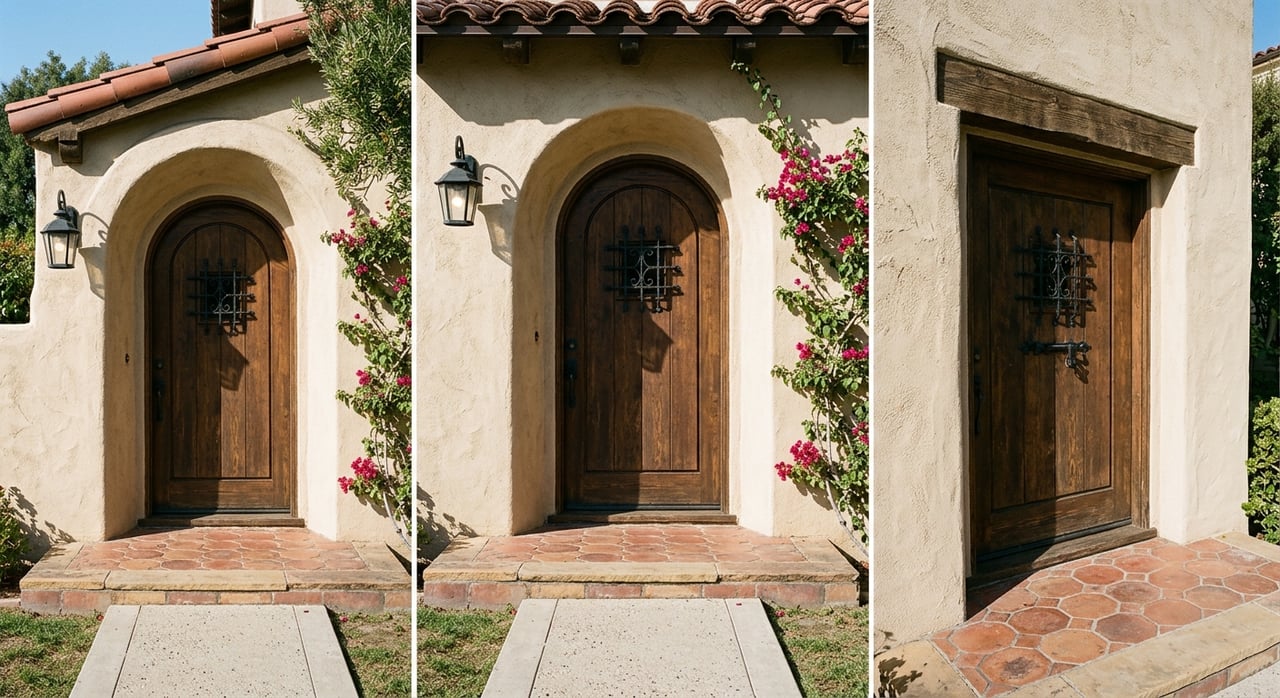
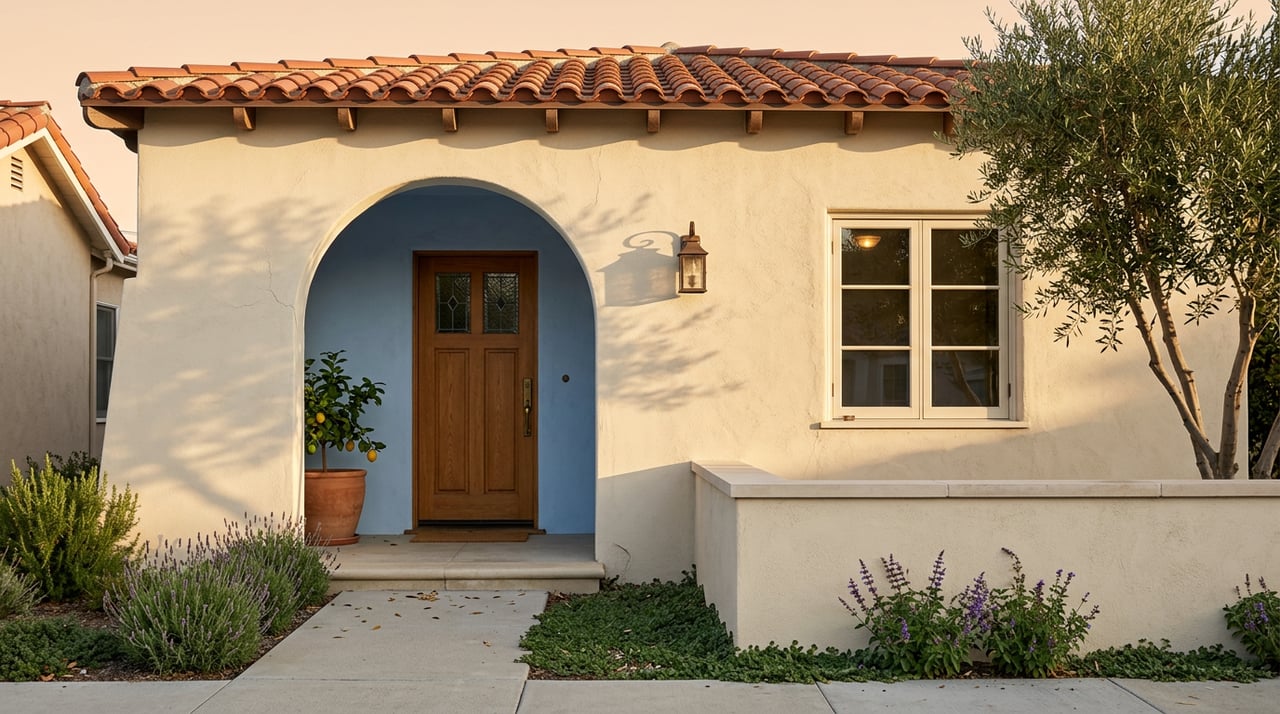
According to Glendale’s design guidelines for historic districts, Craftsman homes often include low-pitched gabled roofs, wide eaves, exposed rafters, porches, and wood siding or shingles. Tudor homes often feature steep cross-gables, half-timbering, stucco or brick, and divided-light windows. Spanish Colonial Revival homes typically include smooth stucco, arches, and red tile roofs, while Modern homes tend to rely on horizontal massing, flat or low-pitch roofs, and minimal ornament.
That variety matters in Glendale. The city’s historic survey notes that Craftsman-era homes are scattered throughout Glendale, and areas such as North Cumberland Heights include Period Revival, Minimal Traditional, Ranch, and other early- to mid-century residential styles. Each style sends buyers different signals, so each one deserves a prep strategy that respects its original design.
Before any work begins, we look at what gives the property its identity. That usually means reviewing rooflines, porch geometry, windows, siding, trim, stucco, and other visible architectural elements. Glendale’s guidelines generally favor retention and repair of original materials and features, especially on street-facing facades and other areas visible from the public street.
This is where a preservation-minded process makes a difference. Instead of rushing to replace older details, we first ask what should be kept, repaired, or highlighted. A Craftsman porch, divided-light Tudor window, or original stucco arch often adds more value than a generic update ever could.
Most homes need some level of practical cleanup before they are photo-ready. The common pre-listing tasks cited by the National Association of Realtors include decluttering, whole-home cleaning, minor repairs, depersonalizing, paint touch-ups, carpet cleaning, landscaping, and removing pets during showings. Those basics still matter, even when the architecture is doing a lot of the heavy lifting.
In Glendale, we usually focus first on the items buyers notice right away. That might mean repairing worn trim, refreshing a tired front path, correcting deferred maintenance, or cleaning up outdoor spaces so the home feels loved rather than overwhelming. The point is to reduce friction without scrubbing away the home’s personality.
The best-prepared character homes do not feel overly remodeled. They feel clear, calm, and true to themselves. Glendale’s preservation guidance consistently supports repair and retention of original features where possible, including roof form, eaves, windows, cladding, and porch details.
That principle shapes every decision. For a Craftsman, we want to preserve the roofline and porch proportions. For a Tudor, we want to protect divided-light windows and half-timbering. For a Spanish Colonial Revival, we want smooth stucco and arches to read cleanly and clearly. For a Modern home, we want the horizontal massing to stay intact and uncluttered.
Not every home needs full staging. Often, the biggest gains come from selective staging in the spaces where buyers form their strongest emotional connection. According to the NAR 2025 staging snapshot, the living room, primary bedroom, and dining room are among the most commonly staged spaces.
That lines up with how buyers shop. These are the rooms that shape the feel of a home in listing photos and showings. We focus energy where it counts most, whether that means bringing in furnishings, refining the layout, or simply editing what is already there so the scale and architecture read well.
Staging also has measurable value. NAR found that 83% of buyers’ agents said staging made it easier for buyers to visualize a home as their future home, 29% said it increased dollar value offered by 1% to 10%, and 49% of sellers’ agents said staging reduced time on market. Even in a competitive Glendale market, presentation still matters.
Once the home is prepared, the marketing assets need to do the rest of the work. Zillow’s guidance on real estate photography and rich media highlights the value of professional photography, virtual tours, and interactive floor plans because they help listings stand out and reduce surprises at showings. NAR also points to photos, videos, and virtual tours as important listing assets.
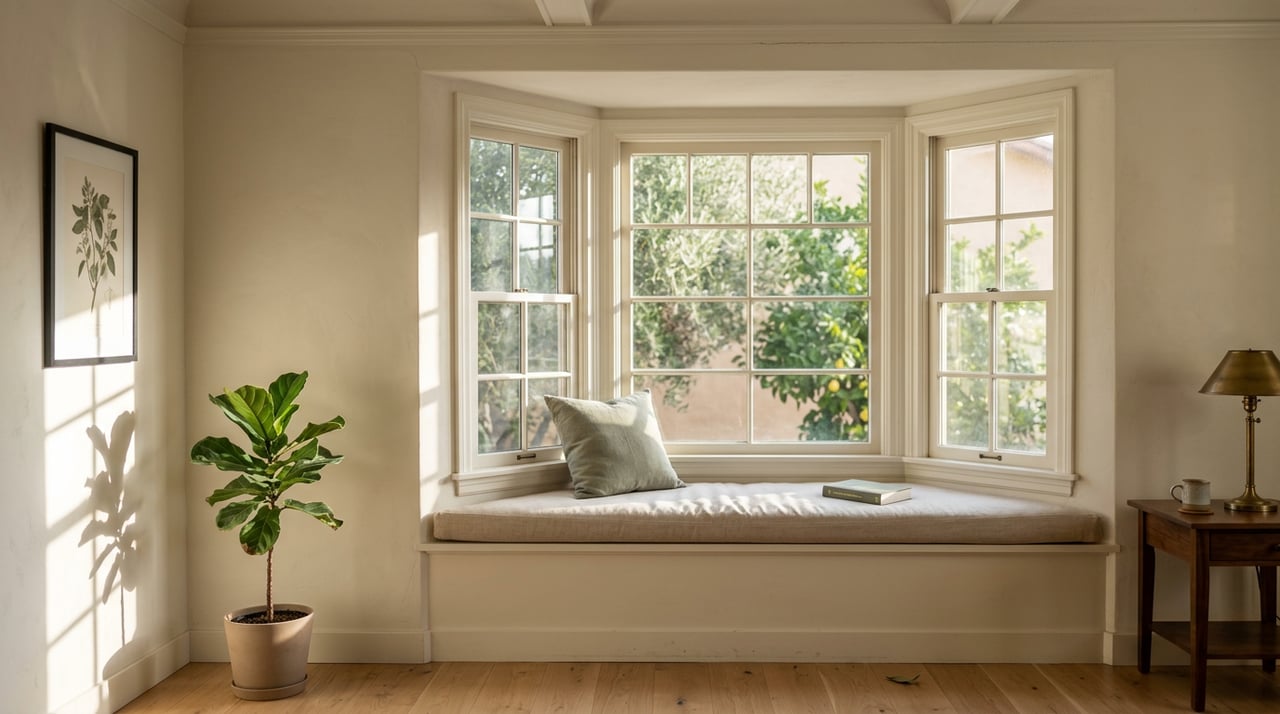
For character homes, visuals should do more than document square footage. They should highlight craftsmanship, natural light, façade composition, and the flow between rooms. Professional photography, video, drone imagery, and floor plans work best when the home has already been simplified, repaired, and styled to support that story.
In Glendale, prep is not only about appearance. Sometimes it also involves understanding what work can be done, what should be documented, and whether any review or disclosure requirements apply before the home goes to market.
According to Glendale’s historic district design guidelines, historic review generally applies to additions and alterations in adopted districts or to properties listed on or eligible for the Glendale Register, with a focus on principal facades and areas visible from the street. The same guidance notes that routine repairs and interior work generally do not require historic design review, although permits may still be needed.
That is an important distinction. Historic homes in Glendale are not frozen in time. As the city explains through its historic district outreach, owners can still make changes, and interior work is generally not subject to historic design review. The process is about compatible visible exterior work, not turning homes into museums.
For some sellers, AB 38 requirements are also part of the listing timeline. Glendale states that sellers of homes in High or Very High Fire Hazard Severity Zones must provide defensible-space compliance documentation, and as of July 1, 2025 must also disclose retrofit availability and known vulnerabilities such as gaps in eaves, siding, roofing, windows, vents, gutters, flashing, and combustible materials within 5 feet of the home. The city handles AB 38 real estate disclosure inspections through its online process.
For many Glendale character homes, that makes early planning especially valuable. If inspections, vegetation work, or documentation are needed, it is better to know that before photography and launch. Good preparation includes both presentation and paperwork.
If your home is on the Glendale Register of Historic Resources, exterior alterations, repairs, or demolition may require approval. Glendale also notes that some registered owners may be eligible for Mills Act property tax relief. That makes coordination especially important when a prep plan touches windows, roofs, porches, or other original visible elements.
This is where a specialist process can protect both value and timing. The wrong shortcut can create delays or weaken the architectural integrity buyers are actually paying for. The right plan helps you improve market readiness while respecting the property’s status and character.
Most Glendale character-home prep plans come back to three ideas: restore, simplify, and document.
That approach helps a home feel cared for, not overproduced. It also gives buyers confidence that the property has been thoughtfully prepared rather than quickly packaged.
Selling a character home can feel personal because it is personal. These homes carry craftsmanship, memory, and a sense of place that deserve real care before they meet the market. If you are thinking about selling, Chris Cragnotti can help you build a prep plan that protects your home’s identity while positioning it for a strong launch.
Stay up to date on the latest real estate trends.
When you’re ready to make a move — we’re here to make it meaningful, seamless, and fully aligned with your goals. From first steps to final signatures, we’re by your side