Is a Glendale Character Fixer Upper the Right Move?
March 5, 2026
March 5, 2026
Love the look of a 1920s Spanish or a storybook Tudor, but worry about what lurks behind the plaster. If you are drawn to Glendale’s older homes, you probably value true craftsmanship and neighborhood character. A fixer can be your path to that charm at a personalized finish level, but only if the budget, timeline, and rules fit your life. This guide walks you through what to expect with a Glendale character fixer, the biggest cost drivers, key inspections, and how historic rules may shape your plan. Let’s dive in.
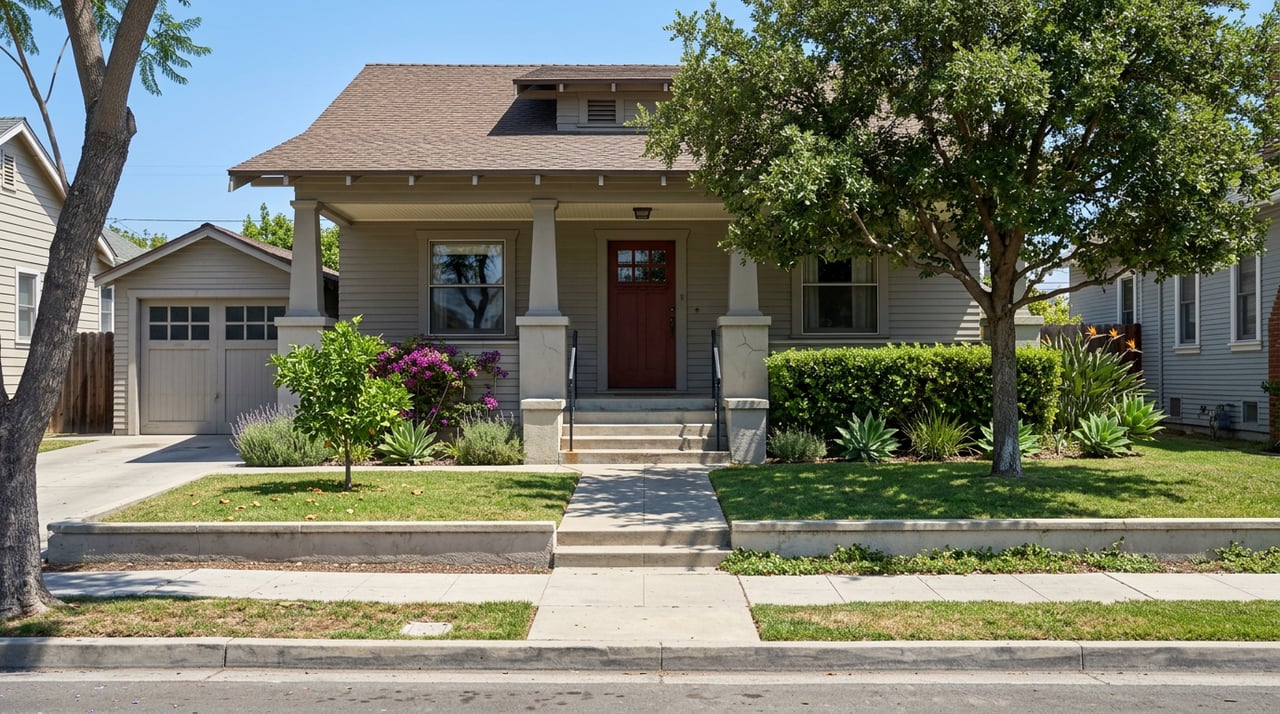
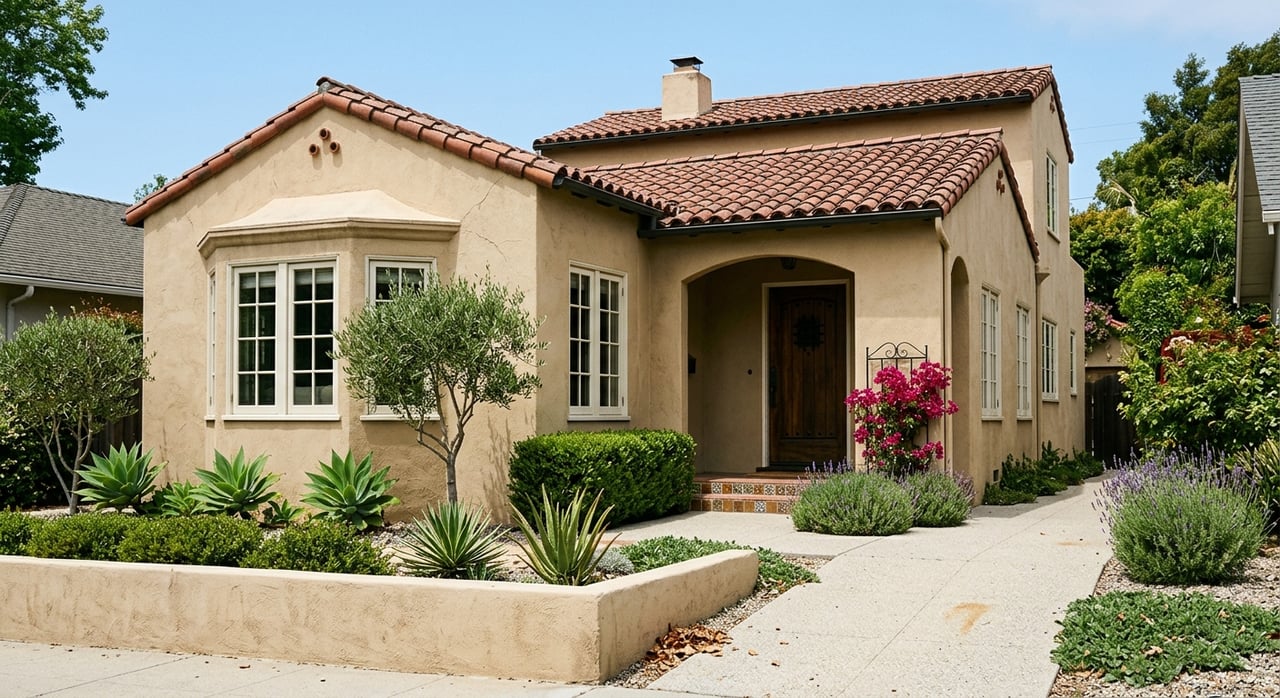
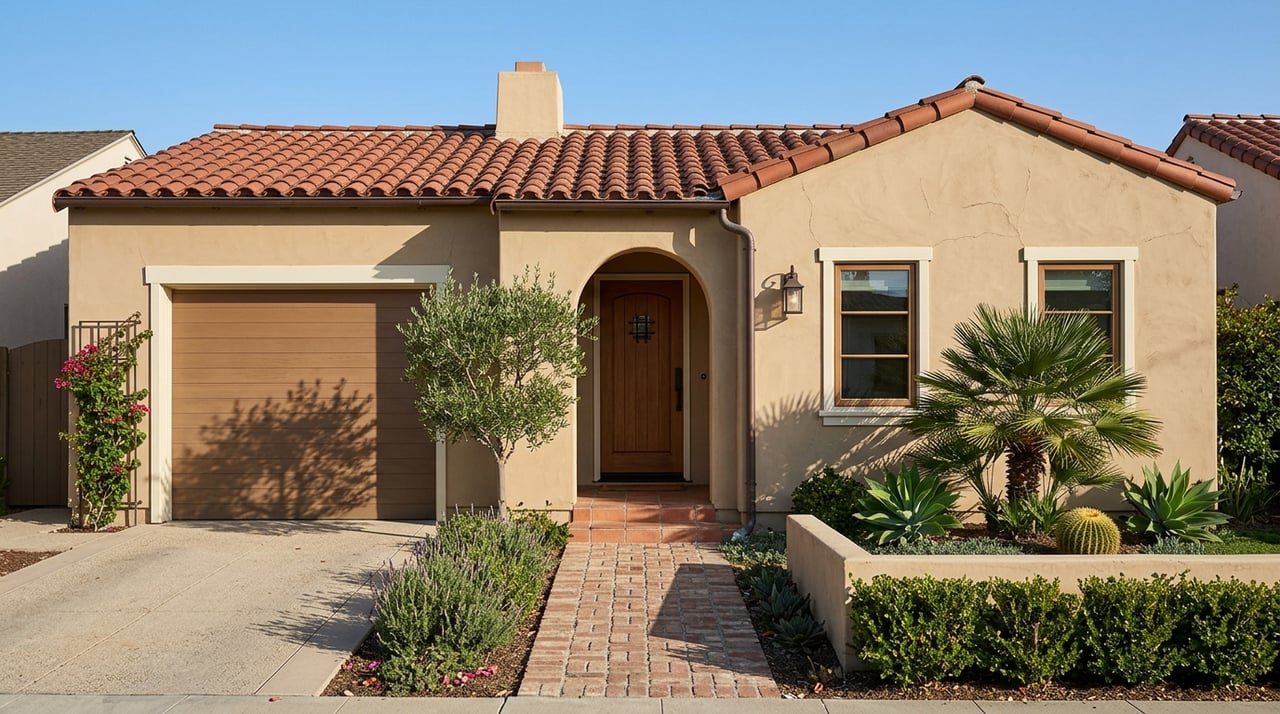
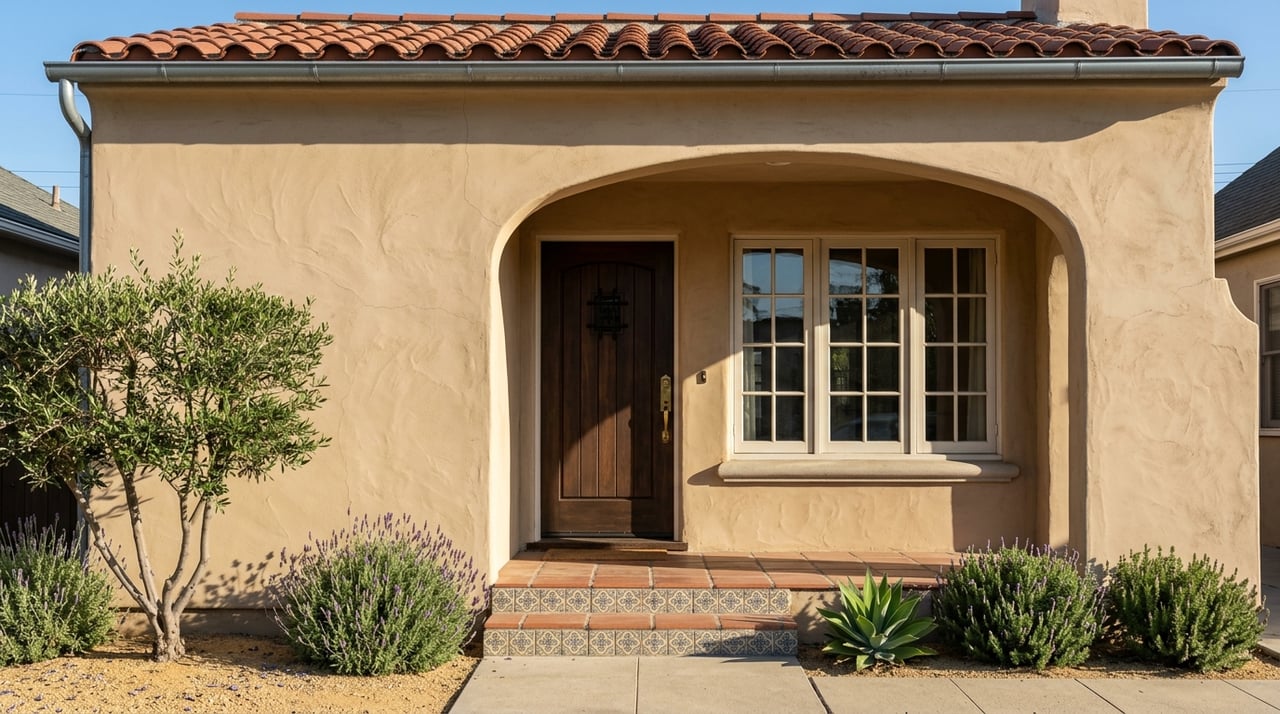
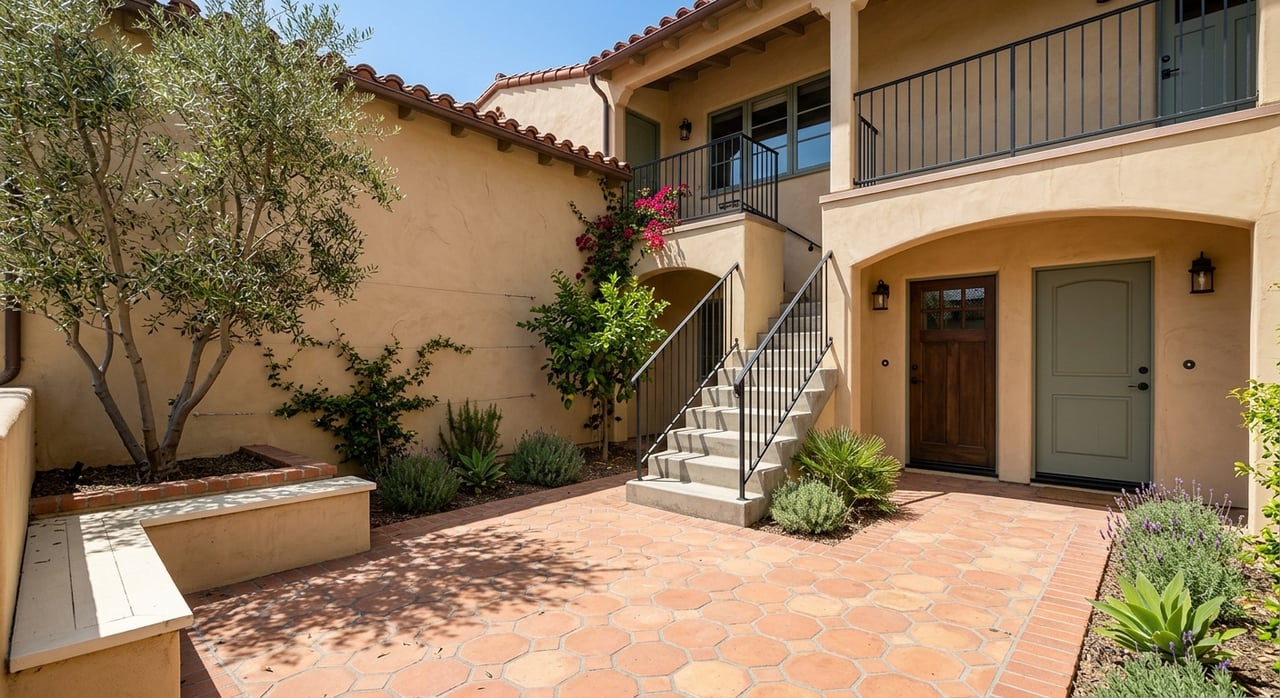
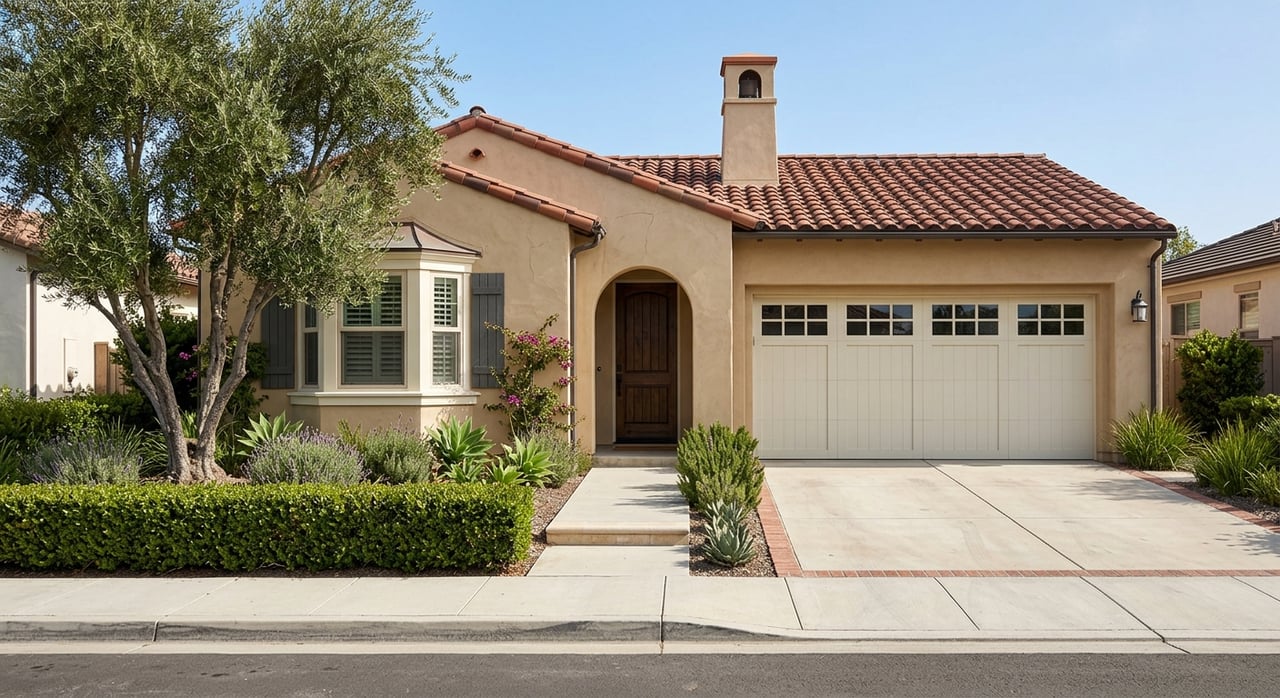
Glendale has a deep bench of early 20th-century homes. You see Craftsman bungalows, Spanish Colonial and Mediterranean cottages, English Tudors, and early Modern influences in areas like Rossmoyne and Ard Eevin. Some homes are listed on the city’s Glendale Register of Historic Resources, which means exterior changes typically require review, and owners may pursue Mills Act contracts. You can confirm status and learn about review pathways on the city’s official Glendale Register page.
Glendale sits within a high-cost Los Angeles metro, and neighborhood-level values can shift quickly. If you are considering a fixer, plan for renovation costs and carrying time in addition to your purchase price. Your goal is to match the home’s character potential to a realistic budget and schedule.
Pros
Cons
Many pre-1980 homes were built before modern seismic standards. Basic brace-and-bolt retrofits for single-family homes commonly range from about 3,000 to 15,000, with hillside, soft-story, or foundation repairs pushing costs higher. The state-supported Earthquake Brace + Bolt grant program has historically offered up to 3,000 toward qualifying retrofits, subject to availability.
Red flags to watch for on a tour include uneven floors, large foundation cracks, chimney separation, or rot at sill plates. If you plan layout changes or see settlement, bring in a structural engineer early.
Knob-and-tube wiring appears in many homes from the 1900s through the 1930s. It lacks grounding and can trigger insurance and safety concerns. Service panels may also be undersized for modern kitchens and HVAC. If you see ceramic knobs, cloth-insulated conductors, or a very small panel, plan for an electrical evaluation and remediation or a full rewire where needed. Read a homeowner-friendly overview of older wiring issues from Historic New England’s guide for old homes.
Older Glendale homes often have galvanized, cast iron, clay, or early plastic lines. Sewer laterals are a common surprise, especially on tree-lined blocks. Typical Los Angeles area replacement ranges are often reported in the low to mid thousands, commonly around 1,500 to 6,500 for straightforward cases, with longer runs and trenchless methods increasing costs. Budget a few hundred dollars for a pre-purchase camera scope, then use the findings in negotiations. See typical costs in Angi’s Los Angeles sewer line cost overview.
A tired roof, failing gutters, or poor site drainage can lead to rot and foundation movement. Ask about roof age, visible eave or rafter damage, and any history of leaks. Look for downspouts that drain away from the foundation and consistent grading that pulls water off the house, not toward it.
Termites are common in Southern California, and damage is often hidden. A licensed inspection is standard in Glendale, with treatments ranging from localized repairs to more significant structural replacement. Learn more from the University of California’s overview of subterranean and other termites.
If the home was built before 1978, assume lead-based paint may be present. The EPA’s Renovation, Repair and Painting Rule requires certified renovators and lead-safe practices when disturbing painted surfaces in many cases. Plan to test, follow proper protocols, and budget for abatement or compliant work methods. See the EPA’s homeowner guidance on lead-safe renovation and RRP rules.
Start with a scope-based budget and build in a healthy safety net. Older homes hide surprises, and opening walls can trigger code upgrades.
Build a contingency reserve. Many remodel pros recommend 10 to 20 percent for typical projects, and 20 to 30 percent for older homes with many unknowns. That cushion helps when you find hidden rot, outdated wiring in walls, or structural fixes after demolition. Learn why scope-based budgeting beats rule-of-thumb math in this contingency planning explainer.
Timelines vary by scope and permitting. Cosmetic projects can take a few weeks. A mid-range kitchen often runs 8 to 16 plus weeks depending on inspections, approvals, and material lead times, as outlined in the Los Angeles remodeling cost guide. Basic brace-and-bolt construction can be days to a few weeks, but allow extra time for engineering and permits per CRMP’s FAQ. Sewer replacements can range from a few days to several weeks depending on excavation and restoration.
Before you fall in love with a plan, confirm whether the property is on the Glendale Register or in a local historic district. Registered properties typically require review for exterior changes, which can shape design choices, materials, and timelines. The tradeoff is a structured path to preserve the home’s character, and the potential to pursue Mills Act contracts when eligible.
Glendale requires permits and plan checks for structural, electrical, plumbing, and many mechanical changes. Plan-check times vary by workload, and historic reviews can add steps. Build that review window into your schedule.
You will want a small, verified team that fits your scope.
Verify licenses, bond, and insurance. Ask for local references, view recent job sites, and use a detailed written contract with a milestone-based payment schedule. California’s consumer site explains how to look up licenses and complaint history here: Contractor verification and consumer guidance.
Order key inspections early in your contingency period so you can walk away or renegotiate if needed.
Use findings to request seller credits, adjust price, or require certain repairs prior to close. Focus on big-ticket items that affect safety and scope, such as structural issues, seismic retrofit needs, sewer failure, hazardous materials, and significant electrical defects.
Ask yourself:
Renovations are disruptive. Expect noise, dust, and temporary shutdowns of kitchens or baths. Inspections and corrections can extend schedules, so keep your calendar and budget flexible. Talk to your insurer about coverage during construction, and ask whether certain seismic upgrades could affect earthquake insurance options or premiums after completion.
If you value historic details and you are comfortable planning for systems upgrades, a character fixer can be a great way to make a Glendale home truly yours. The keys are clear scope, realistic budgeting with a healthy contingency, and early due diligence on historic status and seismic needs. With the right team and plan, you can preserve what makes the house special while bringing it up to today’s standards.
When you want a second set of eyes on a potential project, or guidance on Glendale’s preservation rules and Mills Act pathways, reach out. We pair hands-on local knowledge with preservation-minded advice to help you make a confident decision. Connect with Chris Cragnotti to talk through your goals and the next steps for a specific property.
Stay up to date on the latest real estate trends.
When you’re ready to make a move — we’re here to make it meaningful, seamless, and fully aligned with your goals. From first steps to final signatures, we’re by your side