How the Glendale Character Home Market Is Performing
April 16, 2026
April 16, 2026
Wondering whether Glendale’s character homes still hold their value in a shifting market? If you own, hope to buy, or simply admire one of these older homes, that question matters because period architecture often carries both emotional and financial weight. The good news is that public data points to a fairly clear answer: many Glendale character homes appear to be holding value well, especially in established, architecture-rich areas. Let’s take a closer look at what the numbers show and what really drives long-term value.
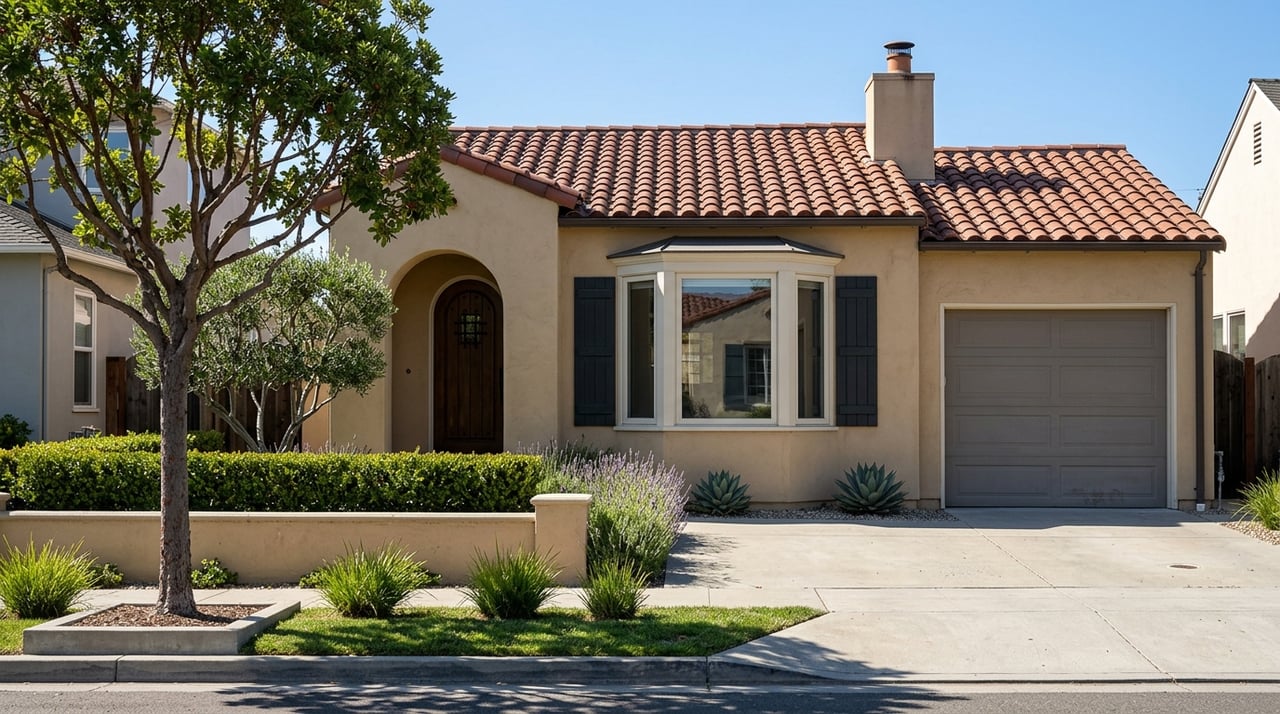
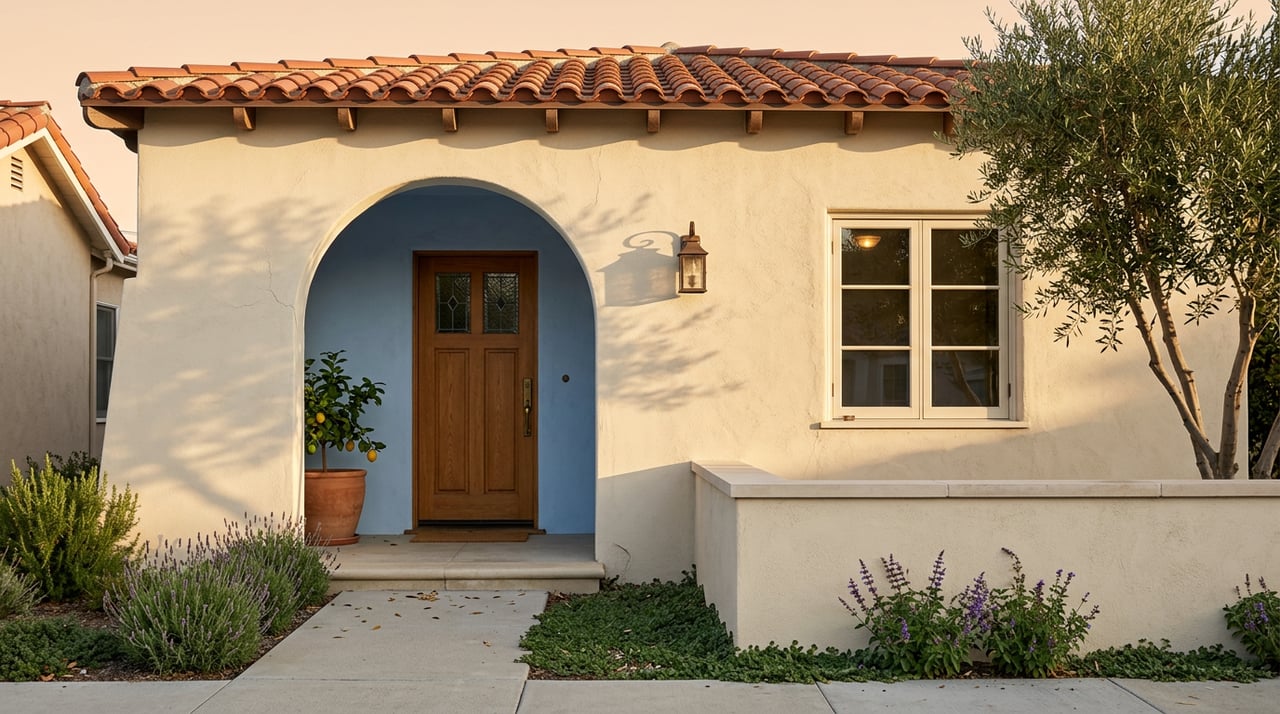
In Glendale, “character home” usually refers to older homes built in styles that shaped the city’s early residential identity. According to the City of Glendale design guidelines, those styles include Craftsman, Spanish Colonial Revival, Tudor Revival, French-inspired styles, Monterey Revival, Mediterranean Revival, and Colonial Revival.
These homes often stand out because of their architectural details, established settings, and placement in neighborhoods that were developed with a consistent scale and look. Glendale’s planning framework also reflects the city’s long-standing identity as a community of homes, which helps explain why these properties are often viewed differently from more replaceable housing stock.
If you are asking whether character homes are holding value, it helps to start with the broader Glendale market. Public data suggests Glendale remains relatively strong compared with both the City of Los Angeles and the larger metro area.
Zillow’s Home Value Index for Glendale shows a typical home value of $1,201,880 as of March 31, 2026, down just 0.6% year over year, with homes going pending in about 15 days. The same source shows Los Angeles at $952,183, down 1.4% year over year, with homes going pending in about 35 days, while the broader Los Angeles-Long Beach-Anaheim metro sits at $954,296, down 0.8% year over year and about 30 days to pending.
That matters because it shows Glendale operating at roughly a 26% price premium to Los Angeles city and the broader metro, while also moving faster. In practical terms, Glendale is not behaving like a soft or discounted market.
A sales-based view tells a similar story. Redfin’s Glendale housing market data reported a $1,237,500 median sale price in February 2026, up 0.6% year over year. Homes sold in about 36 days, received about 5 offers on average, and closed at 100.5% of list price.
The biggest reason is simple: scarcity. Glendale has an active preservation framework, and many of its most recognizable older homes sit in neighborhoods where architecture and streetscape are part of the appeal.
The city says the Glendale Register of Historic Resources was created in 1997 and now includes more than 100 properties. The city also notes that listed properties can qualify for Mills Act tax relief, which may reduce property taxes for eligible historic homes.
Glendale also has nine designated historic districts, including Rossmoyne, Brockmont Park, Casa Verdugo, Cottage Grove, Niodrara Drive, North Cumberland Heights, Royal Boulevard, South Cumberland Heights, and Ard Eevin Highlands. Verdugo Woodlands is shown as a proposed district. Because these areas are limited in size and cannot be widely replicated, buyers looking for preserved period homes often compete for a relatively small pool of listings.
That built-in scarcity can support value over time, especially when a home retains the details that made it desirable in the first place.
The clearest signs of value retention tend to appear in Glendale’s older, architecture-rich neighborhoods. Zillow neighborhood data shows a wide value range, including:
This spread is important. It shows that “character” alone does not set value. Pricing also reflects things like lot size, views, condition, remodel quality, and whether a home sits in a designated or proposed historic setting.
Still, several Glendale neighborhoods with a strong character-home presence are showing competitive demand.
Redfin reports that Verdugo Woodlands posted a $1,628,000 median sale price in February 2026, up 66.1% year over year. Homes sold in about 30 days and closed at 102.5% of list price.
That said, small monthly sales counts can create sharp swings. Redfin also shows only 12 homes sold there in that month, so the more useful takeaway is sustained competitiveness rather than any one dramatic annual jump.
Rossmoyne remains one of Glendale’s best-known historic areas. The city describes it as Glendale’s largest historic district with 503 homes, which reinforces its importance in the local character-home conversation.
Redfin’s Rossmoyne recent-sales page shows a median listing price of $1.58 million, with homes typically staying on market about 28 days. That kind of pace suggests buyers continue to engage with well-located, well-presented homes in the neighborhood.
Montecito Park recent-sales data shows a median listing price of $1.7 million, with homes typically staying on the market for about 8 days and receiving 4 offers.
That is a strong sign of buyer interest. Fast market times and multiple offers usually point to a segment where demand remains healthy, particularly when inventory is limited.
Not every character-rich area sits at the top of Glendale’s price spectrum. Redfin reports that Verdugo Viejo had a $815,000 median sale price in February 2026, up 8.2% year over year, with homes selling in about 30 days and closing at 99.1% of list price.
That illustrates an important point: value retention can show up at different price points. A neighborhood does not need to be one of the city’s most expensive areas to show stable or improving demand.
If you own a Glendale character home, the premium is usually strongest when the property checks several boxes at once.
Homes that retain defining architectural features often stand out more clearly to buyers who want period charm. Glendale’s historic district guidelines focus mainly on exterior changes visible from the street and emphasize preserving character-defining features rather than replacing them unnecessarily.
That supports the idea that intact homes may command stronger interest than homes that have lost much of their original identity. Buyers shopping for a Tudor, Spanish Colonial Revival, or Craftsman often want authenticity, not just age.
Value is not only about the home itself. It is also about the visual consistency of the street, the maturity of the landscaping, and the overall setting.
Glendale’s preservation structure helps maintain that cohesion over time. When buyers know the surrounding streetscape is less likely to change dramatically, that can reinforce confidence in the long-term appeal of the area.
Ownership costs matter, especially with older homes. The city states that Mills Act participation can provide a significant property-tax reduction for eligible listed historic properties.
For some buyers, that can make ownership of a historic home more practical. It does not erase maintenance costs, but it can improve the financial picture enough to support demand.
Character does not guarantee a premium on its own. Some factors can narrow the buyer pool or reduce the price advantage.
If a home has lost many of the features that gave it architectural distinction, buyers may be less willing to pay a premium. In a market that values authenticity, heavy exterior alterations can weaken the very qualities that make a character home special.
Historic district rules can complicate or slow exterior changes. For some buyers, that is a plus because it protects neighborhood integrity. For others, it may feel restrictive, which can reduce demand among people who want maximum remodeling freedom.
Older homes often need more maintenance than newer ones. Even in a strong segment of the market, condition, preparation, and pricing strategy still shape outcomes.
That is why sellers of character homes often benefit from a tailored approach that highlights architectural details, addresses deferred maintenance where possible, and presents the home thoughtfully to the right audience.
Based on the public data, the answer is yes, generally they are. Glendale remains higher priced than Los Angeles city and the broader metro, homes are moving faster, and several character-rich neighborhoods continue to show competitive demand.
But the premium is not automatic. It tends to be strongest when a home is well preserved, thoughtfully maintained, and located in one of Glendale’s scarce character-rich or historic settings. If you are thinking about selling, buying, or evaluating a historic or character home in Glendale, working with someone who understands both market dynamics and preservation context can make a real difference. If you want guidance tailored to your home or your next move, Chris Cragnotti is here to help.
Stay up to date on the latest real estate trends.
When you’re ready to make a move — we’re here to make it meaningful, seamless, and fully aligned with your goals. From first steps to final signatures, we’re by your side