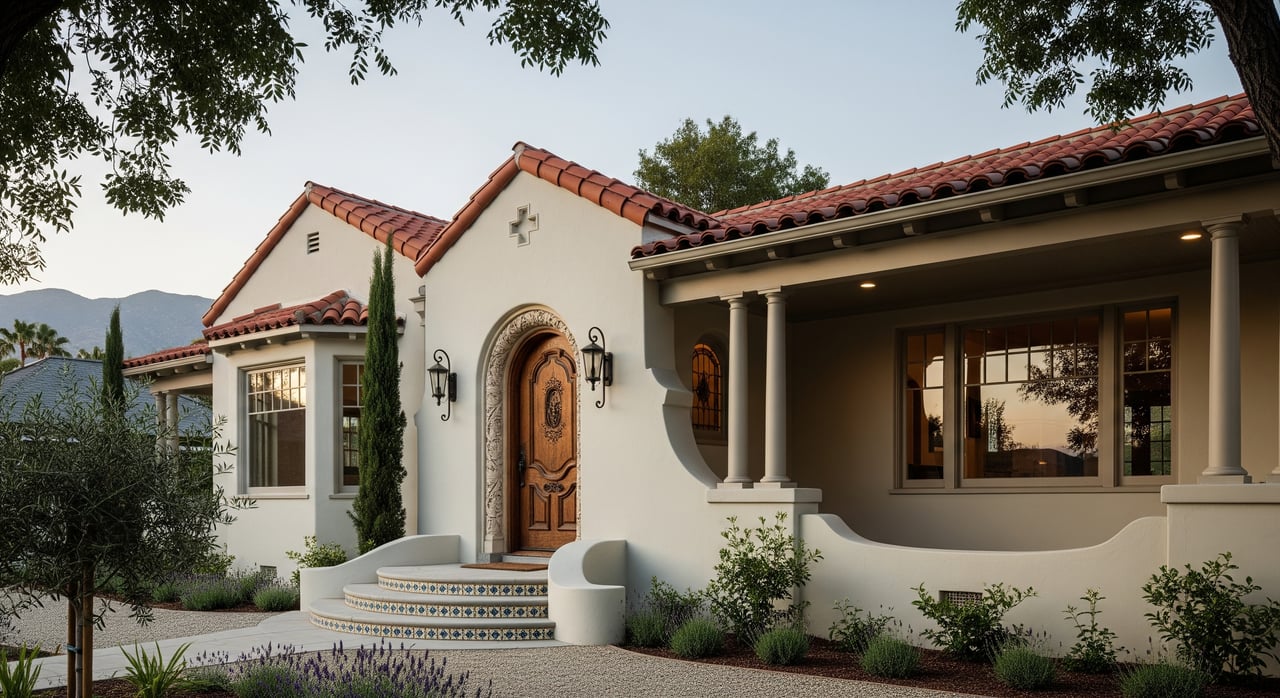
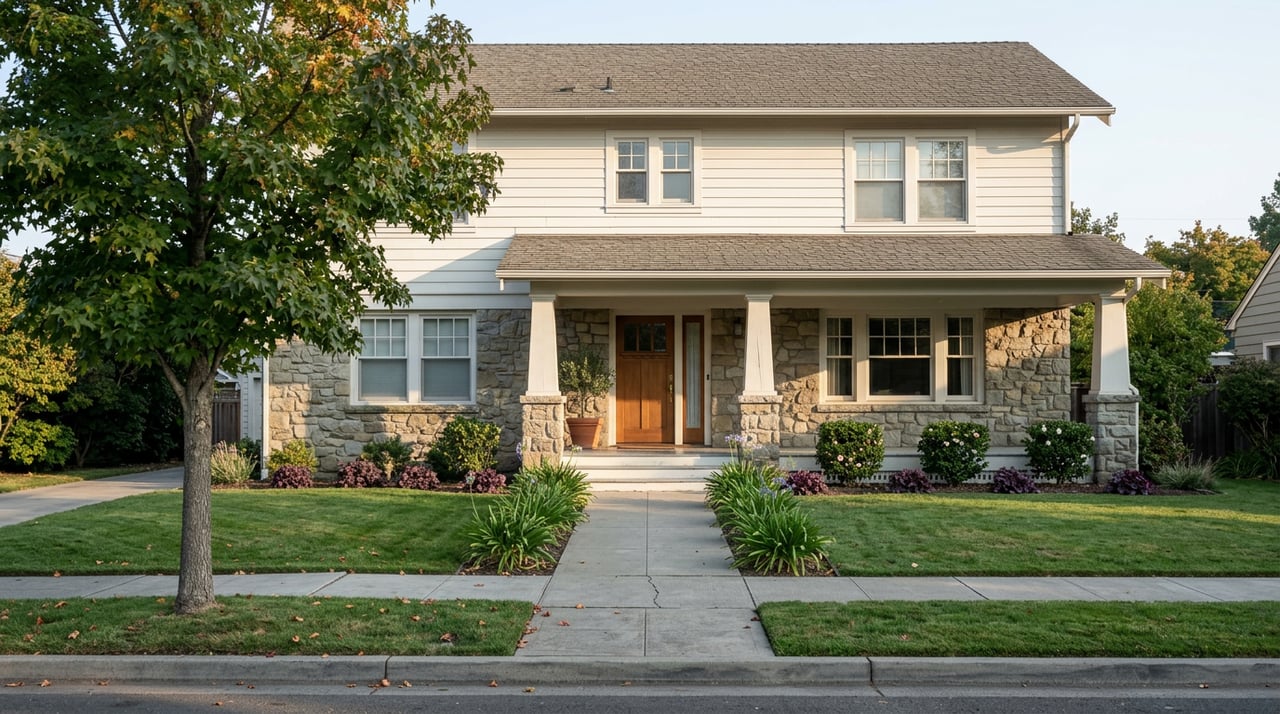
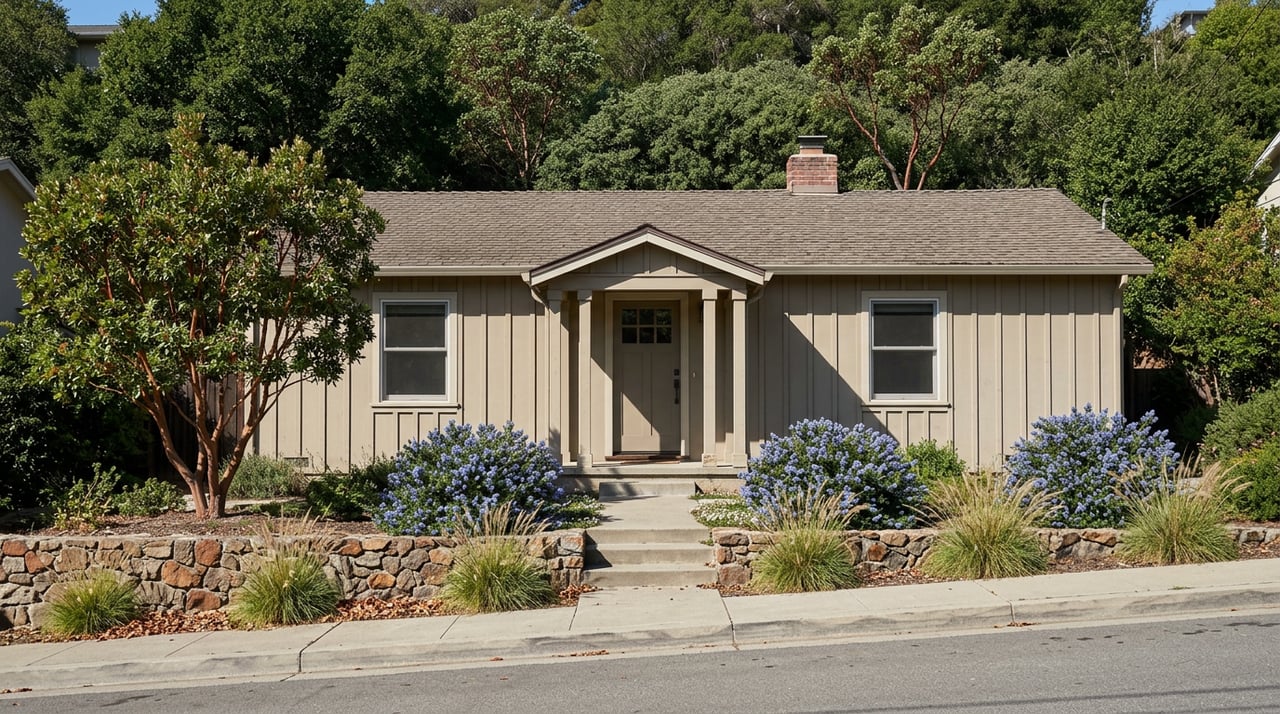
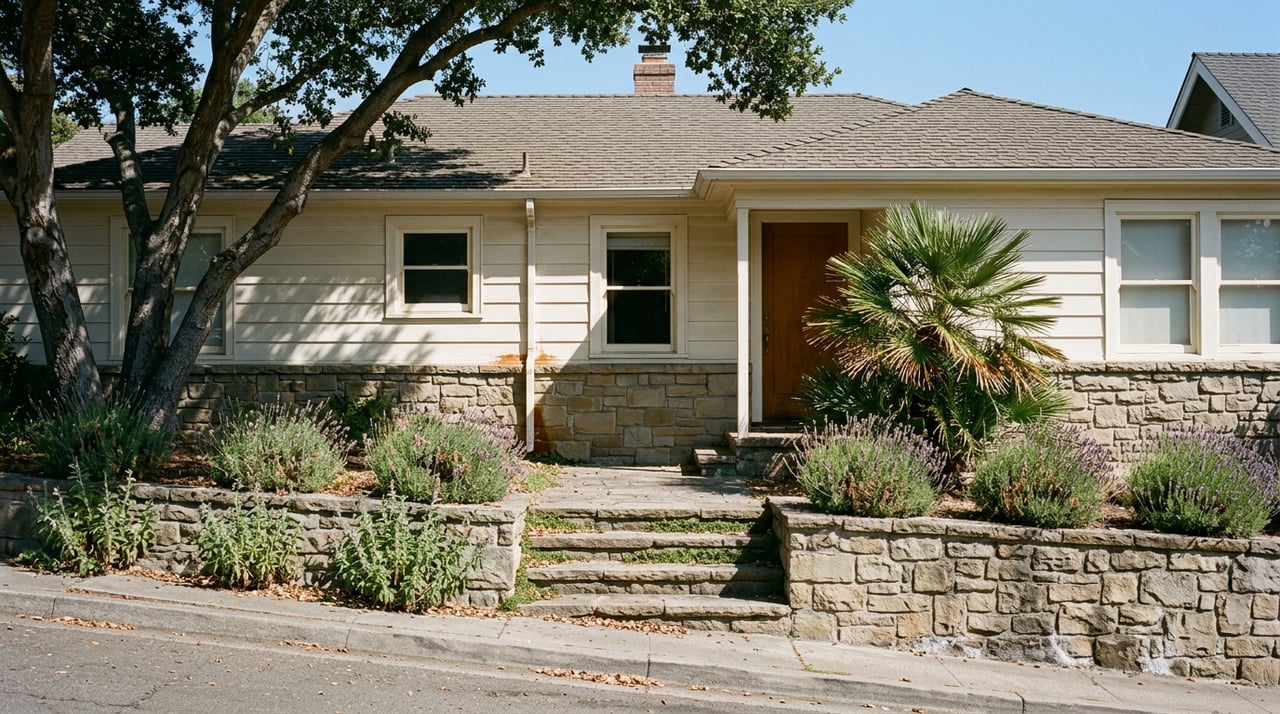
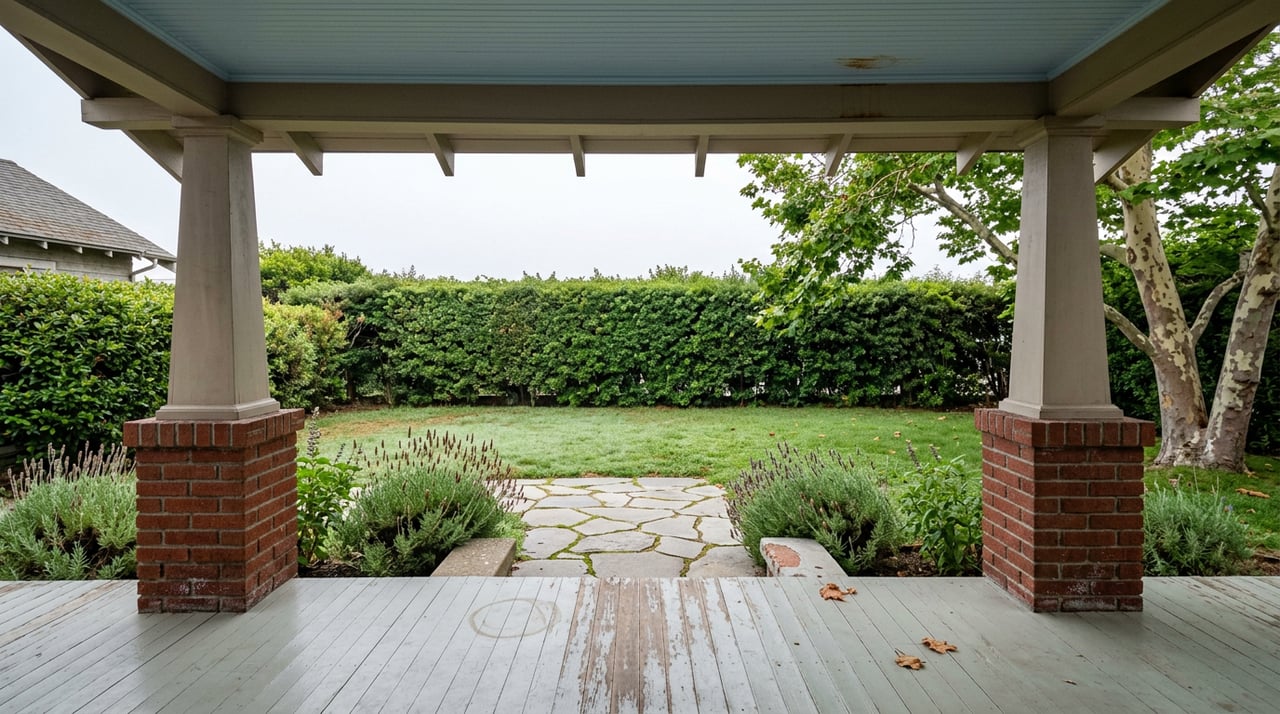
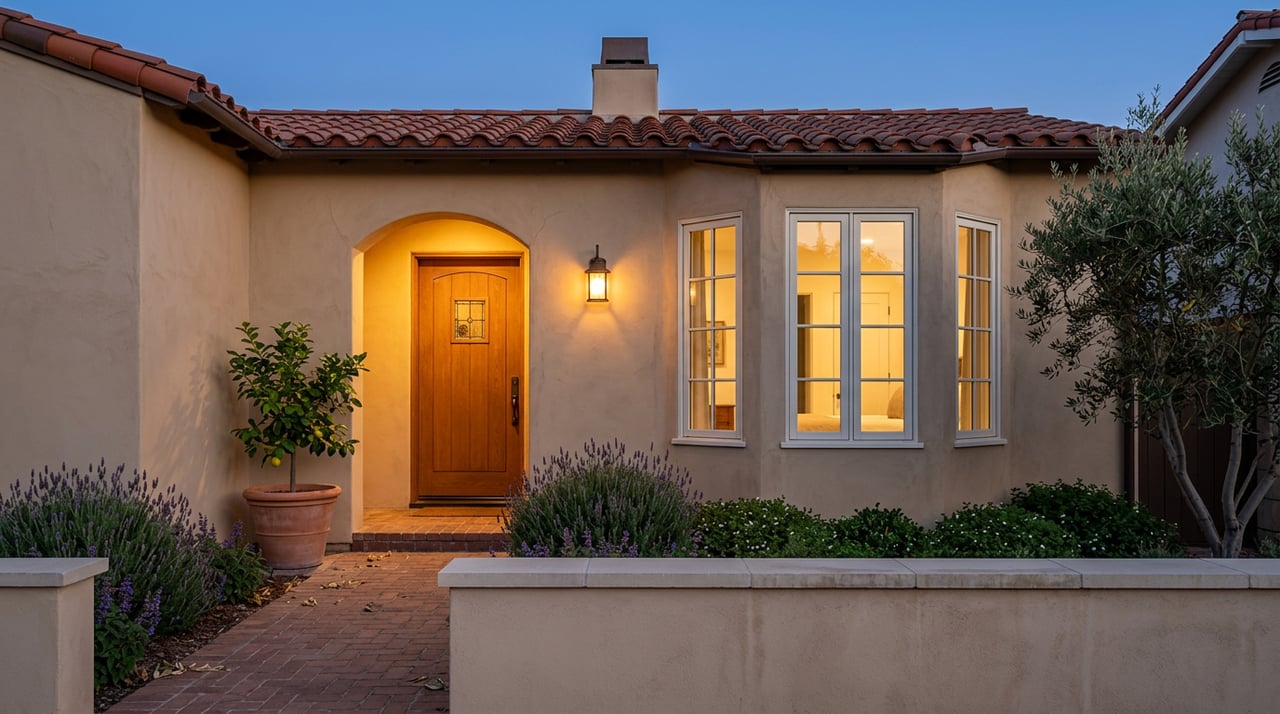
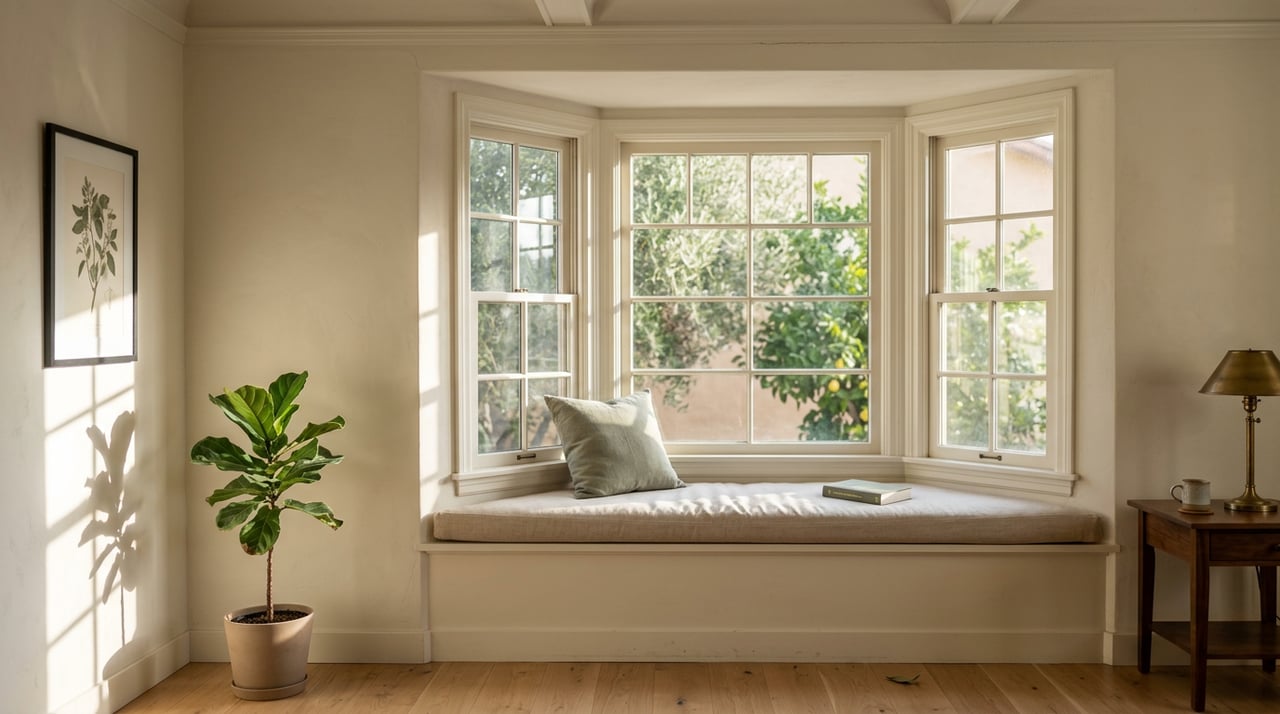
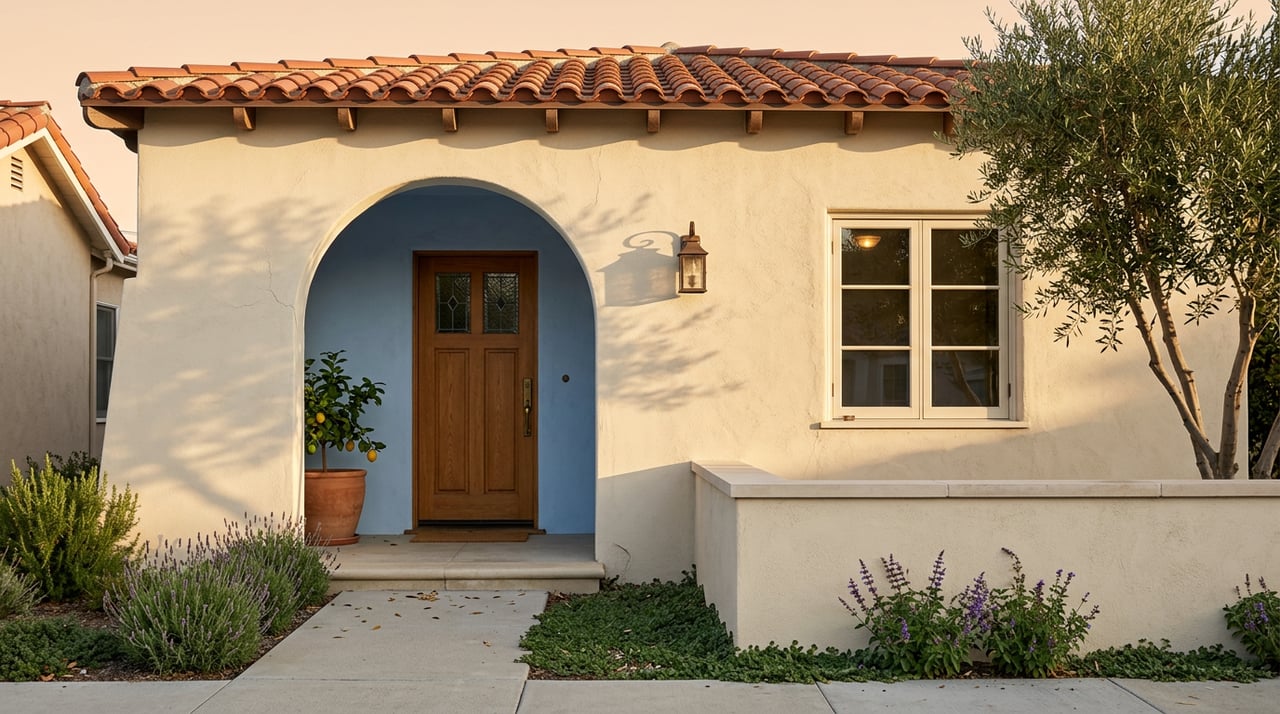
Thinking about selling your 1920s–40s La Crescenta home? Even the most charming Craftsman or Spanish Revival can hide old-house quirks that slow escrow or invite last-minute negotiations. You want to preserve original character while giving buyers confidence from day one. This guide walks you through pre-listing inspections for La Crescenta’s older homes, what to expect, what to fix first, and how to document it all for a smoother sale. Let’s dive in.
Why pre-listing helps in La Crescenta
La Crescenta sits in the foothills, so many homes are on sloped lots. Drainage, retaining walls, and foundation movement are common concerns. Vegetation management also matters because of local wildfire risk. A pre-listing inspection helps you find these issues early and decide how to handle them.
Many homes from the 1920s–40s include period features like plaster walls, original wood windows, hardwood floors, and stucco or wood siding. Some still have legacy systems such as knob-and-tube or early cloth-insulated wiring, galvanized plumbing, and unreinforced chimneys. Buyers and lenders in the LA area often expect reports like a pest/wood-destroying organism inspection and a sewer lateral camera scope, plus proof of permits for major work. A pre-listing inspection sets you up to provide that information or plan updates with confidence.
What inspectors cover
A general home inspector gives you a top-to-bottom view of the house. The standard scope usually includes:
- Structure: visible foundation, framing, and floors or ceilings for signs of settlement or major cracking.
- Exterior: roof condition and flashing, gutters and downspouts, siding or stucco, windows and doors, porches and decks, and retaining walls.
- Roofing: overall condition, evidence of leaks, and likely remaining life.
- Interior: walls and ceilings, floors, doors, and built-ins.
- Plumbing: supply and waste lines where visible, water heater, fixtures, and any signs of leaks or water damage.
- Electrical: service size and panel, visible wiring type, outlet grounding status, and smoke and carbon monoxide detectors.
- HVAC: furnace or boiler, air conditioning if present, and signs of age or operation issues.
- Insulation and ventilation: attic insulation, ventilation, and any signs of moisture or mold.
- Appliances and fireplaces: basic operation and visible condition.
- Safety items: handrails, GFCI/AFCI where required, and other safety hazards.
Specialized follow-ups to consider
Depending on what the inspector finds or what is typical for your property, it may be wise to order:
- Licensed pest/WDO inspection for termites and wood decay.
- Sewer lateral camera scope to identify breaks, root intrusion, or blockages.
- Licensed electrician review if original wiring, an older panel, or ungrounded circuits are present.
- Plumbing evaluation or testing if galvanized piping or frequent leaks are suspected.
- Roof specialist evaluation if the roof is near end of life or there are complex rooflines.
- Structural engineer report if there are signs of settlement, unbraced cripple walls, or other structural concerns.
- Hazardous materials survey for lead-based paint or asbestos if you plan renovations that could disturb materials.
- Mold or indoor air quality testing if moisture issues are suspected.
Common 1920s–40s issues
Older La Crescenta homes share a set of recurring conditions. Sorting them by priority helps you decide what to address before listing.
Priority A: Safety and deal-stoppers
Address these first. They are the items most likely to derail a transaction or raise lender and insurer concerns.
- Electrical hazards like knob-and-tube wiring, ungrounded circuits, overloaded panels, or damaged insulation.
- Major plumbing leaks or a failing water heater. Gas leaks of any kind.
- Significant termite activity or structural wood decay in framing or sill plates.
- Active roof leaks or major roof deterioration.
- Compromised structural elements such as unbraced cripple walls or notable foundation settlement.
- Carbon monoxide risks and missing smoke or CO detectors.
Priority B: Systems and lender concerns
These issues affect habitability, insurance, valuation, and ongoing costs.
- Seismic vulnerabilities typical of older homes, including unbolted sill plates, unbraced cripple walls, and unreinforced masonry chimneys.
- Problematic plumbing materials like galvanized steel supply lines that can restrict flow and leak.
- Old or inefficient heating systems that may affect buyer confidence.
- Sewer lateral defects revealed by camera scope.
- Hazardous materials. Homes built before 1978 may have lead-based paint. Asbestos can be present in materials like vinyl tiles or pipe insulation. If you know about them, you must disclose, and any disturbance during renovation triggers specific rules.
Priority C: Preservation-minded improvements
These items help protect value and showcase original character without heavy replacements.
- Exterior upkeep such as stucco crack repair and wood trim maintenance. Address window glazing and wood rot where needed.
- Interior plaster repair rather than replacing with drywall where feasible.
- Preservation of built-ins, hardwood floors, and original hardware instead of using nonperiod substitutes.
Smart, period-appropriate fixes
Your goal is to improve safety and remove obvious buyer objections while preserving architectural integrity.
Quick safety wins
- Install or repair smoke and carbon monoxide detectors to current standards.
- Strap the water heater to seismic code.
- Repair active roof leaks and clear gutters and downspouts.
- Cut back vegetation to create defensible space and improve curb appeal.
- Fix trip hazards on steps and walks. Secure loose railings.
Moderate repairs buyers appreciate
- Correct minor plumbing leaks and replace failing fixtures.
- Repair sticking sashes and broken panes. Preserve original window frames and hardware where possible.
- Address localized termite damage and keep repair receipts or a WDO clearance.
- Remedy visible moisture staining in attics or crawlspaces and fix the source, whether venting, flashing, or grading.
Preserve character affordably
- Repair plaster rather than covering with drywall when practical.
- Refinish original hardwood floors.
- Restore or reglaze original windows when feasible.
- If you must replace, choose materials and profiles consistent with the home’s style.
Who to hire, and when
- Bring in a structural engineer if you see large cracks, sloping floors, settlement, or if your inspector recommends it.
- Use a licensed general contractor or skilled carpenter for local repairs, plaster patching, trim work, and limited structural fixes based on an engineer’s plan.
- Choose licensed, insured inspectors and specialists. For general inspection quality, look for pros who follow recognized standards of practice.
Ballpark costs in 2024
Every house and scope is different. These ranges are typical but can vary widely based on size, access, and complexity.
- Small safety items like water heater straps and detectors: about $100 to $600.
- Minor roof repairs: a few hundred to several thousand dollars.
- Partial electrical upgrades such as select rewiring or adding grounded outlets: roughly $1,000 to $5,000.
- Full house rewiring: commonly $8,000 to $25,000 or more.
- Cripple wall bracing and basic seismic retrofit: about $3,000 to $12,000 depending on scope.
- Sewer lateral repair or replacement: several thousand to more than $10,000 depending on depth and access.
Documentation and disclosure
Strong documentation builds trust and speeds escrow. Assemble a complete pre-listing packet that includes:
- The general pre-listing inspection report and any specialty reports such as WDO, sewer scope, roof, or structural engineering.
- Permits and final approvals for past upgrades, including electrical, plumbing, structural work, and additions.
- Receipts and warranties for items like HVAC units or roof work.
- Required California disclosure forms such as the Transfer Disclosure Statement, plus any local forms.
- Federal lead-based paint disclosure for homes built before 1978. Provide the EPA pamphlet and disclose known lead hazards.
- Termite treatment documents, clearance reports, and repair receipts if applicable.
Timing and strategy
The sweet spot for scheduling a pre-listing inspection is about 2 to 6 weeks before going live. That gives you time to collect bids, complete targeted repairs, and organize paperwork.
You can choose from a few strategies:
- Make strategic safety and cosmetic repairs, then share the inspection report and receipts with buyers.
- Disclose issues upfront and price accordingly. Your inspection supports your pricing narrative.
- Offer a credit or escrow holdback for known repairs to give buyers transparency without delaying the timeline.
Transaction benefits you will notice
- Fewer surprises in escrow and fewer last-minute renegotiations.
- Shorter closing timelines when key items like sewer and WDO are already documented.
- Greater buyer confidence. You can market the home as inspected and show a proactive approach.
- More predictable net proceeds because you decide which repairs to complete and budget in advance.
Local rules and risk checks
Older homes in the La Crescenta area come with a few extra considerations. Plan ahead so you are not scrambling mid-escrow.
- Lead-based paint. For homes built before 1978, provide the federal disclosure and EPA pamphlet. If you know of lead hazards, disclose them.
- Asbestos. Materials like certain vinyl tiles and pipe insulation may contain asbestos. If renovations will disturb materials, testing and specialized handling may be required.
- Seismic safety. Many older wood-frame homes benefit from bolting sill plates, bracing cripple walls, and securing chimneys and water heaters. Insurance discounts may be available for retrofits.
- Sewer lateral. Some LA-area municipalities require inspection or repair at time of sale. Requirements vary by jurisdiction. Confirm the rules for your property’s city or county department.
- Wildfire defensible space. Brush clearance rules apply in foothill areas. Buyers and insurers look for visible risk reduction.
- Historic and permit rules. If your home is in a historic district or has landmark status, repairs and alterations may require review. Follow local planning guidance and consider the Secretary of the Interior’s Standards for Rehabilitation when planning work.
Step-by-step checklist
Use this simple sequence to keep your pre-listing campaign on track.
- Schedule a licensed general home inspection 3 to 6 weeks before listing.
- Add a WDO inspection and a sewer camera scope if recommended or common for your block.
- Review reports, request bids, and consult a structural engineer for structural items.
- Prioritize safety and lender-sensitive repairs. Tackle select cosmetic, period-appropriate improvements to showcase character.
- Gather permits, receipts, and maintenance records for past work.
- Prepare your disclosure packet with the pre-listing reports, the Transfer Disclosure Statement, the federal lead pamphlet if applicable, and receipts.
- Decide with your agent whether to share the full inspection with buyers to build confidence.
- Confirm any municipal requirements for sewer laterals, brush clearance, or historic review in your property’s jurisdiction and resolve them before listing if required.
Ready to list with confidence
A thoughtful pre-listing inspection turns your home’s age into a selling point. You preserve the charm buyers love while removing obstacles that complicate escrow. With a plan for safety, documentation, and a few period-appropriate touch-ups, you can present your La Crescenta home with clarity and pride.
If you want a local, preservation-minded partner to coordinate inspections, line up the right vendors, and prepare a transparent disclosure package, we can help. Reach out to Chris Cragnotti to talk through the best strategy for your home.
FAQs
What is a pre-listing inspection for a 1920s–40s La Crescenta home?
- It is a general home inspection you schedule before listing to identify safety issues, aging systems, and maintenance needs so you can repair, disclose, or price accordingly.
Do I need termite and sewer inspections before listing in La Crescenta?
- They are commonly requested by buyers and lenders, and ordering them upfront in older-home markets can speed escrow and reduce renegotiations.
Will knob-and-tube wiring or an unreinforced chimney affect my sale?
- Possibly. Lenders and insurers may flag these as safety concerns, so plan for an electrician’s review and consider seismic or chimney upgrades or disclose and price accordingly.
How long does a pre-listing inspection take and what does it cost in the LA area?
- A general inspection typically takes 2 to 4 hours and costs a few hundred dollars to around $600 for older single-family homes, with specialty inspections priced separately.
Do I have to disclose lead-based paint or asbestos in an older home?
- Yes. For pre-1978 homes, provide the federal lead disclosure and EPA pamphlet, and disclose known hazards; asbestos should be disclosed if known and handled per rules when disturbed.
Should I do an earthquake retrofit before listing an older wood-frame home?
- Bracing cripple walls, bolting sill plates, and strapping the water heater can improve safety and buyer confidence; you can complete work before listing or disclose and offer credits.
Can I skip repairs and offer a credit instead?
- Yes. Many sellers disclose issues and offer a credit or escrow holdback, but you should still document the condition with inspections to keep escrow moving smoothly.