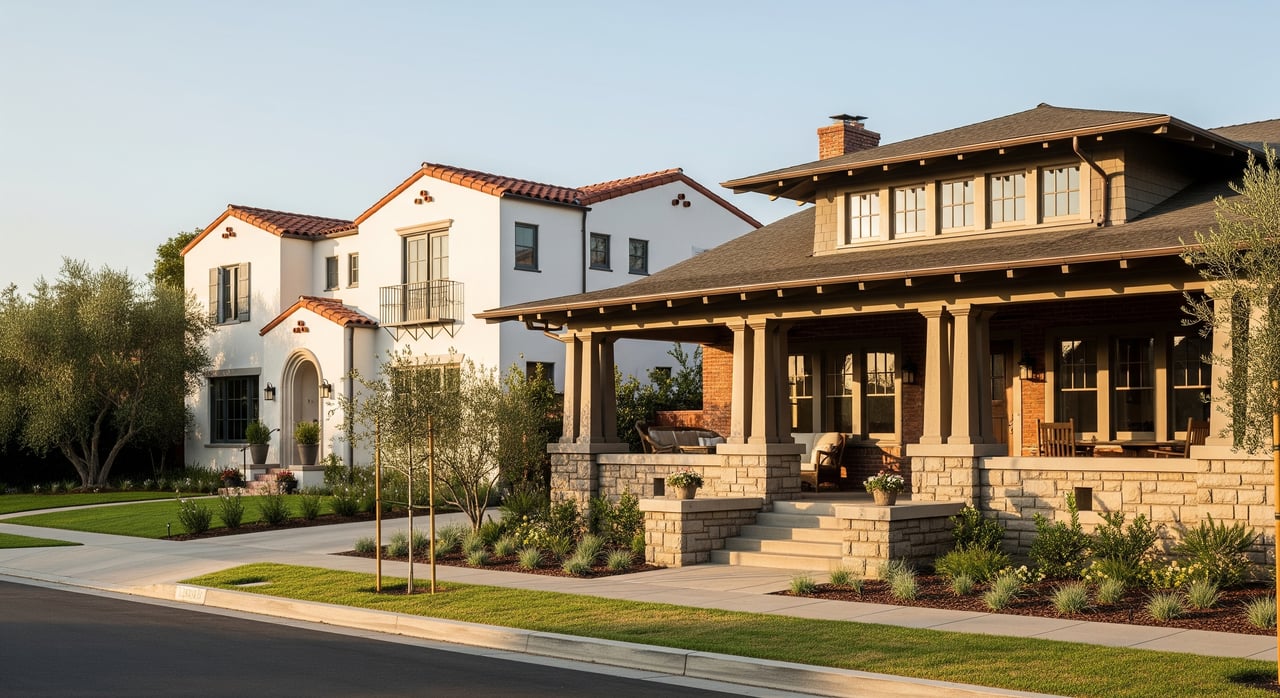
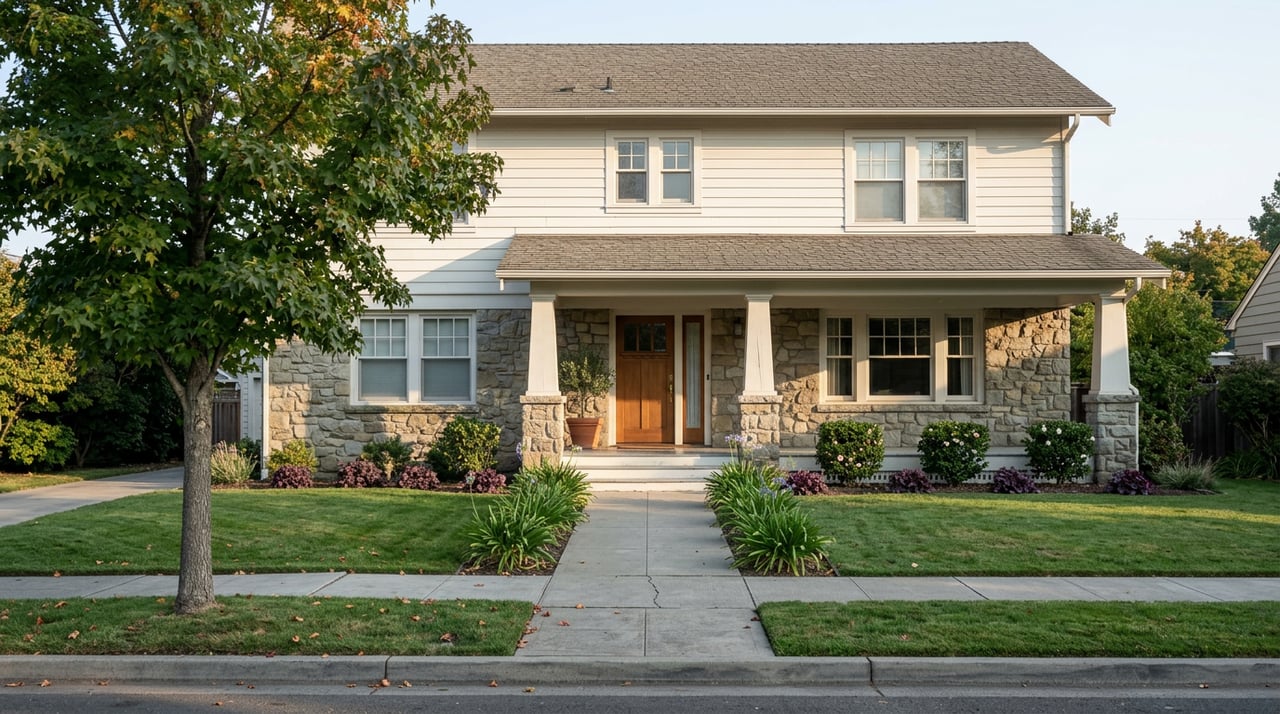
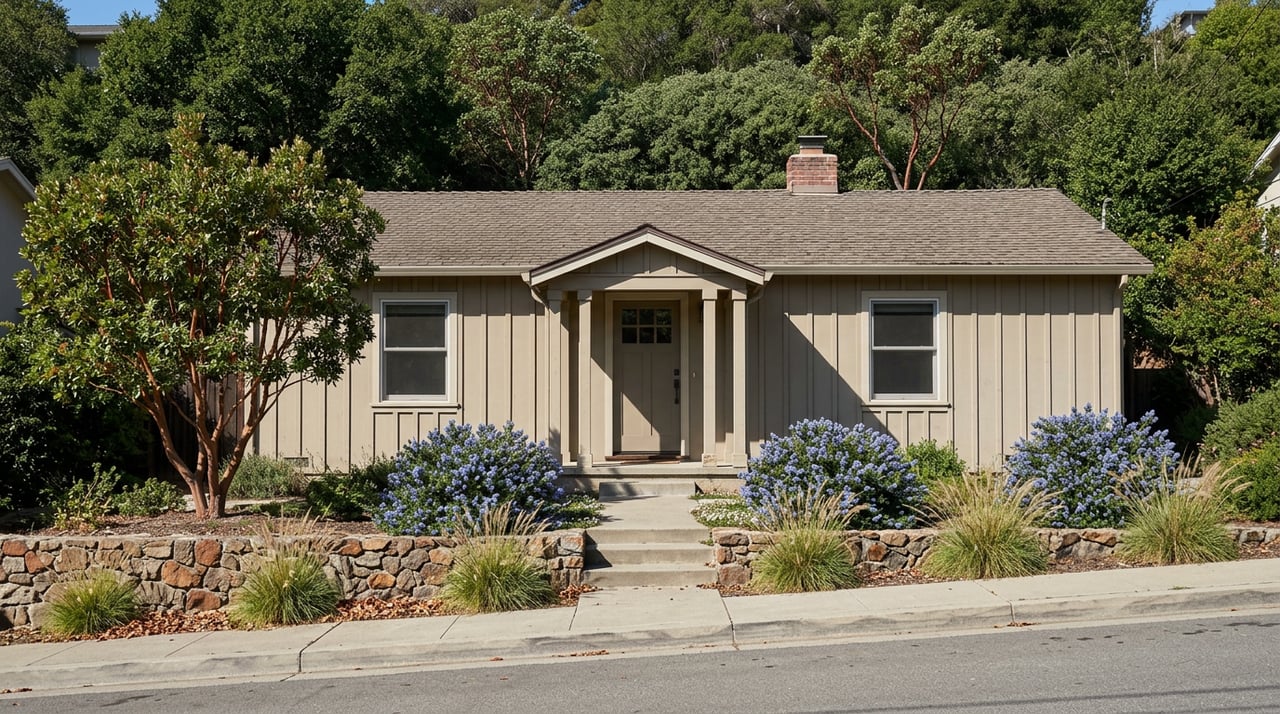
Trying to tell a classic Craftsman from a Spanish Revival as you stroll through Northwest Glendale? You are not alone. These two beloved styles shaped Glendale’s early neighborhoods and still set the tone for curb appeal and value today. In this guide, you will learn how to spot key features fast, what to photograph on a tour, and how to stage or repair these homes without losing their character. Let’s dive in.
Why these styles in Northwest Glendale
Glendale saw major growth in the early 1900s. Craftsman homes took root from about 1905 to 1930, with a peak around 1908 to 1925. By the 1920s and 1930s, Spanish Revival rose in popularity, especially as infill and rebuilding continued.
You will find both styles throughout many vintage streets in Northwest Glendale. Craftsman bungalows often appear on earlier blocks. Spanish Revival shows up in the 1920s to 1940s era with stucco walls, tile roofs, and courtyard-focused plans.
If you own or are buying an older home, remember that pre-1978 paint can contain lead, and past repairs may include asbestos. Glendale also has a local historic preservation program. If a property is designated or sits in a historic district, exterior work can require design review or permit conditions. Check with the City of Glendale Planning and Historic Preservation staff before major exterior changes.
Craftsman essentials
Exterior hallmarks
- Low-pitched gable or hipped roof with wide, unenclosed eaves.
- Exposed rafter tails, knee braces, and visible structure.
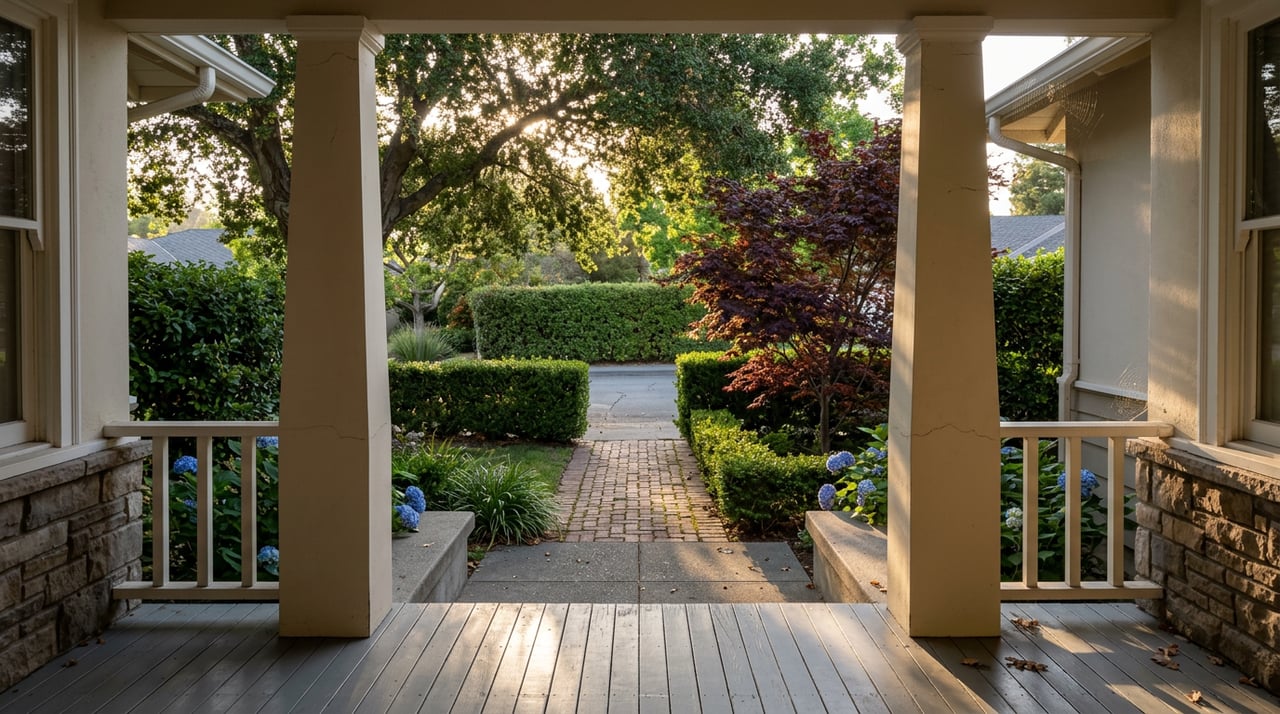
- A substantial front porch, often full or partial width, with tapered square columns on stone, brick, or concrete piers.
- Wood siding and shingles, especially in gable ends.
- Grouped windows with multi-pane upper sashes over single-pane lower sashes, and a solid wood front door.
Interior details
- Built-ins that define living and dining zones, like bookcases, hutches, and window seats.
- Wide baseboards, simple but substantial casings, picture rails, and wainscoting.
- A masonry fireplace as the living room focal point.
- Hardwood floors and plaster walls that give a warm, handcrafted feel.
Quality indicators
- Dovetail drawers and pegged mortise-and-tenon joints in original cabinetry.
- Tight-grain old-growth fir or redwood with a deep patina.
- True divided light windows with real muntins, not snap-in grids.
- Plaster walls with gentle curves at corners and the irregularities you expect from hand-applied materials.
- Period hardware such as mortise locks and cast brass or bronze pieces.
Alterations to watch
- Vinyl window replacements that remove divided lights and the sash profile.
- Enclosed porches or swapped columns that erase the tapered-pier look.
- Stucco or synthetic siding that covers original wood and traps moisture.
- Removal of built-ins and room reconfigurations that break original flow.
- Re-roofing that reduces ventilation, which can lead to rot at eaves and rafter tails.
What to photograph
- A full-façade view that captures porch, columns, and roofline.
- Close-ups of rafter tails, knee braces, and exposed beams.
- Porch piers that show stone or brick materials.
- Window sash details showing divided lights or leaded glass.
- Interior built-ins, fireplace surrounds, ceiling beams, wainscoting, and hardware with maker marks.
Staging tips
- Highlight built-ins with simple styling, and clear clutter to show function.
- Refinish original hardwoods and keep stain tones warm.
- Repair, do not replace, visible woodwork when feasible.
- Add period-appropriate light fixtures if originals are missing.
- Use warm, muted palettes that complement wood trim rather than stark whites.
Spanish Revival essentials
Exterior hallmarks
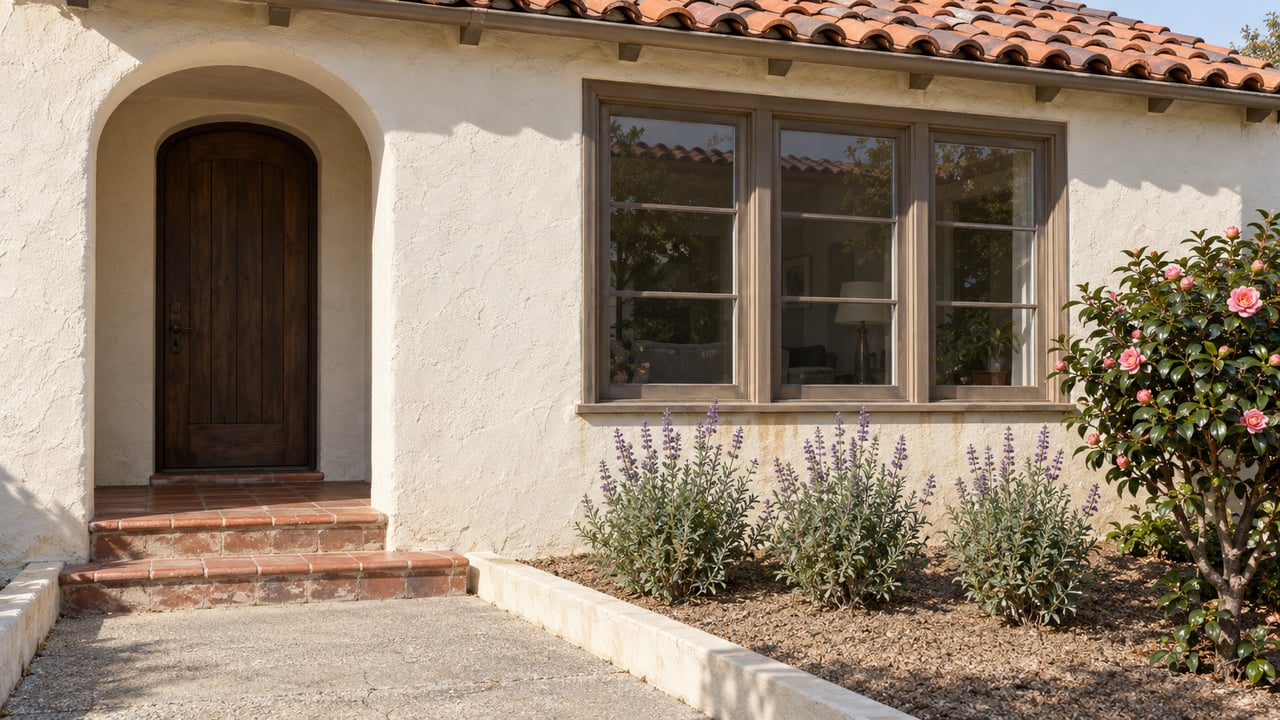
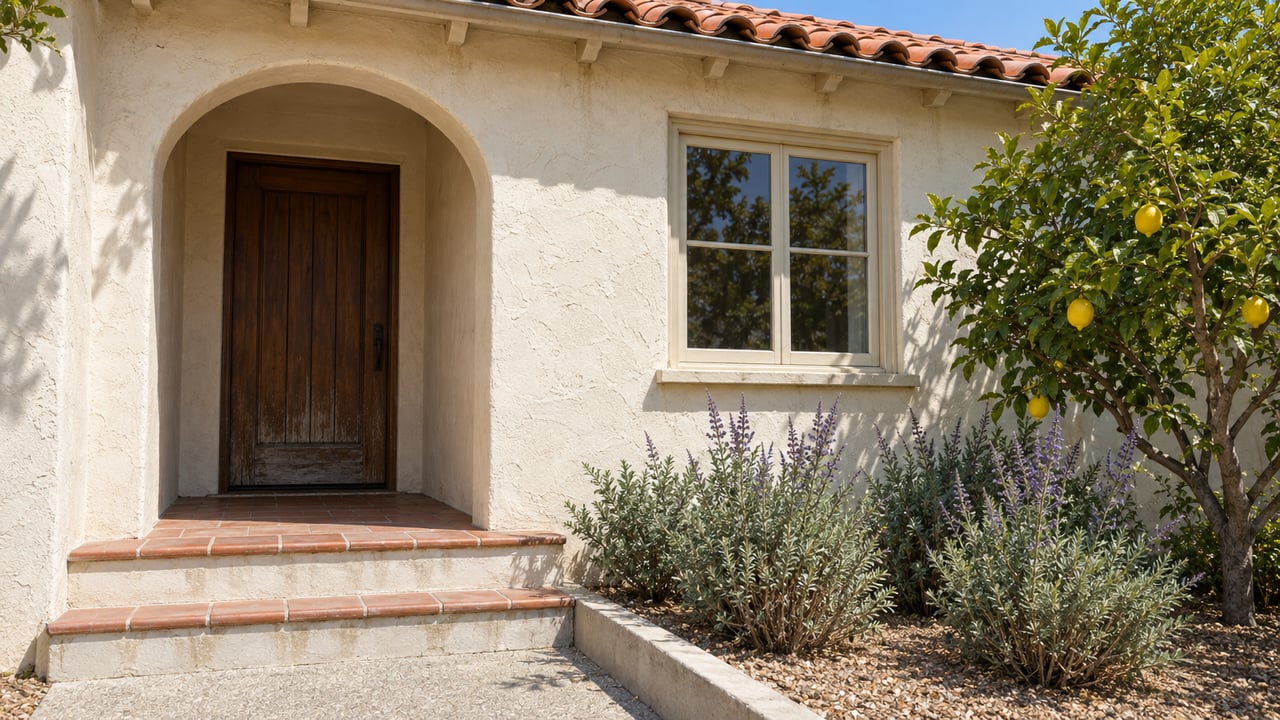
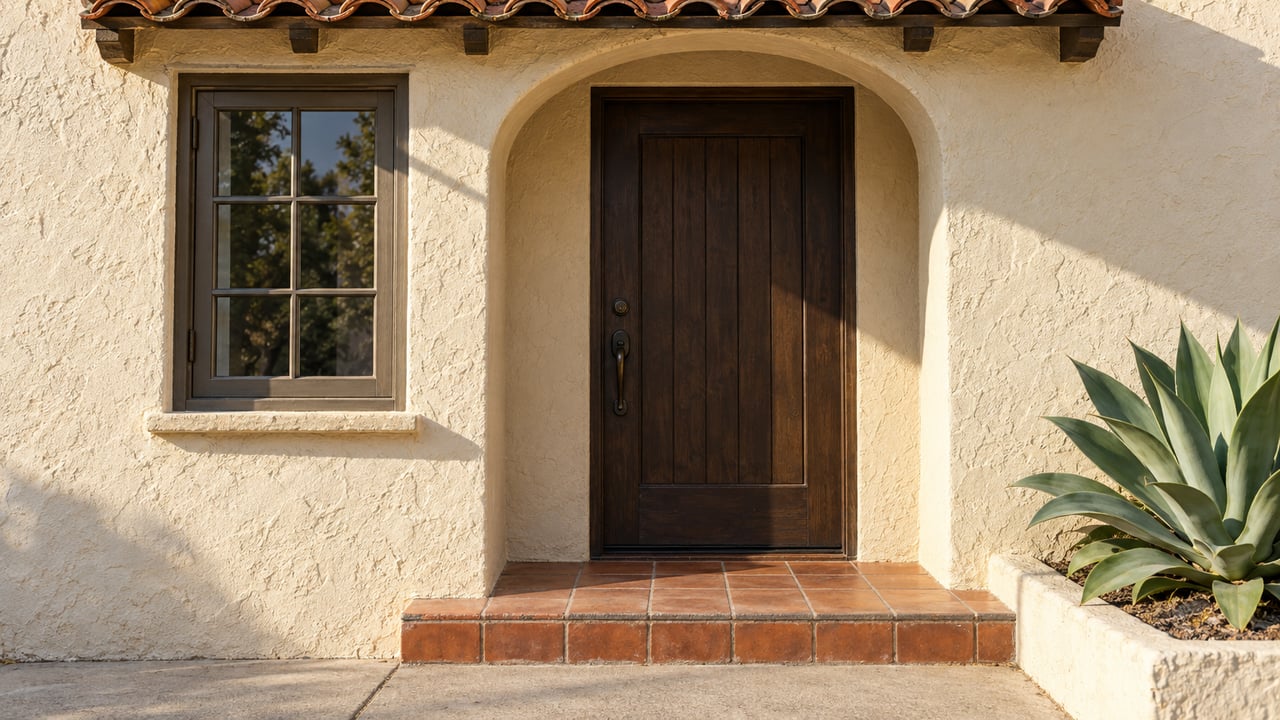
- Smooth or lightly textured stucco walls in white, off-white, or warm earth tones.
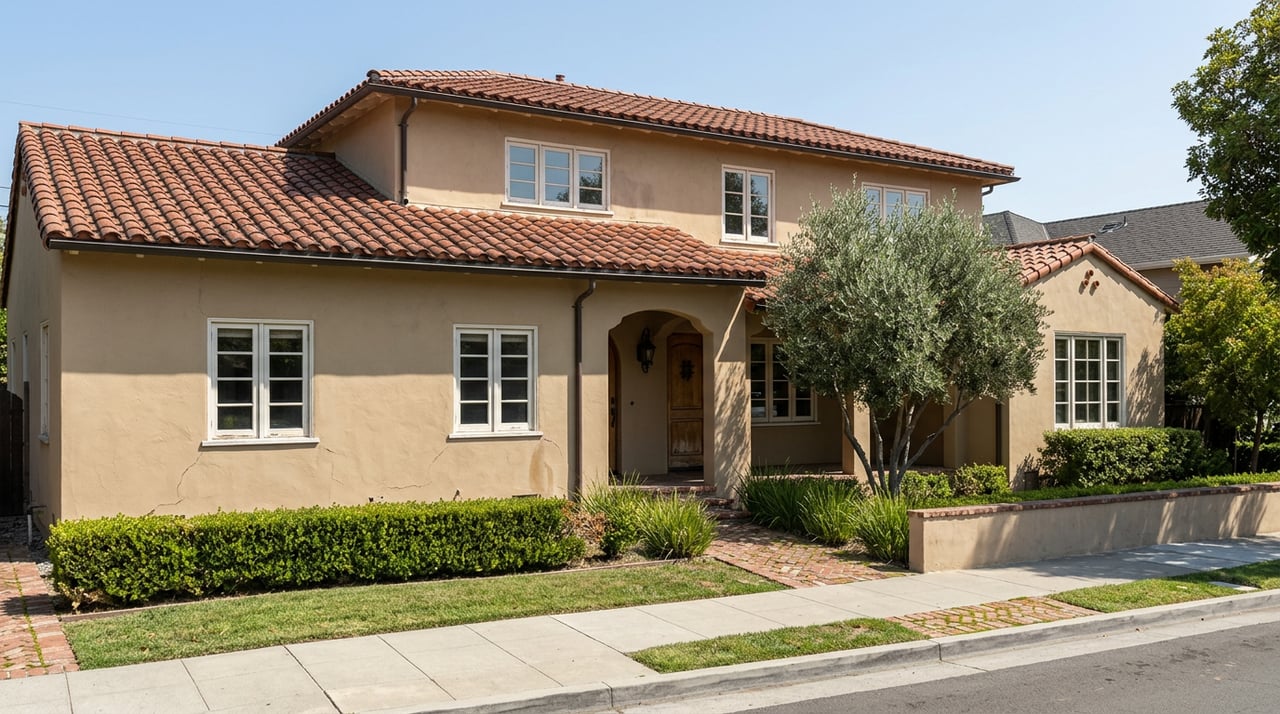
- Low-pitched gable or hipped roofs with red or orange clay barrel tiles.
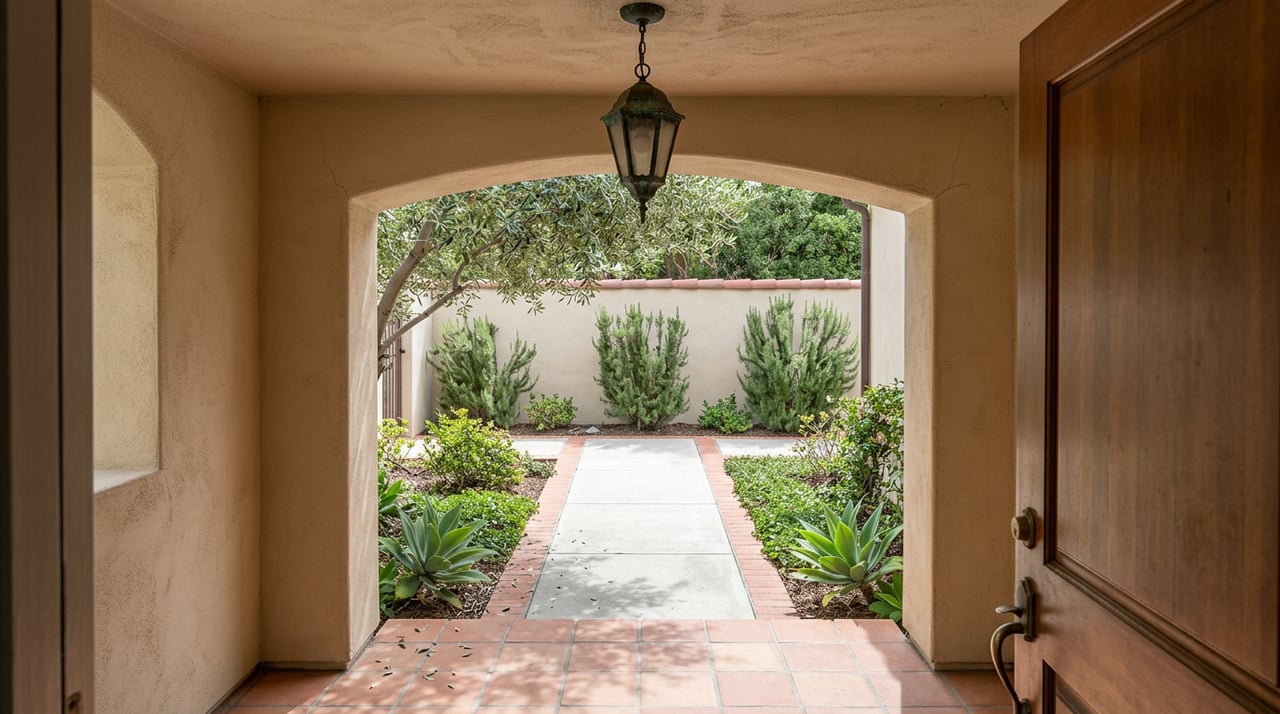
- Arched doorways and windows with recessed openings.
- Decorative tile at stair risers or entries, terracotta details, and ornamental wrought iron.
- Courtyards or patios that connect interior and exterior living.
Interior details
- Tile floors such as saltillo or patterned decorative tile, with hardwood in some areas.
- Exposed or dark-stained wood beams with plaster ceilings.
- Stucco or tile-clad fireplaces with simple or ornate surrounds.
- Heavy wood doors with iron hardware, and casement windows with divided lights.
Quality indicators
- Traditional three-coat stucco rather than a thin synthetic system.
- Hand-glazed decorative tile with slight variations in color and surface.
- Forged ironwork with tool marks and a natural patina.
- Historic clay roof tiles that feel substantial and show age.
Alterations to watch
- Re-roofing with incorrect tile profiles or lightweight tiles that flatten the silhouette.
- Heavy paint or synthetic stucco applied over issues without proper repairs.
- Replacement tile that loses the scale or color depth of period work.
- Removal or enclosure of courtyards and arched entries that define the style.
What to photograph
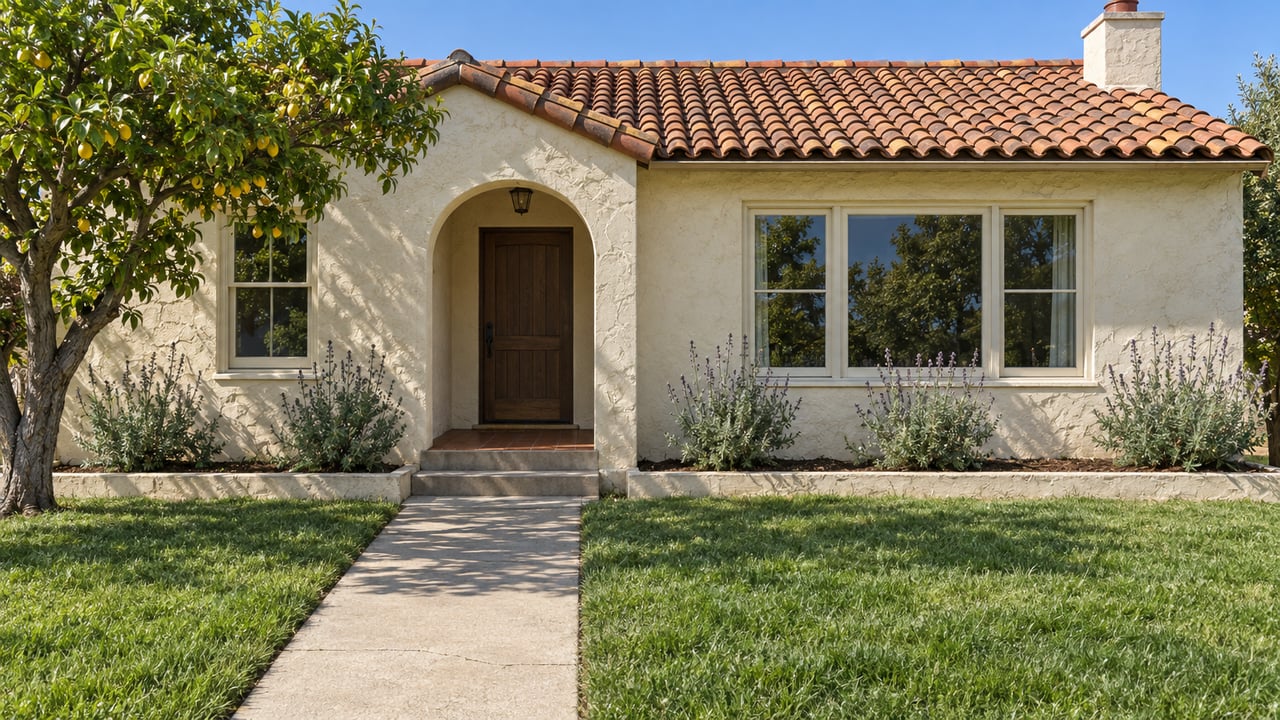
- A full façade that emphasizes roofline, arched entry, and any garden wall or courtyard.
- Clay tile profiles at the eaves.
- Decorative tile panels and stair risers.
- Wrought iron grilles, lanterns, and balcony rails.
- Interior tile floors, fireplace tilework, carved doors, exposed beams, and patio connections.
Staging tips
- Clean and restore tile and ironwork. Replace missing pieces with sympathetic reproductions.
- Style courtyards and patios to showcase indoor-outdoor living.
- Use warm Mediterranean-inspired accents that work with tile and stucco.
- Preserve heavy wood doors and add appropriate iron hardware if needed.
- Hire contractors trained in historic stucco to match textures and avoid moisture traps.
Quick visual cues at a glance
- Craftsman: visible wood structure, exposed rafter tails, tapered porch columns on masonry piers, wood siding and shingle accents.
- Spanish Revival: smooth stucco, red barrel tile roof, arched openings, decorative tile and wrought iron, courtyard emphasis.
Buyer touring checklist
- Exterior: check roof condition and tile type on Spanish, and rafter tails and eaves on Craftsman. Note stucco cracks and patched areas.
- Windows and doors: confirm operation and whether they are original. Look for true divided light sash and intact frames.
- Foundations and moisture: watch for settlement, courtyard drainage issues, and stucco cracks near grade.
- Interiors: assess built-ins and woodwork in Craftsman, original tile and exposed beams in Spanish, and plaster condition.
- Systems and hazards: ask about electrical wiring type, plumbing age, and any lead paint or asbestos testing or remediation.
- Permits and modifications: request permits for major work such as roofing, stucco, windows, and additions. Ask about any historic designation.
Seller prep checklist
- Document original features with photos before repairs or staging.
- Prioritize roof, flashing, gutters, and any wood rot or stucco repair to protect the envelope.
- Rehabilitate signature elements such as floors, plaster, and original windows when possible.
- Use historically sympathetic replacements for missing pieces like tile, hardware, or fixtures.
- Hire contractors with historic home experience and confirm permits. If in a historic district or with a designated resource, contact the City of Glendale before exterior changes.
Vocabulary to know
- Eave: the roof edge that extends past the wall, often open in Craftsman homes.
- Rafter tail: the exposed end of a roof rafter, a key Craftsman detail.
- Knee brace or bracket: the angled support under eaves or porch roofs on Craftsman homes.
- Tapered column: a porch column that narrows toward the top, usually on a heavy masonry pier.
- True divided light: a window with individually glazed panes, common in original sash.
- Stucco: a plaster-like exterior finish. Traditional systems use three coats.
- Barrel or mission tile: semi-cylindrical clay roof tiles used on Spanish Revival roofs.
- Courtyard or patio: an enclosed or semi-enclosed outdoor area, often a Spanish Revival hallmark.
- Wainscoting: wood paneling on the lower wall area, typical in Craftsman interiors.
- Built-ins: cabinetry, shelving, or seating integrated into the structure, a Craftsman signature.
- Mortise lock and dovetail joint: historic hardware and joinery that signal quality craftsmanship.
Preservation and permits in Glendale
Older properties deserve careful stewardship. If your home predates 1978, plan for the possibility of lead-based paint and asbestos-containing materials from past work. A licensed professional should handle testing and any remediation.
Glendale’s preservation program recognizes architecturally significant resources and districts. That can add review steps for exterior changes, from window replacements to roof work. Before you start exterior projects, confirm permit needs and whether any design review applies.
When in doubt, engage professionals with experience in historic roofing, stucco, wood restoration, tile conservation, and wrought iron. The right team will match materials and textures so repairs blend seamlessly.
Work with a local specialist
Character homes earn premium results when their details are understood and showcased. You get better photos, stronger marketing, and buyers who see the value in authentic materials and craftsmanship. Whether you are preparing a Craftsman for market or refining a Spanish Revival courtyard, a preservation-minded plan makes all the difference.
If you want tailored advice, premium marketing, and hands-on project management, connect with Chris Cragnotti for a conversation about your goals and timeline.
FAQs
What is the quickest way to tell Craftsman from Spanish Revival on a Glendale street?
- Look for exposed rafter tails and wood siding for Craftsman, and smooth stucco with a red tile roof and arched openings for Spanish Revival.
Which original features add the most value when selling a Glendale Craftsman?
- Built-ins, true divided light windows, original hardwood floors, and a masonry fireplace typically resonate with buyers who value authenticity.
What repairs should I prioritize before listing a Spanish Revival home in Northwest Glendale?
- Address roof condition and flashing, correct stucco cracks with a proper system, and restore tile and ironwork to present the style at its best.
How can I stage a small Craftsman bungalow without losing its character?
- Keep furnishings low-profile to showcase built-ins and woodwork, use warm neutral colors, and let natural light highlight the textures.
Do I need special permits for exterior work on a Glendale historic property?
- If the home is designated or in a historic district, exterior changes can require design review and permits. Check with the City of Glendale before starting work.
Are lead paint and asbestos common concerns in Glendale’s older homes?
- Homes built before 1978 can contain lead-based paint, and some past repairs may include asbestos. Plan for proper testing and professional remediation if needed.