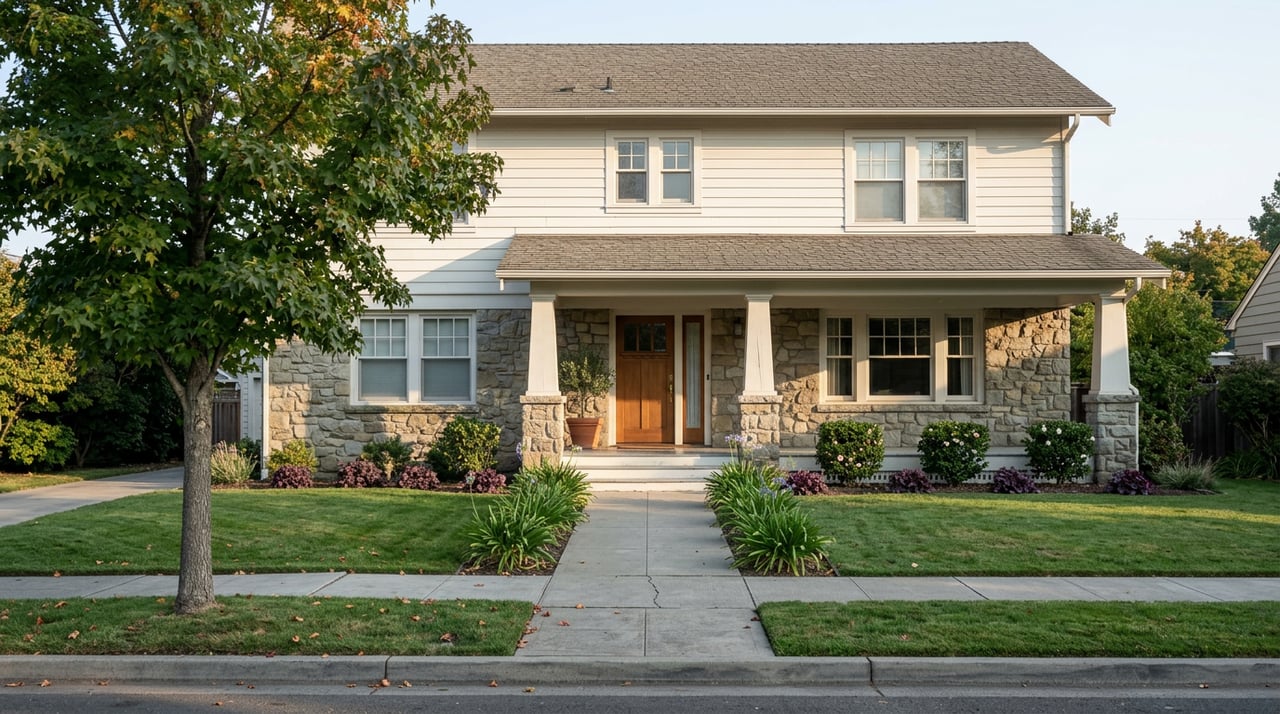
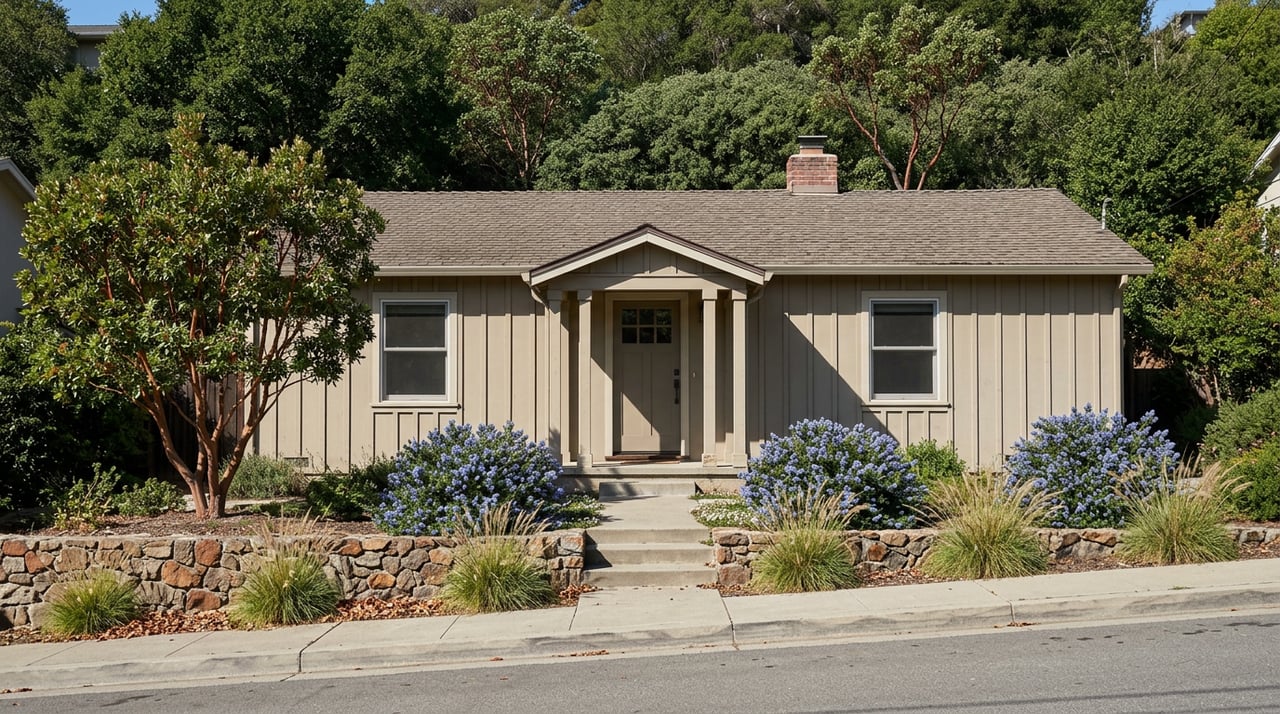
Do you picture sunrise views over the Verdugos or morning coffee on a stroll to Brand Boulevard? In Glendale, your choice between hillside living and the flats shapes almost everything about your day. You want a home that fits your routines, budget, and long-term plans. This guide breaks down the real tradeoffs so you can choose with confidence. Let’s dive in.
Glendale at a glance
Glendale is a compact city with a strong housing market and household incomes above many national averages, supported by a population near 190,000. You can explore current demographics in the U.S. Census QuickFacts for Glendale city. See the city snapshot.
City planners treat hillsides differently than the flatter core. Glendale’s single-family design guidelines include a dedicated Hillside chapter covering site planning, grading, and review steps. If you expect to remodel or build, it helps to understand those design expectations early. Review the city’s design guidelines.
What counts as hillsides vs. flats
Hillside pockets
When locals say “the hills,” they usually mean neighborhoods like Chevy Chase Canyon, Brockmont, Rossmoyne’s foothill side, Verdugo Woodlands, College Hills, and portions of Oakmont and Whiting Woods. These areas feature sloped lots, curving streets, and many homes with elevated siting and potential views.
Flats and walkable cores
Glendale’s flats cluster around the Brand Boulevard corridor, including the Americana at Brand and the Glendale Galleria area, plus village pockets like Montrose. Streets near Brand are among the city’s most walkable blocks, with shopping, dining, and services close at hand. A simple address example is 201 N Brand Blvd and the blocks around it. Transit options center on the Glendale Transportation Center with Metrolink, Amtrak, and city bus connections. Explore local transit options.
Lifestyle tradeoffs you will feel day to day
Views, privacy, and noise
- Hillsides often deliver panoramic or treetop views and a quieter street feel because there is less pass-through traffic. Homes may sit above street level, which can improve privacy but also changes how you use front entries and driveways.
- Flats trade views for proximity. You get quick access to cafes, groceries, parks, and events, especially near Brand Boulevard and downtown. The vibe is lively and convenient.
Yards, pools, and gardening
- Hillside yards are usually terraced with retaining walls, decks, and planting beds. Managing drainage, erosion, and vegetation is part of everyday ownership. In designated hillside fire zones, Glendale enforces defensible-space and brush requirements. Check the city’s Vegetation Management Program.
- Flats are better for level lawns, larger play areas, RV parking, or a full-size pool. If an accessory dwelling unit is on your wish list, flat lots typically offer easier siting and construction access.
Driving, parking, and errands
- Hillsides are more car-dependent. Expect steeper grades, narrower streets, longer driveways, and tighter guest parking. The city occasionally invests in hillside corridor improvements and slope-stability work, so watching street conditions and recent projects near your target block is wise.
- Flats make short errands simple and often walkable. Visitor parking can still be structured or time-limited downtown, but it is generally easier to host friends compared with winding hillside lanes.
Walkability and transit
- Brand Boulevard and the immediate downtown core are Glendale’s most walker-friendly zones, with daily needs close together. If you prioritize ditching the car for errands, this is where it shines.
- Montrose delivers a small-town main street feel within its own village pocket. If you live up in the canyons or foothills, walking for errands is less practical, though you can still enjoy trail walks and neighborhood loops.
- Commuters who lean on transit will find the best access near the Glendale Transportation Center. See connections and lines.
Recreation and microclimate
Trailheads and open space
Hillside and canyon neighborhoods put you closer to trailheads in the Verdugo Mountains Open Space and Deukmejian Wilderness Park. If weekend hikes, mountain biking, or equestrian trails are part of your routine, you will love the quick access. Explore the Verdugo Mountains Open Space Preserve. On the flats, you are still a short drive to Brand Park, the Glendale Sports Complex, and foothill trailheads. Local favorites include the Scholl Canyon Fire Road for a quick out-and-back workout.
Sun, shade, and breeze
Orientation matters in the hills. South- and west-facing slopes can run warmer in the afternoon, while north-facing slopes can feel cooler and retain more moisture. Breezes may be more noticeable higher up. If you garden, add solar, or plan outdoor living spaces, walk the property at different times of day to understand sun angles and wind.
Architecture and renovation realities
Home styles you will see
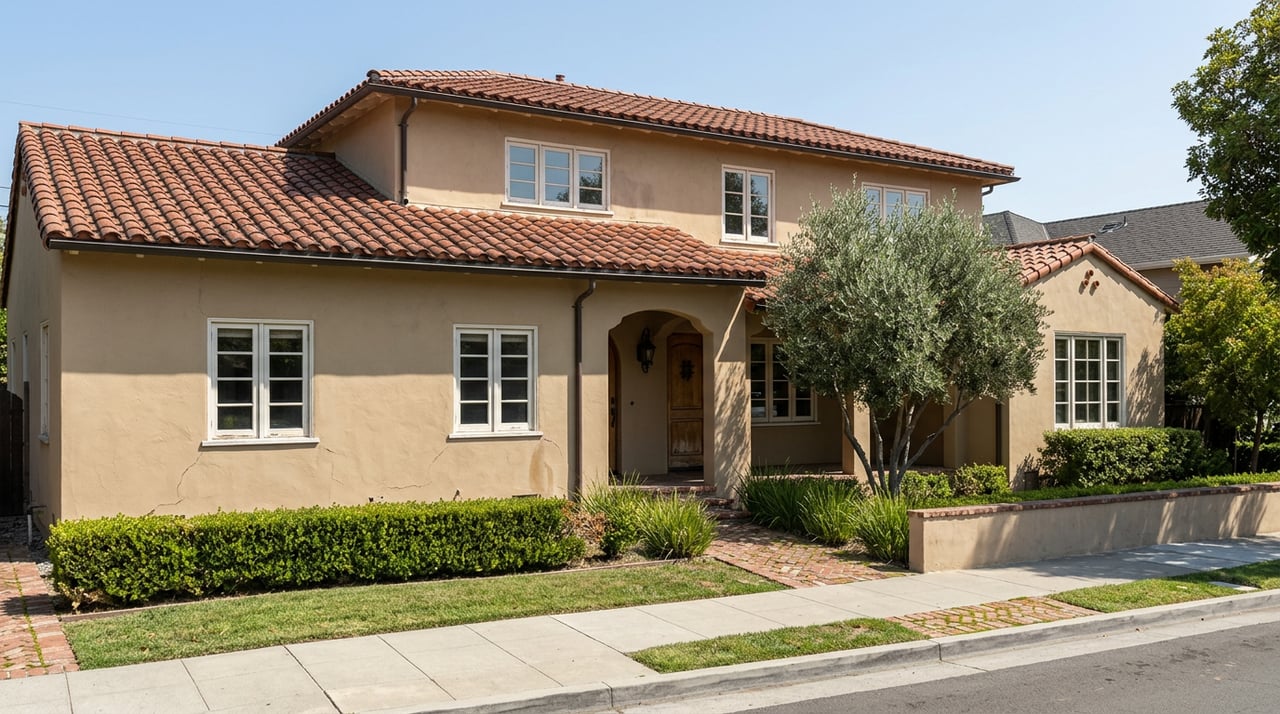
- Hillsides: a mix of mid-century ranch, Spanish or Mediterranean, and custom contemporary homes adapted to the slope. Historic Period-Revival examples also appear in foothill pockets like Rossmoyne and Brockmont.
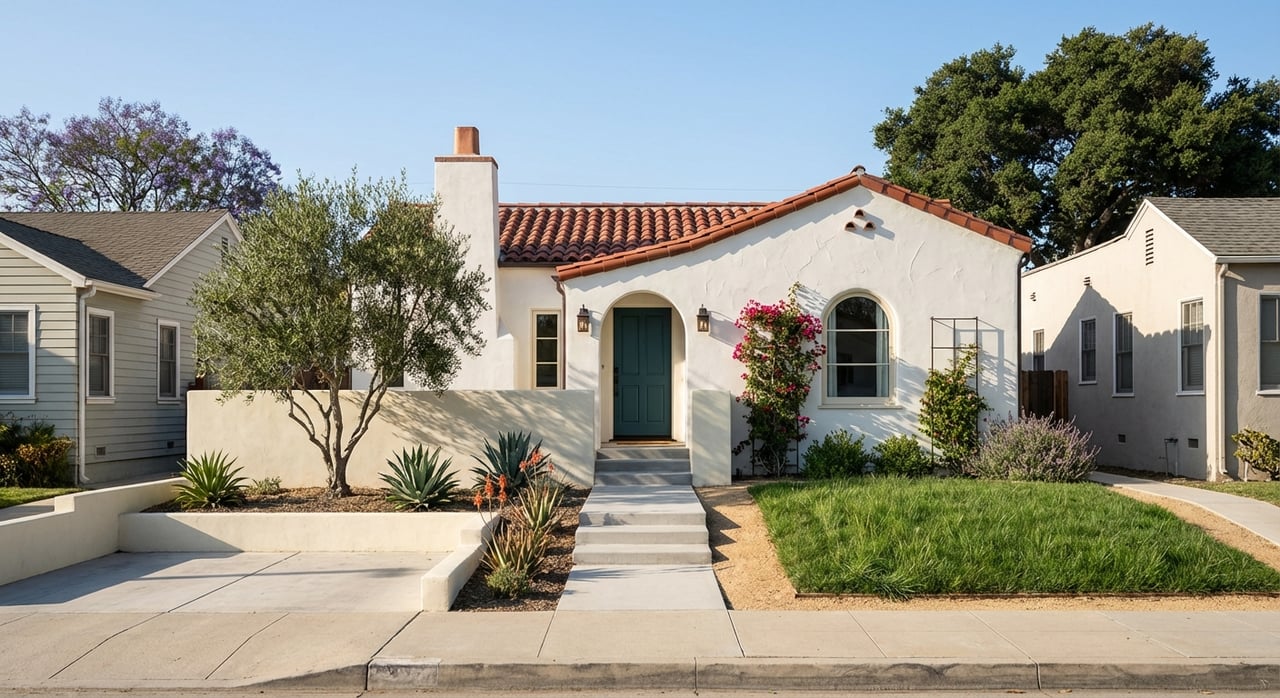
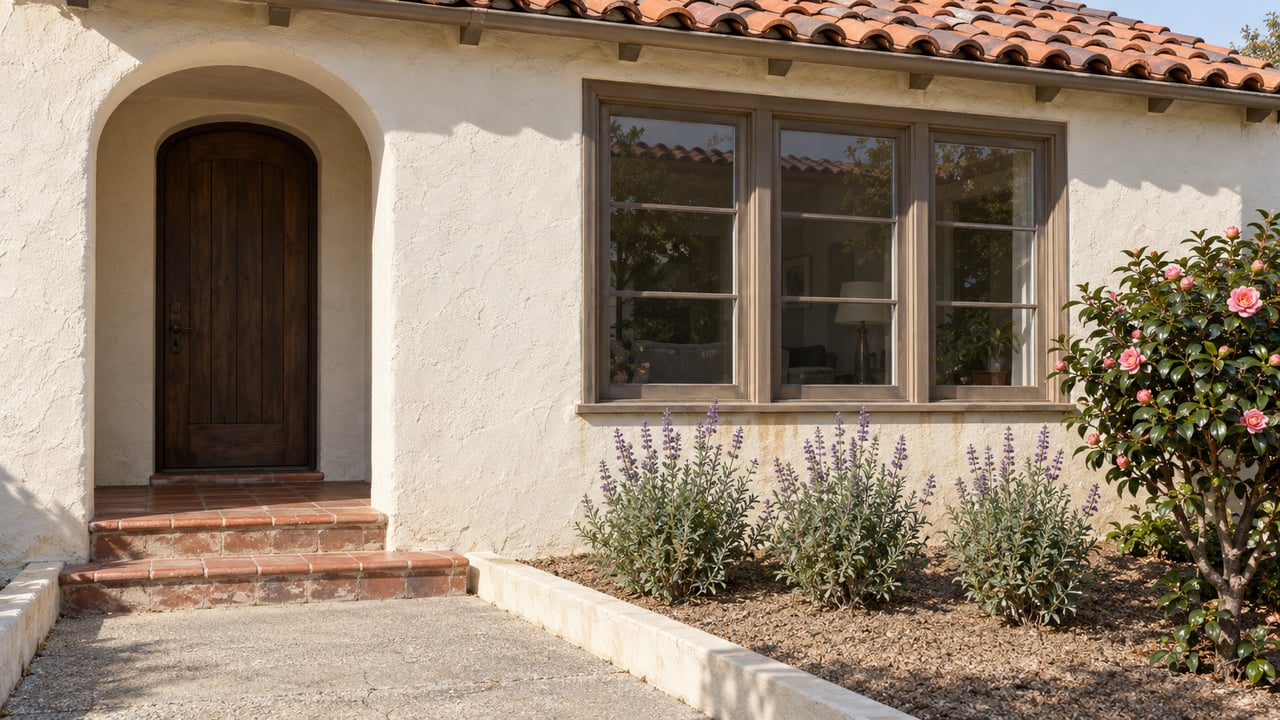
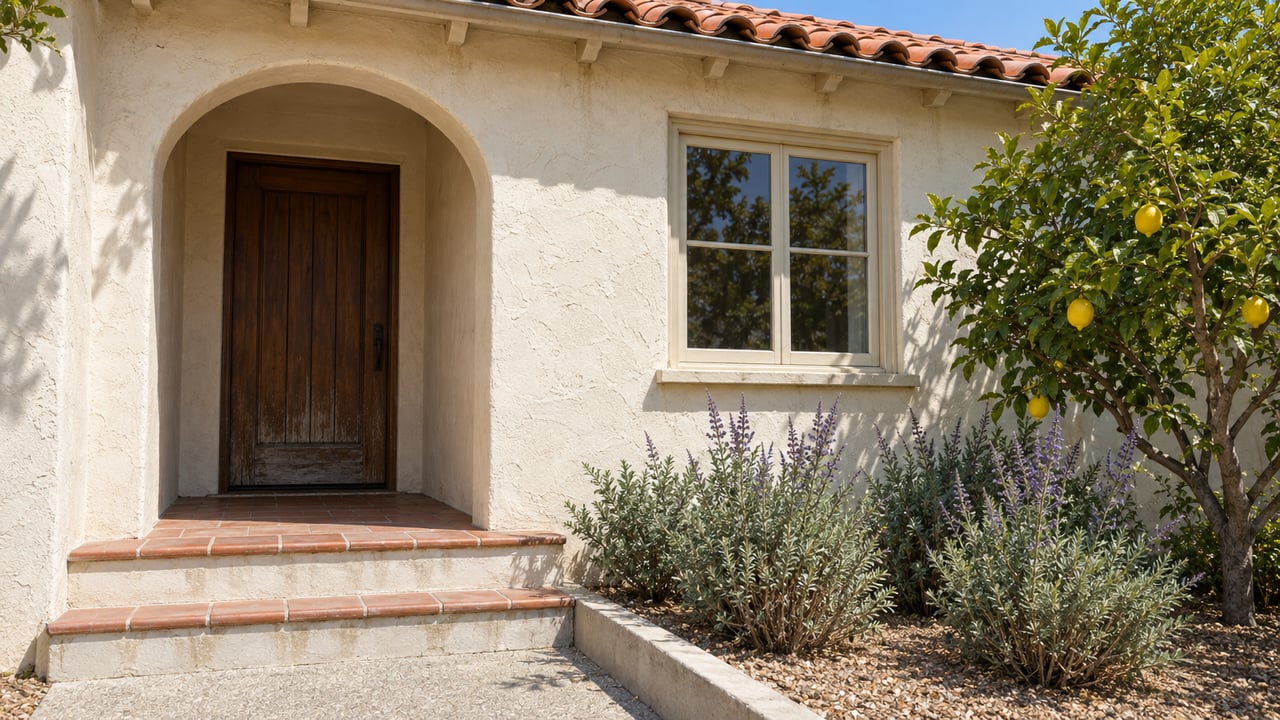
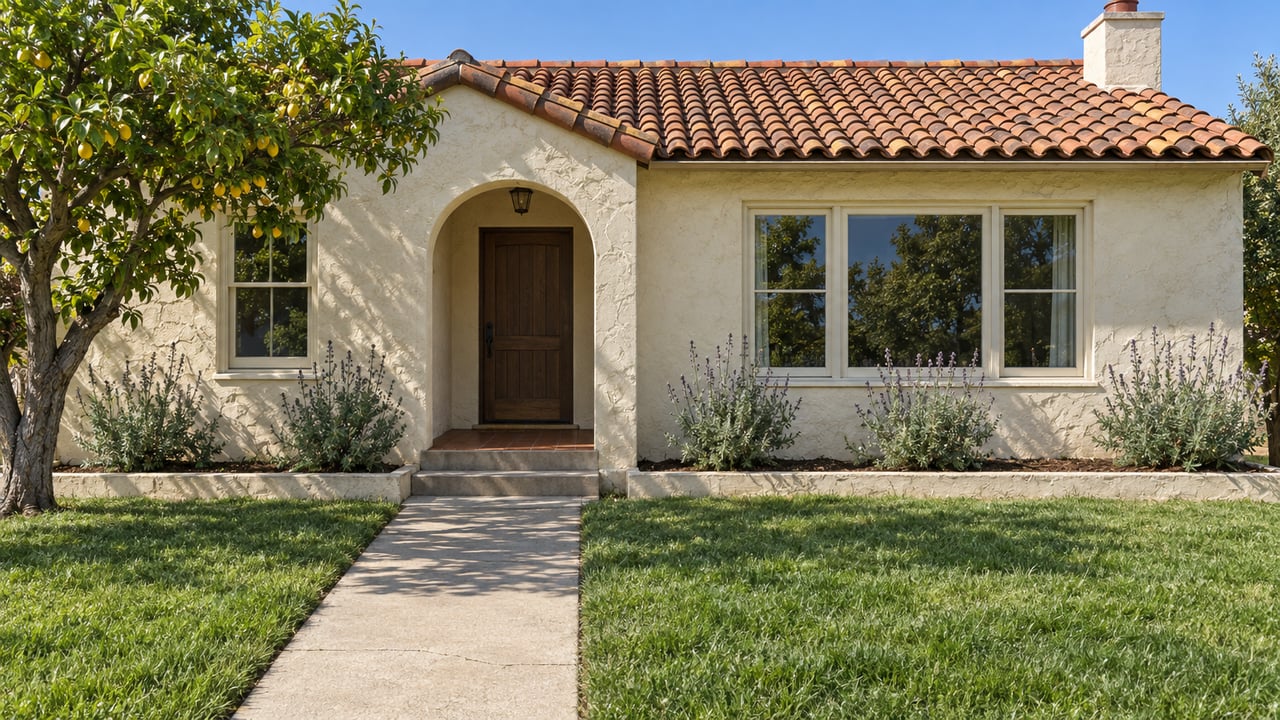
- Flats and village areas: more bungalows and smaller ranch homes, Spanish Revival cottages, and a higher share of multi-family and condo buildings near downtown and Montrose. Some neighborhoods have historic-designation considerations that influence exterior changes.
For preservation context and potential constraints, Glendale’s design guidelines and historic-district resources are helpful starting points. Browse the city’s design guidelines.
Lots, foundations, and access for trades
- Hillside lots are often irregular or terraced, with deeper foundations and retaining walls. Narrow streets, steep driveways, and limited equipment access can raise mobilization costs for remodels or pool projects.
- Expect geotechnical reports and grading permits for substantial slope work. Glendale uses hillside-specific design findings and review, so loop in your contractor and agent early to scope timeline and permitting.
Cost implications to consider
- Projects like pools, large additions, ADUs, and level lawns are typically simpler and cheaper on flat lots. Hillside work can run higher due to access, engineering, and retaining needs.
- That said, view and privacy premiums on the hills can support value over time. Every parcel is unique. Weigh your must-haves against the likely renovation pathway.
Regulations, hazards, and insurance
Wildfire zones and defensible space
Parts of Glendale’s hillsides are mapped as High or Very High Fire Hazard Severity Zones. Buyers and sellers in these zones should expect brush clearance requirements, possible landscape or fuel-modification plans, and transaction-time documentation like AB-38 defensible-space inspections. Start with the city’s Vegetation Management Program and the state’s FHSZ resources. Review Glendale’s VMP and learn about state FHSZ mapping.
Insurance underwriting realities
Insurers factor slope, vegetation, distance to hydrants, and fire response into their private risk models. If a property sits in a newly mapped Very High zone, you may need to document home hardening upgrades and shop carriers. The California Department of Insurance has published guidance that explains how FHSZ updates interact with availability and pricing. Read the consumer guidance.
Earthquake and slope stability
Glendale’s foothills meet the Verdugo Mountains, so expect parcel-specific geotechnical review for significant hillside construction or major remodels. If you are considering a steep-lot property, ask for prior geotechnical reports, permits for grading and retaining walls, and any slope-stabilization records. Your agent can help coordinate the due diligence.
Quick decision checklist for Glendale buyers
Use this list to compare hillside and flats candidates as you tour.
- Confirm parcel-level Fire Hazard Severity Zone status and whether an AB-38 inspection applies at sale. Start with state resources. Check the FHSZ guidance.
- Review Glendale’s Vegetation Management Program requirements if you are in or near hillside brush zones. See the city’s VMP.
- Ask for grading, retaining-wall, and drainage history plus any geotechnical reports or engineering letters on file. Reference the city’s design guidelines.
- Check walkability and transit for your daily needs. For example, addresses near 201 N Brand Blvd are highly walkable, and proximity to the Glendale Transportation Center boosts transit options. View transit info.
- Map your yard goals against the lot. Terracing, irrigation, and defensible-space maintenance are common in the hills.
- Confirm utility provider and reliability. Glendale Water & Power serves most of the city. Review GWP resources.
- Check Glendale Unified School District boundaries if school assignment matters to you. Visit GUSD.
Which Glendale lifestyle fits you?
Choose the hillsides if you value views, privacy, and trail access, and you are comfortable with more driving, brush management, and hillside-specific permitting. Choose the flats if you want walkability, easier guest parking, and simpler projects like pools or ADUs, and you are happy trading views for convenience.
If you are torn, tour both settings at the same time of day you would live your routine. Drive the route to work, try a grocery trip, and stand in the yard as late light hits the house. A few real-world tests will make the answer clear.
Ready to compare options block by block and weigh the permitting, preservation, and marketing angles for your next move? Reach out to Chris Cragnotti for guidance tailored to your goals.
FAQs
How do Glendale’s hillside design rules affect remodels?
- Glendale’s single-family design guidelines include hillside-specific findings, and major slope work can require grading permits and geotechnical reports. Plan extra time for review.
What wildfire steps should I expect in Glendale’s hills?
- Properties in High or Very High Fire Hazard Severity Zones typically need defensible-space maintenance and AB-38 inspection documentation at sale. Start with the city’s VMP and state FHSZ resources.
Is downtown Glendale truly walkable for daily errands?
- Yes. The Brand Boulevard and Americana area offers dense retail and services within a few blocks, plus transit connections at the Glendale Transportation Center.
Are pools and ADUs easier on the flats than in the hills?
- Usually. Flat lots simplify excavation, access, and foundation work, which can reduce cost and complexity compared with sloped sites.
How close are Glendale hillsides to hiking and open space?
- Very close. Many foothill pockets sit minutes from Verdugo Mountains trailheads and Deukmejian Wilderness Park, making before-work or weekend hikes easy.