What is the best way to know if Glendale is a fit for you? Walk it. When you slow down on residential streets, you notice porch lights, rooflines, and the way mature trees frame the sky. If you love character homes, this self-guided tour gives you five compact routes, easy architecture ID tips, and simple logistics so you can explore with confidence. Let’s dive in.
Before you go: quick plan
- Time it right: Morning or late afternoon offers softer light and cooler temps. A single loop takes 20 to 90 minutes.
- Parking: Most residential streets allow curb parking. Read posted signs and never block driveways. Village areas may have time limits.
- Transit: The Glendale Transportation Center connects Metrolink and regional buses. Local routes, including Glendale Beeline and LA Metro, link many neighborhoods. Check schedules before you head out.
- Accessibility: Montrose and parts of Rossmoyne are generally flatter. Expect steeper blocks in Chevy Chase Canyon and near the Verdugo foothills. Sidewalk width and continuity vary by block.
Route 1: Montrose Village stroll
Why go: A small-town main street feel with older single-family blocks tucked just off the commercial corridor.
Start: The Honolulu Avenue shopping district. Pick a central block, then wander a couple of side streets north and south before looping back.
Time and distance: 30 to 45 minutes. Add time for a coffee stop.
What to look for:
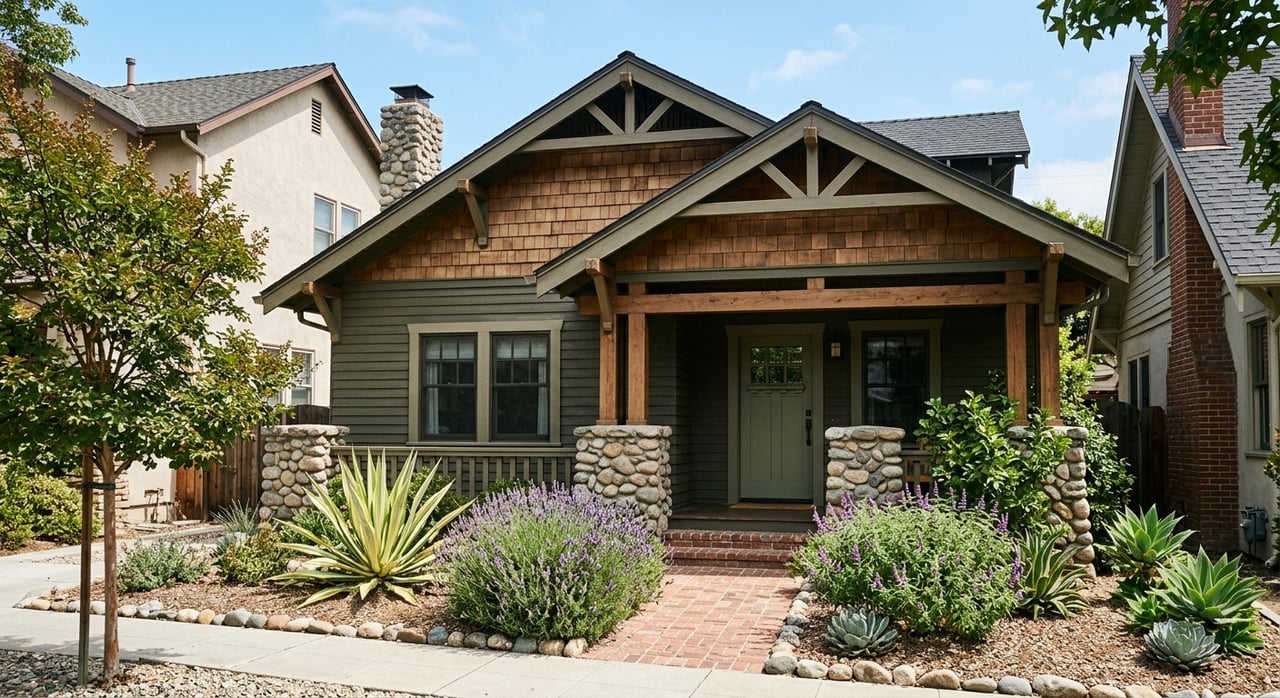
- Craftsman bungalows with deep porches and tapered columns.
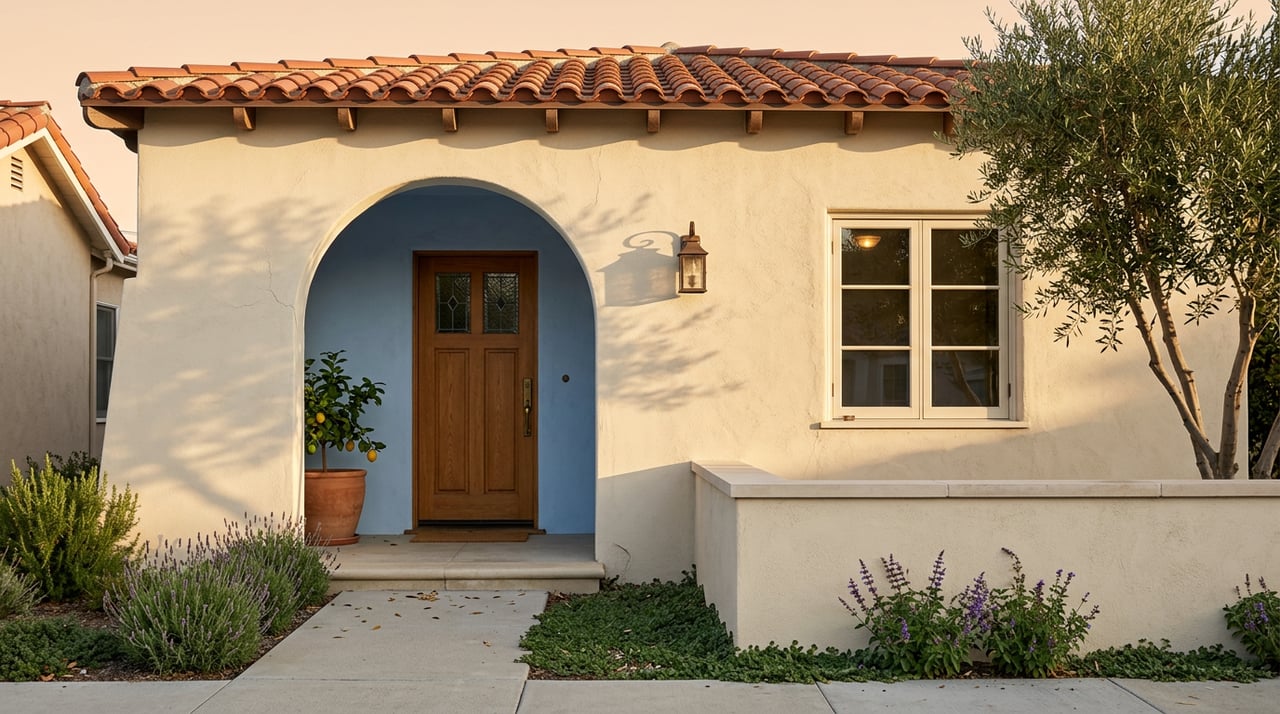
- Period Revival cottages with arched entries and stucco walls.
- Mid-century houses with wide eaves and large front windows.
- Narrow, tree-lined blocks that feel neighborly and calm.
Pause here: Choose from the cafés and small shops along Honolulu Avenue for a coffee or restroom break.
Route 2: Chevy Chase Canyon curves
Why go: Winding streets, canyon views, and hillside landscaping create a distinct, quiet character.
Start: The canyon base along Chevy Chase Drive. Pick a side street that climbs gently, then loop back on a parallel block.
Time and distance: 30 to 60 minutes, depending on elevation and pace.
What to look for:
- Mid-century ranch homes with low rooflines and picture windows.
- Natural rock or clinker-stone retaining walls and terraced yards.
- Native and Mediterranean plantings suited for hillside terrain.
Pause here: Look for a neighborhood café or small park near the canyon base to catch your breath.
Route 3: Rossmoyne classic blocks
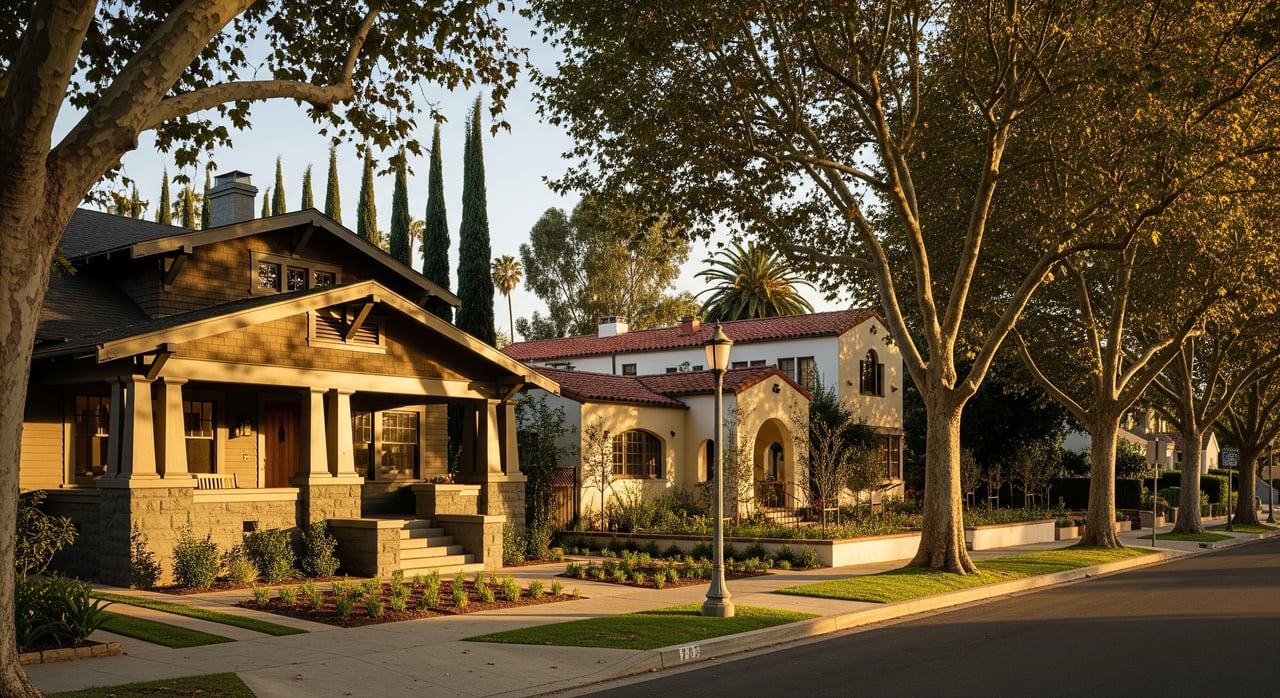
Why go: Consistent early 20th-century architecture and a calm, walkable grid that many consider quintessential Glendale.
Start: Rossmoyne Avenue near Rossmoyne Park. Walk a rectangle of a few blocks, then return to the park.
Time and distance: 45 to 60 minutes on mostly level streets.
What to look for:
- Craftsman bungalows with exposed rafters and wood trim.
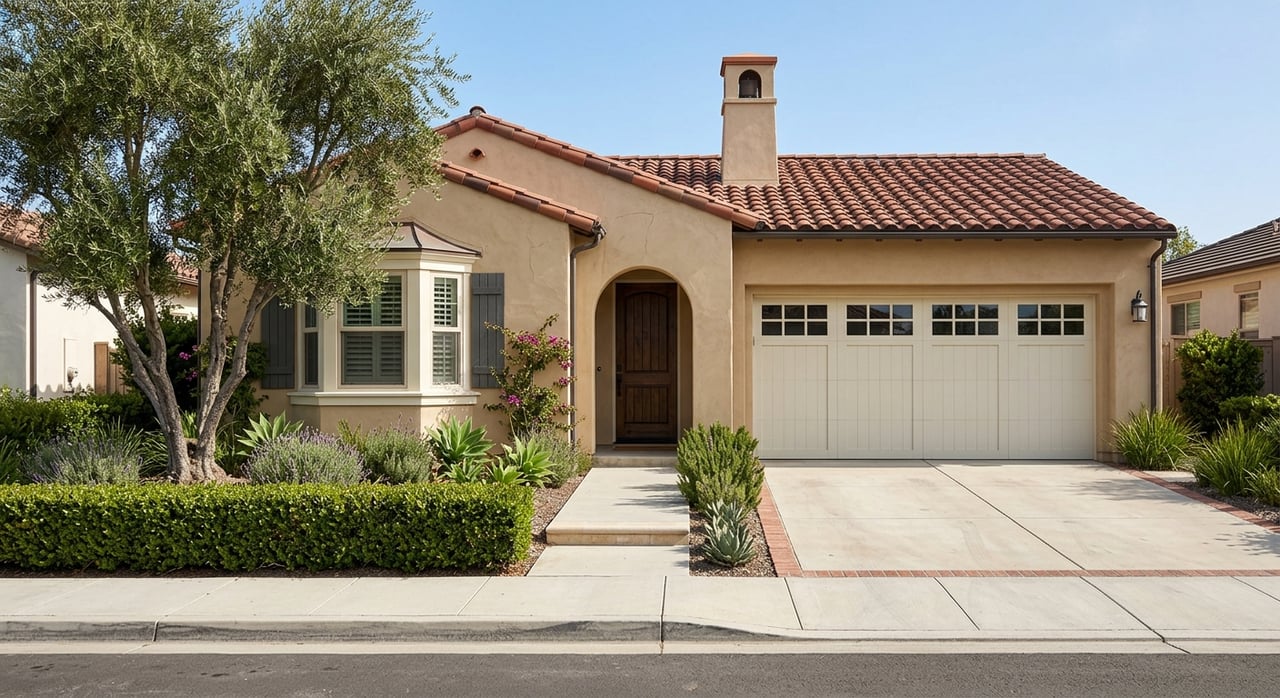
- Spanish Colonial and Tudor Revival details like red-tile roofs, arched entries, and steep gables.
- Clinker-brick chimneys, leaded-glass windows, and consistent front setbacks that create a harmonious streetscape.
Pause here: Use the park benches for a water break and a moment to take in the tree canopy.
Route 4: Brand Park and Adams Hill
Why go: A cultural landmark anchors older residential streets with mature landscaping and views.
Start: Brand Library & Art Center at Brand Park. Stroll park pathways, then take a short loop on nearby residential streets.
Time and distance: 45 to 90 minutes, depending on how much park time you add.
What to look for:
- Early 20th-century single-family homes in Craftsman and Period Revival styles.
- Mature jacaranda and palm species, plus established street trees.
- Short, hilly blocks with shifting viewpoints that frame the mountains and skyline.
Pause here: Explore the library’s exterior and grounds for historic context before or after your loop.
Route 5: Glenoaks and Chevy Chase Boulevard pockets
Why go: A clear look at the transition from a major corridor to quiet residential pockets with older homes and mid-century infill.
Start: Choose a short residential block just off Glenoaks Boulevard or along Chevy Chase Boulevard. Create a simple out-and-back or small rectangle.
Time and distance: 20 to 40 minutes.
What to look for:
- A mix of Period Revival homes alongside 1940s to 1960s houses.
- Mature shade trees and sidewalk-friendly blocks.
- How building scale steps down from the commercial corridor into the neighborhood.
Pause here: Use small services along the corridor for a quick snack or water refill.
Spot-the-style cheat sheet
Craftsman bungalow
- Low-pitched gabled roofs with wide eaves and exposed rafters.
- Tapered porch columns on masonry piers.
- Visible wood trim and porches that invite front-yard living.
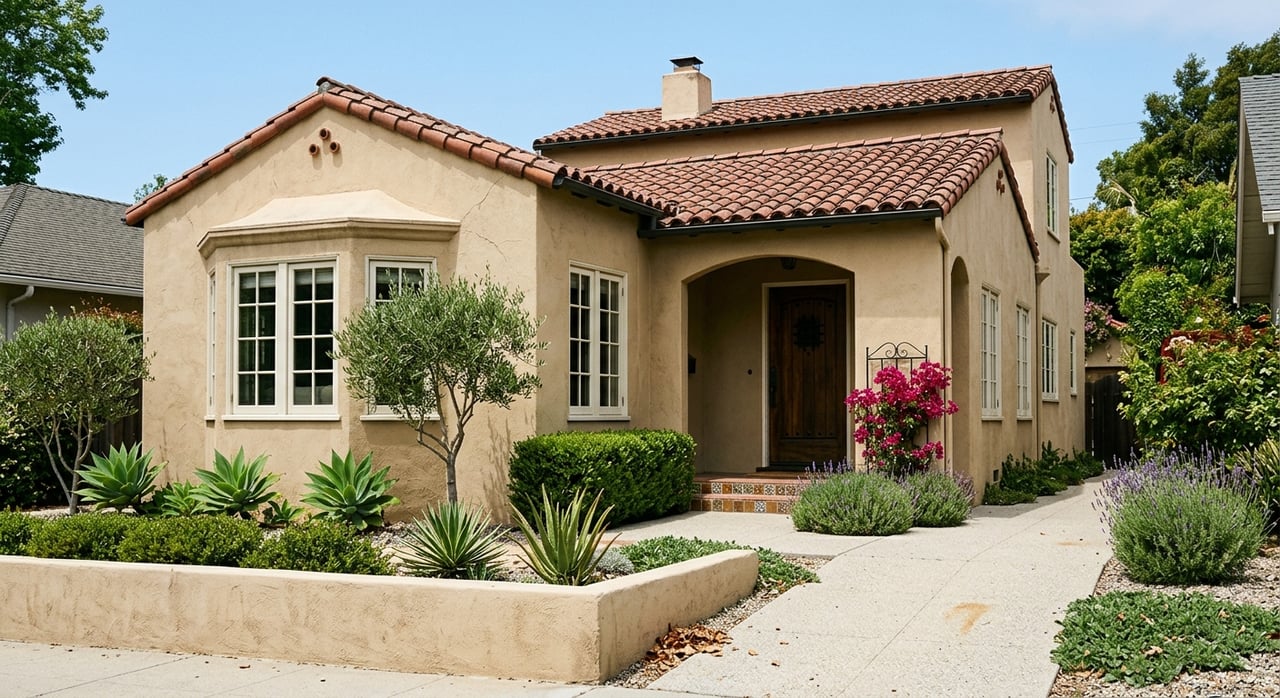
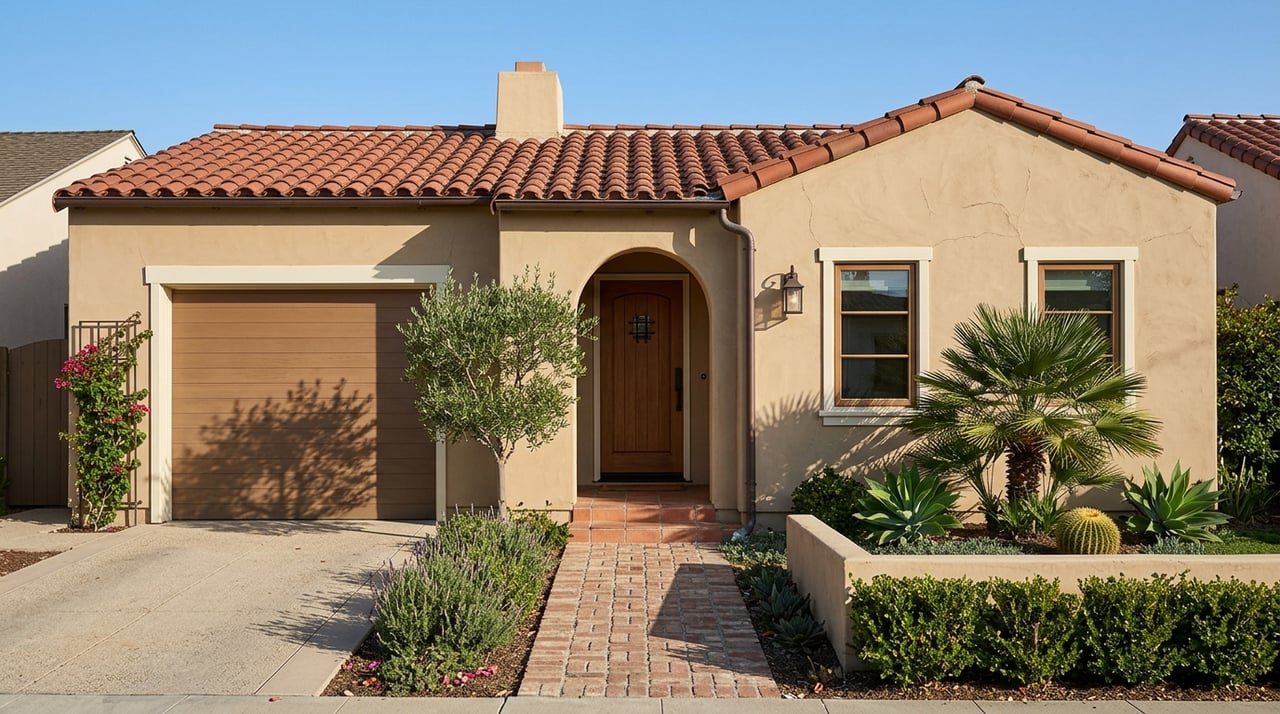
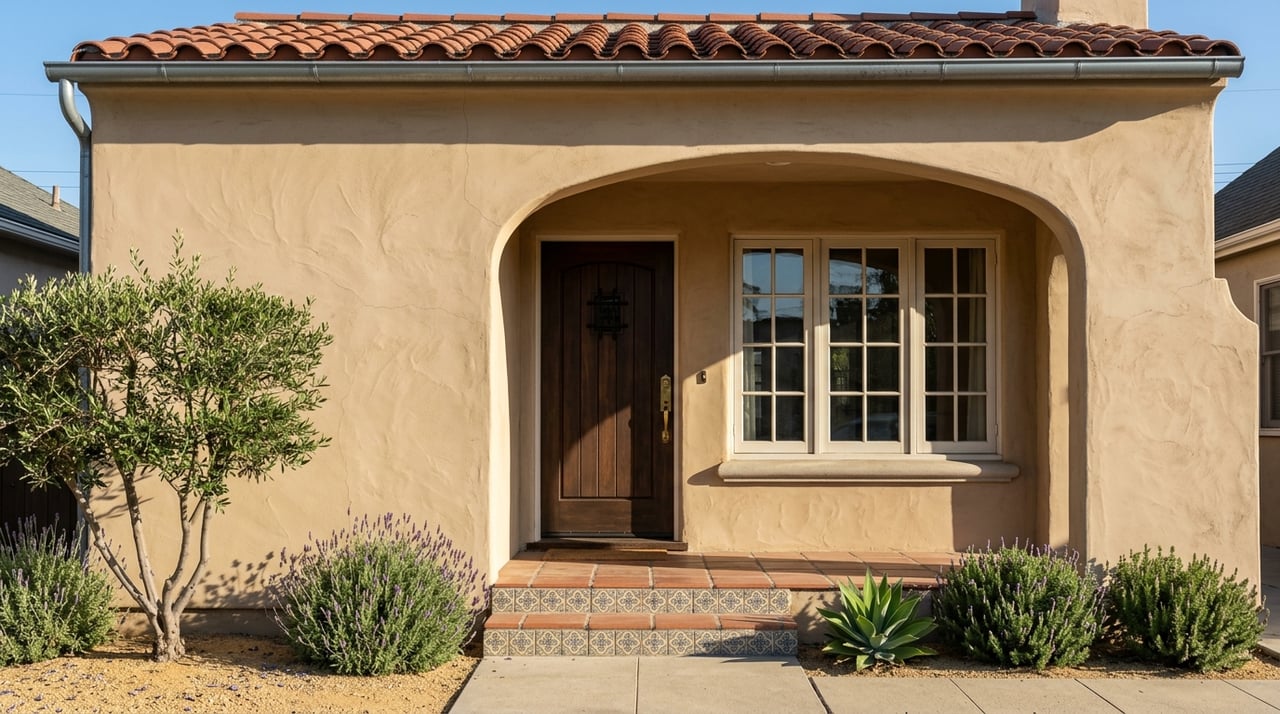
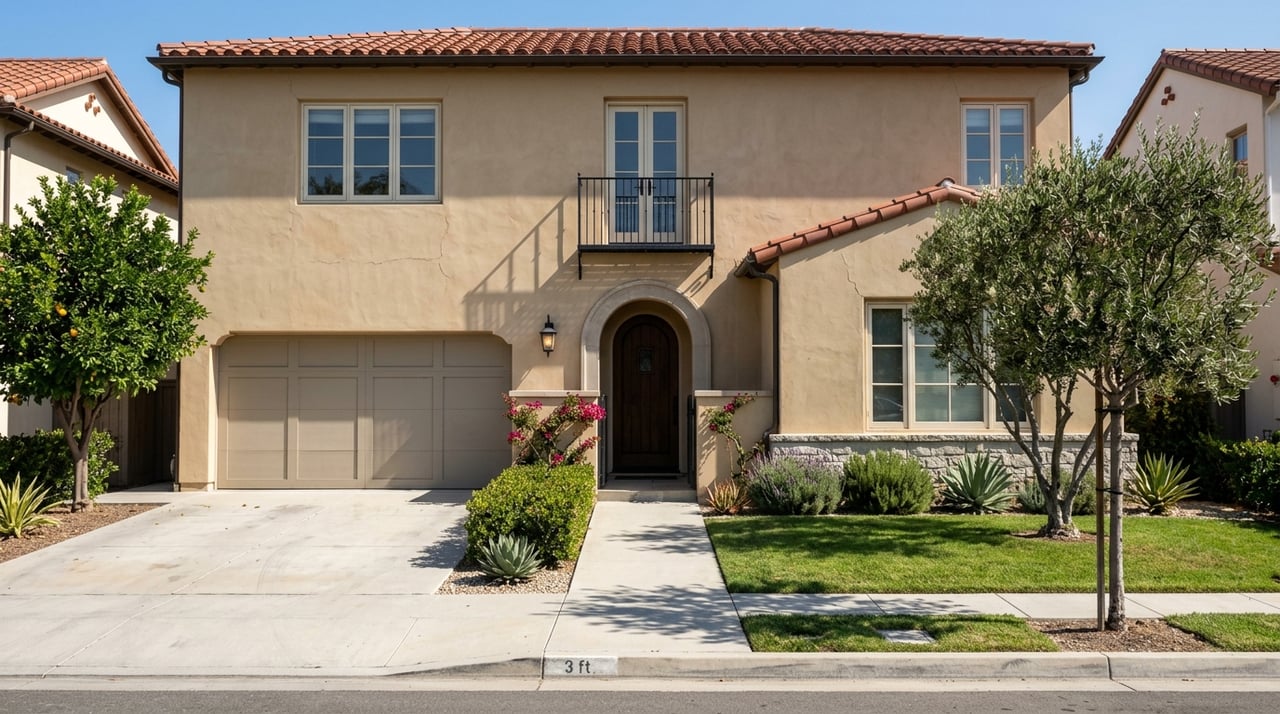
Spanish Colonial Revival and Mission
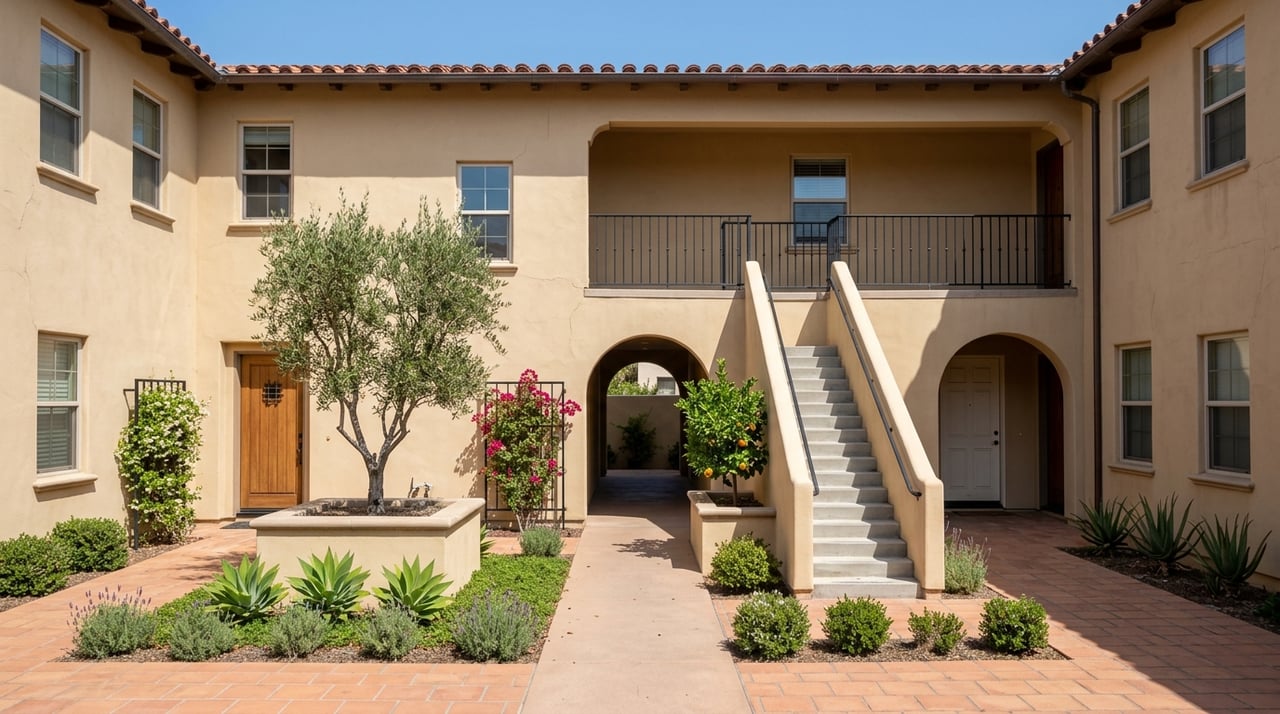
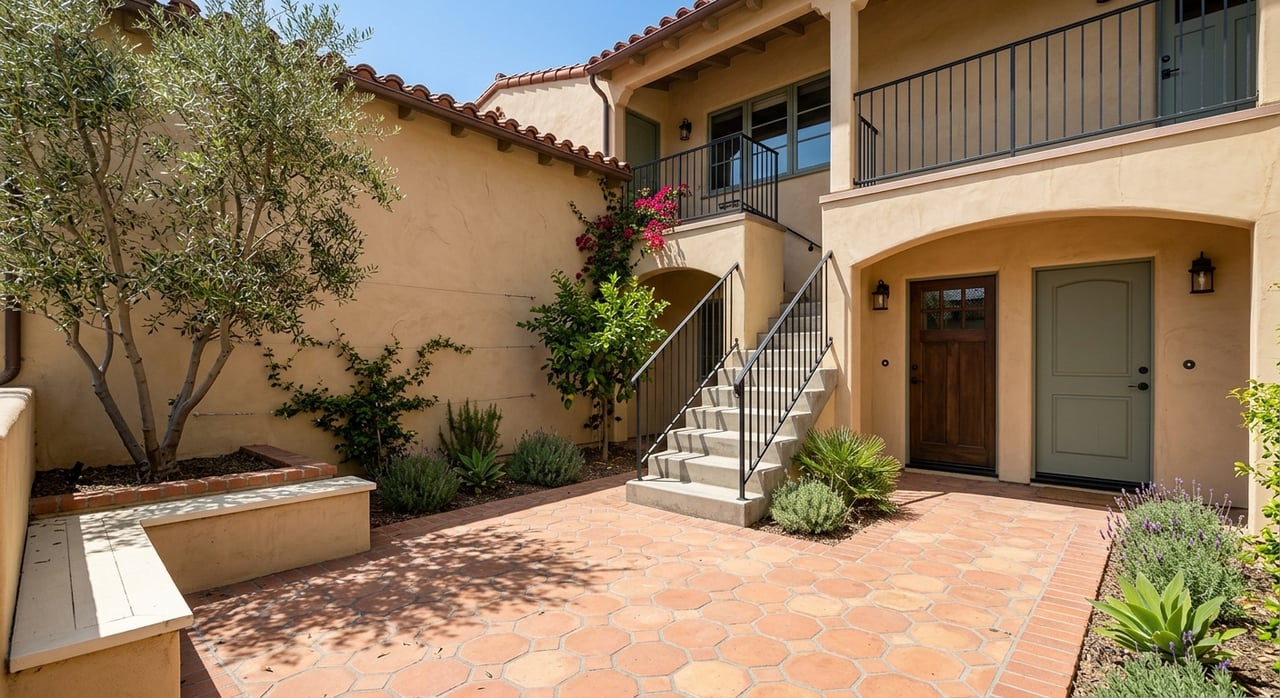
- Smooth stucco walls and red clay tile roofs.
- Arched entries or windows, often asymmetrical facades.
- Wrought-iron details and small tiled courtyards or stairs.
Tudor Revival and English Cottage
- Steeply pitched roofs and decorative half-timbering.
- Tall, narrow windows, sometimes with leaded glass.
- Brick or stone accents at entries and chimneys.
Mid-century Ranch and postwar suburban
- Single-story, long horizontal lines and low roof pitch.
- Large picture windows and attached garages or carports.
- Minimal ornament with a focus on indoor-outdoor flow.
Streetscape details to notice
- Mature trees: palm species, sycamore, ficus, jacaranda, and deodar cedar in some older yards.
- Front porches, stoops, and low stone or brick retaining walls.
- Terraced yards on hillside streets and planting strips between sidewalk and curb.
- Sidewalk width and on-street parking patterns that shape how the block feels.
Respectful walking etiquette
- Stay on sidewalks and respect private property. Do not enter yards or porches.
- Keep dogs leashed, pack out waste, and carry water on warm days.
- Be aware of traffic, use crosswalks, and avoid blocking driveways.
- Photography from public sidewalks is common. If you want close-ups beyond the sidewalk, ask for permission.
- For a first visit, explore in daylight and bring a walking buddy if you prefer.
Keep exploring and learn more
If today’s stroll sparks deeper curiosity, look into resources from the City of Glendale’s Planning Department and Historic Preservation Program, the Glendale Historical Society, and the Los Angeles Conservancy. Return in spring for jacaranda blooms or in fall for softer light and cooler evenings. You will notice new details each time.
Thinking about buying or selling a character home in Glendale or nearby Foothill communities? Connect with a local specialist who treats architecture and neighborhood legacy with care. Reach out to Chris Cragnotti to talk through your goals and next steps.
FAQs
How long do Glendale character-home walks usually take?
- Most short loops take 20 to 45 minutes, while larger neighborhood loops run 45 to 90 minutes depending on pace and terrain.
Where should I park to start these walking routes in Glendale?
- Most residential streets allow curb parking, but always read posted signs and avoid blocking driveways; village areas like Montrose may have time limits.
Are Glendale’s character-home neighborhoods safe for walking?
- They are generally pedestrian friendly, but use common sense: stay aware of traffic, explore in daylight on your first visit, and keep valuables secure.
Can I see inside homes on these Glendale routes?
- Private homes are not open to the public; look for open house signs if you want to tour interiors or contact the listing agent for an appointment.
Which Glendale routes are better for strollers or wheelchairs?
- Flatter blocks in Montrose Village and parts of Rossmoyne are typically easier; expect steeper sidewalks in Chevy Chase Canyon and near the foothills.
Where can I learn more about Glendale’s history and architecture?
- Explore materials from the City of Glendale’s Historic Preservation Program, the Glendale Historical Society, and the Los Angeles Conservancy for style guides and local context.