Outdoor Living Ideas for Classic Glendale Homes
May 14, 2026
May 14, 2026
If you own a classic Glendale home, your outdoor space can do more than look nice from the street. It can make your house feel more livable, more cohesive, and more appealing to future buyers without fighting the home’s original character. In a city where hot, dry summers meet preservation-minded design standards, the best outdoor upgrades are thoughtful, practical, and visually calm. Let’s dive in.
Glendale’s weather gives you a clear design direction. Using nearby Burbank Valley Pump Plant climate normals as a local proxy, the area averages 64.5°F annually, gets about 16.50 inches of rain per year, and sees almost no summer rainfall.
That means your outdoor living plan should focus less on heavy weatherproofing and more on comfort during warm, dry months. Shade, airflow, drought-tolerant planting, and durable surfaces usually matter more than features built for cold or wet conditions.
July and August average highs are 85.8°F and 88.3°F, while rainfall in those months is nearly zero. Winter rain is mostly concentrated from November through March, so your landscape and hardscape should handle occasional seasonal runoff without overbuilding the space.
For classic and historic Glendale homes, outdoor improvements work best when they support the architecture instead of competing with it. Glendale’s historic guidance emphasizes compatibility with the home’s historic materials, features, size, scale, proportion, and massing.
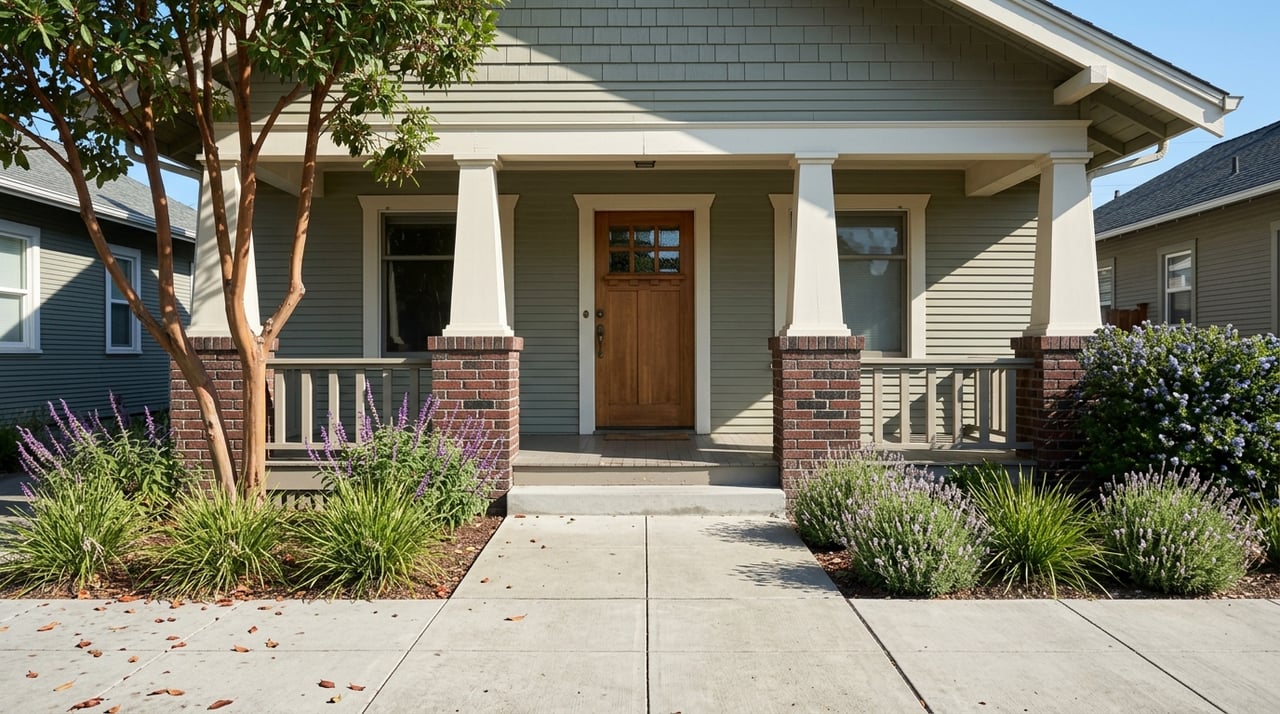
In practical terms, that usually means simple, well-placed upgrades. A repaired front porch, a modest patio, a light pergola, warm lighting, and planting beds that follow the home’s existing lines often feel more natural than a large, highly designed backyard installation.
This matters even more if your home is in a historic district or on the Glendale Register. Exterior work visible from the public right-of-way may be reviewed under the city’s preservation standards, so restraint often creates both a better design result and a smoother planning process.
The most appealing outdoor living ideas are often the simplest ones. Buyer preference data points to strong interest in features like exterior lighting, patios, front porches, rear porches, and decks.
That does not mean every yard needs every feature. It means buyers tend to respond to outdoor spaces that feel finished, useful, and easy to enjoy.
For many Glendale homes, that can look like:
A new patio has also remained a common outdoor project in recent years. If you are improving your home for daily life or preparing to sell, a well-proportioned patio often adds more practical value than a highly customized feature that may not suit the next owner.
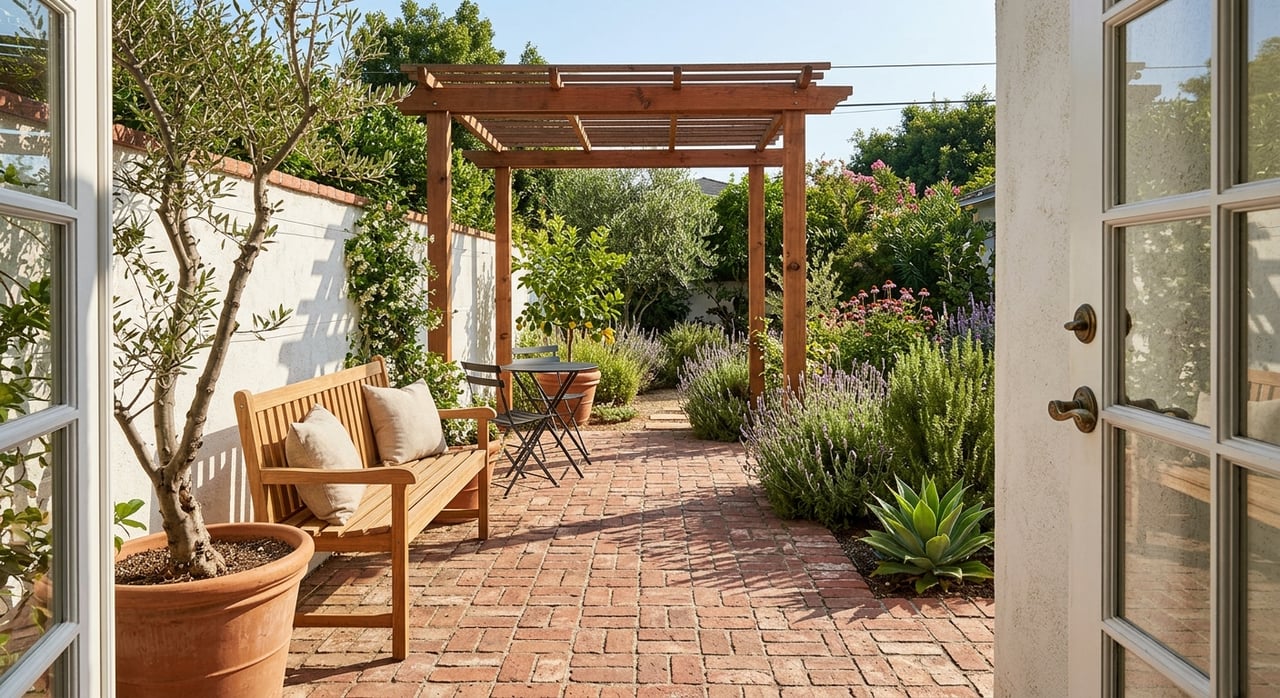
In Glendale, shade is not a luxury. It is one of the most useful outdoor features you can add. Because summers are hot and dry, covered seating areas can make your yard much more comfortable for everyday use.
For a classic home, the key is choosing shade structures that feel secondary to the main house. A light pergola or trellis often works better than a bulky enclosure, especially when the design echoes the home’s scale and materials.
If your home has strong period details, keep the structure visually quiet. The goal is to create relief from the sun while preserving the visual hierarchy of the property.
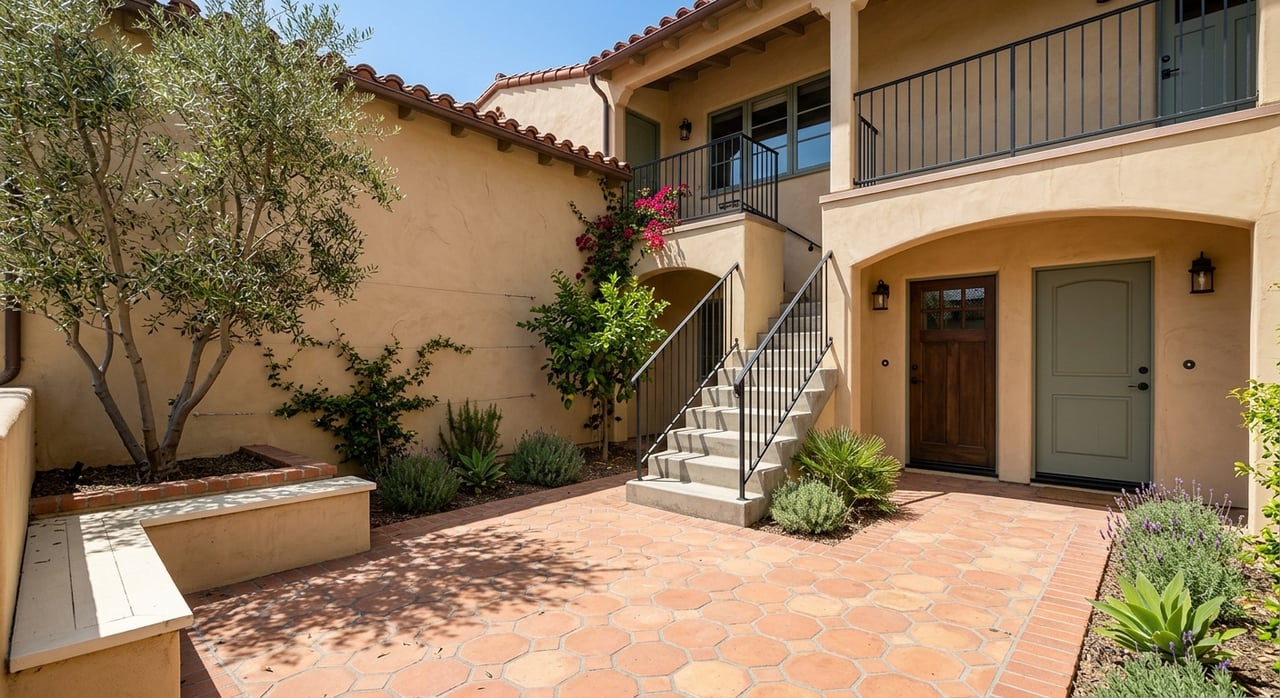
A patio can be one of the strongest outdoor upgrades for a Glendale home, but size and placement matter. Glendale’s historic guidance notes that large paved areas visible from the street are generally inappropriate.
That makes a measured approach especially important for character homes. Rather than expanding hardscape as far as possible, focus on creating a patio that is clearly defined, easy to furnish, and connected naturally to the house.
A good patio should feel intentional, not oversized. In many cases, a smaller terrace or seating pad that preserves planting areas and original site features will feel more consistent with the property and more attractive over time.
Outdoor design in Glendale should respond to both climate and water use. California’s Department of Water Resources notes that about half of household water use is outdoors and recommends drought-tolerant planting and turf replacement.
The same guidance says a drought-tolerant native garden can use 85% less water per year than a traditional turf and high-water-use landscape. For many homeowners, that makes water-wise landscaping one of the smartest long-term upgrades available.
You do not need to turn your yard into something stark or overly modern. A water-wise landscape can still feel lush, layered, and true to the house, especially when it uses planting beds, texture, and simple paths to reinforce the home’s original layout.
Practical ideas include:
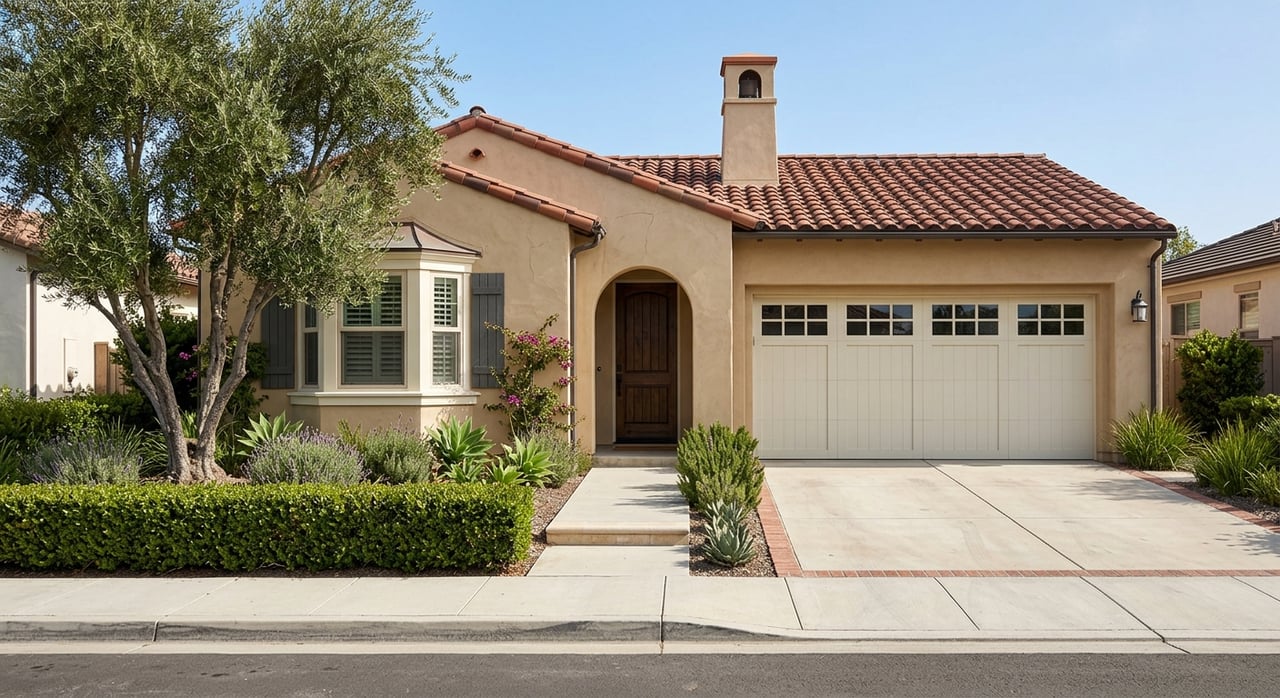
If you are thinking about resale, the front yard deserves special attention. Buyer research consistently shows that curb appeal matters, and most real estate professionals recommend improving it before listing.
For classic Glendale homes, curb appeal is rarely about adding more. It is usually about clarifying what is already good about the house.
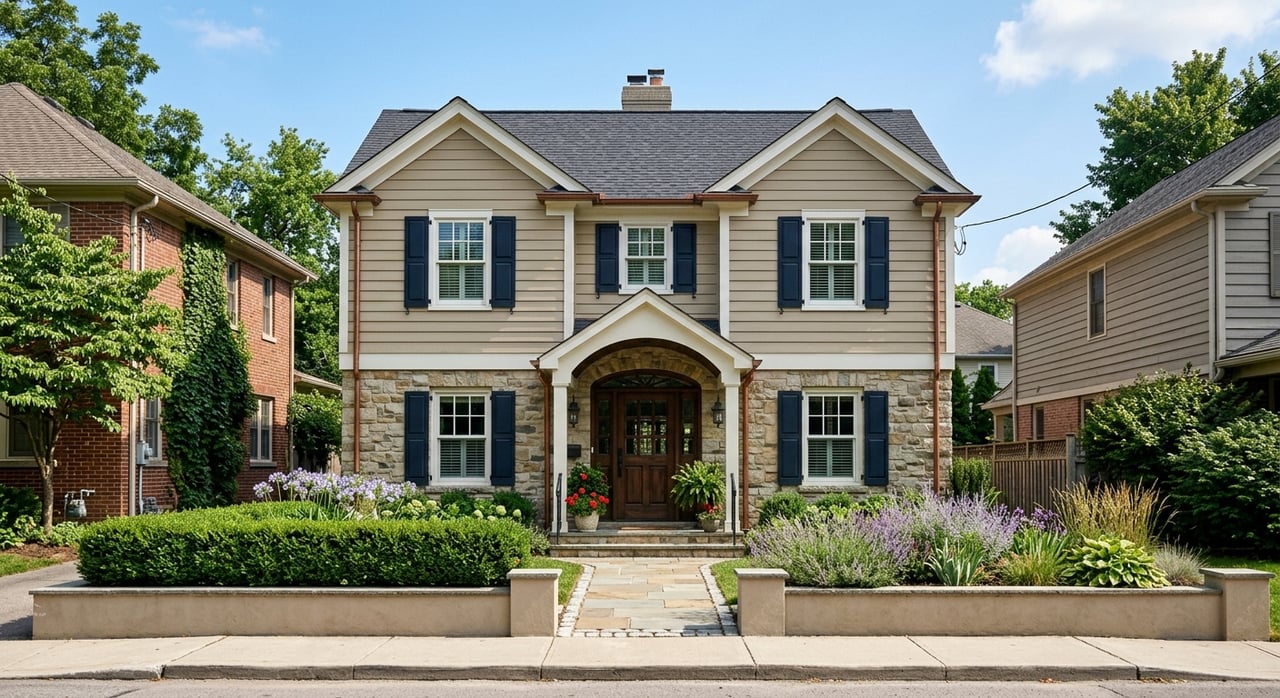
That can mean repairing a porch, refreshing lighting, cleaning up the walkway, simplifying planting, or making the entry sequence easier to read from the street. When the front yard feels cared for and architecturally consistent, the whole property benefits.
One of the easiest mistakes with outdoor renovations is treating a classic house like a blank canvas. In Glendale, buyers often respond well to outdoor spaces that feel usable and polished, but that does not mean every trend will fit every property.
Highly contemporary enclosures or overly dramatic hardscape can clash with older homes. Buyer research also suggests caution around features like glass walls, which may feel out of place on a traditional property.
A better approach is to let the architecture lead. If the home has historic charm, your outdoor plan should strengthen that feeling instead of trying to reinvent it.
Classic Glendale homes often come with site details that quietly shape their appeal. Original driveway locations, curb cuts, retaining walls, and other landscape features can contribute to a property’s overall character.
Glendale’s guidance encourages preserving these kinds of features when they help define the setting. Even when you are making practical upgrades, it is worth stepping back and asking which elements already give the property its sense of place.
This is one of the biggest differences between a generic makeover and a thoughtful one. Preserving the right details can make a home feel more authentic, more grounded, and more marketable.
Outdoor projects in Glendale can involve more review than homeowners expect. The city specifically flags patios, trellises, BBQs, decks, and other outside features in its permit guidance.
Applicants may need to verify setbacks and lot coverage, and submit a full site plan, elevations, and a photo survey. When applicable, Design Review Exemption approval is also needed before applying for a building permit.
If your property is in a historic district or on the Glendale Register, the Historic Preservation Commission reviews work on the property instead of the Design Review Board. That makes early planning especially important for homes with preservation considerations.
The city also asks applicants to show city trees in the parkway or right-of-way and certain native trees within 20 feet of the property on plans for patios, trellises, BBQs, decks, and similar features. For front-yard or parkway work, Glendale may also require a Parkway Landscaping Permit depending on the scope.
If you are refreshing the area between the sidewalk and street, Glendale has specific standards. The city requires a Parkway Landscaping Permit for anything over 12 inches high in the parkway, including plants and decorative rocks.
There is also flexibility for grass replacement. Glendale allows grass to be replaced with plantings plus pavers, decomposed granite, gravel, or wood chips without a permit, as long as living plant material covers at least 30% of the parkway.
The city encourages California-friendly drought-tolerant planting. That means you can improve appearance and water efficiency while staying within a framework the city already supports.
If you want a short list of upgrades that tend to make sense here, start with improvements that are climate-smart, character-compatible, and easy to use.
The strongest ideas often include:
These upgrades tend to work because they respect both the climate and the home. They help outdoor space feel finished while keeping the property’s original character intact.
When you are preparing a character home for sale, small, thoughtful outdoor changes can also support stronger presentation. At G&C Properties, that kind of detail matters because buyers notice when a home feels cohesive from the street to the backyard. If you are thinking about improvements before listing, Chris Cragnotti can help you weigh what fits your home, your block, and your goals.
Stay up to date on the latest real estate trends.
When you’re ready to make a move — we’re here to make it meaningful, seamless, and fully aligned with your goals. From first steps to final signatures, we’re by your side