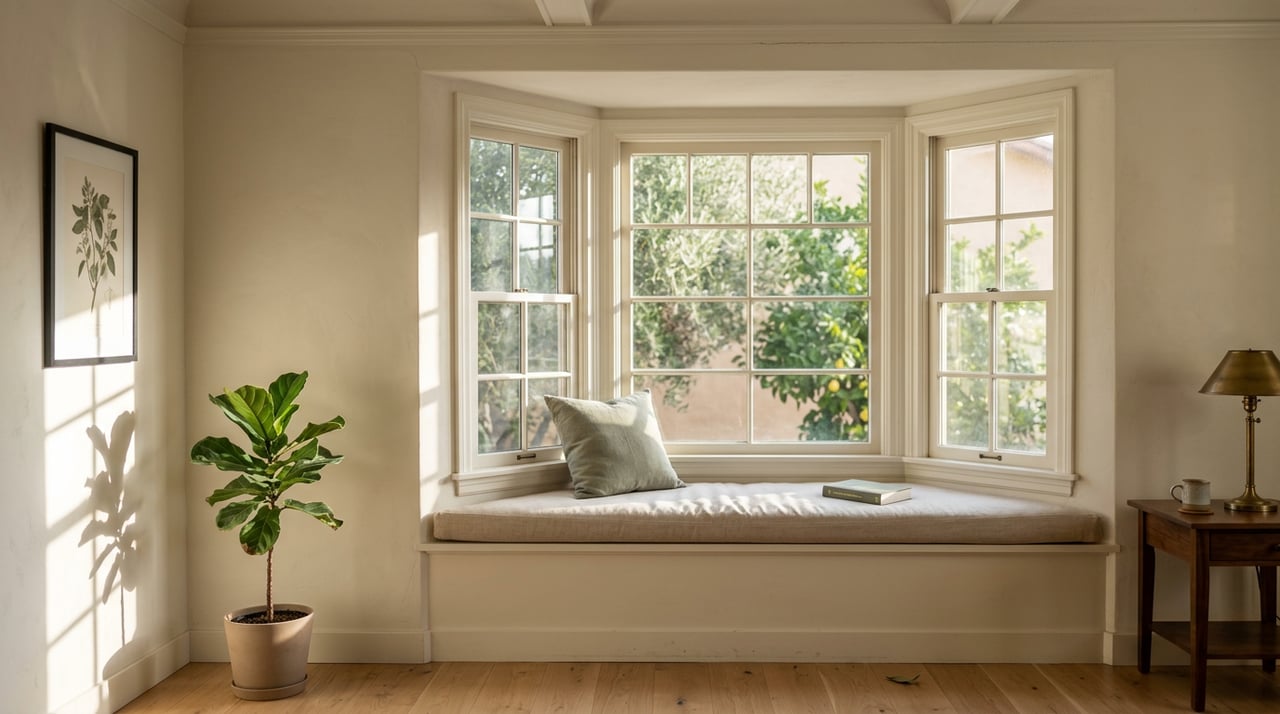
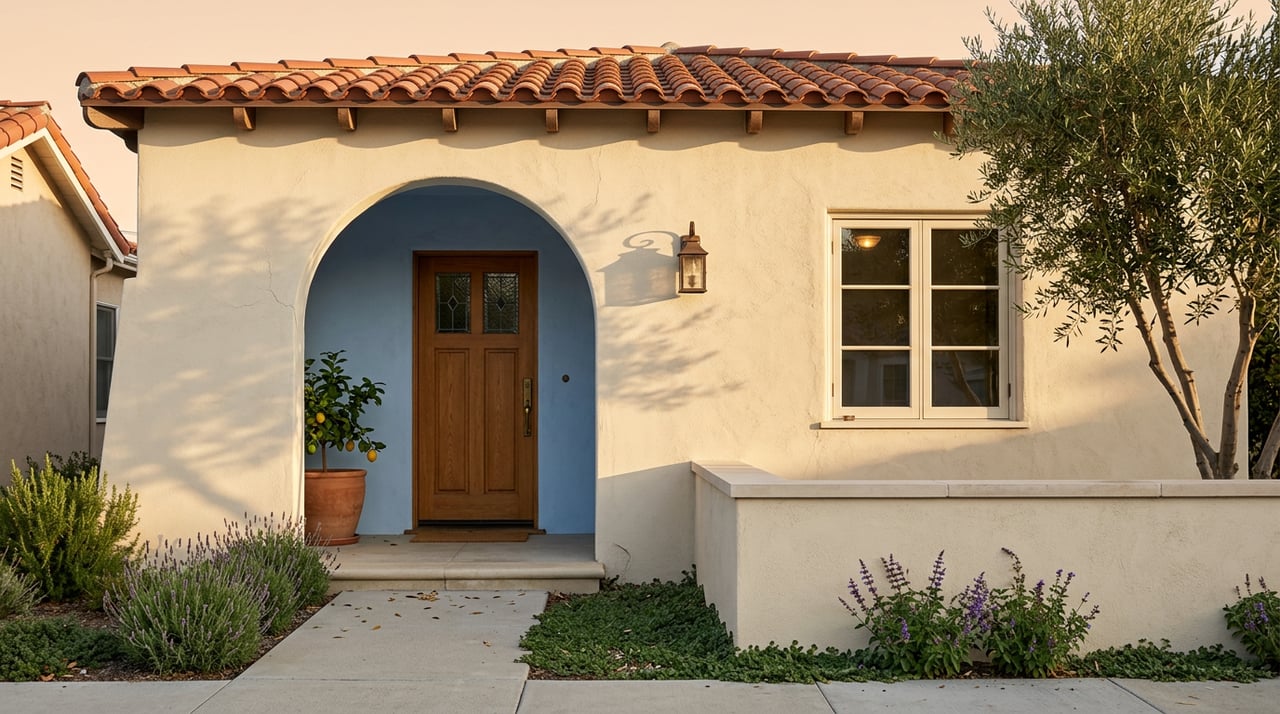
Thinking about selling your character home in Glendale but unsure where to start? Historic and older homes shine when you plan ahead, protect original features, and meet local rules with confidence. In this guide, you’ll see two clear timelines, the vendors to line up, and the documents to gather so you can move from idea to closing with fewer surprises. Let’s dive in.
First, know Glendale’s rules
If your home is on the Glendale Register of Historic Resources or in a local historic district, exterior work that is visible from the street usually requires design review. Work that follows guidelines may be approved by staff, while changes outside the guidelines may go to the Historic Preservation Commission for a public hearing. These steps can add weeks or months, so build them into your plan. See the City’s overview of the Glendale Register and historic districts and the Planning Department’s historic preservation program and ordinances.
If a Mills Act contract applies, you must understand the rules before you market the tax benefit. The Mills Act is a California program that can lower property taxes in exchange for preservation commitments, and local governments manage participation. Learn how it works in the Mills Act program overview and confirm any contract status with the City before advertising it.
Sellers of most one to four unit homes in California must complete the Transfer Disclosure Statement under Civil Code Section 1102.6. If you accept an offer within 18 months of acquiring the home, Assembly Bill 968 adds new requirements to disclose contractor-contracted work and provide permit copies or contractor details. Review the AB 968 bill text so you can collect paperwork early.
For pre-1978 homes, federal law requires you to provide the EPA/HUD lead hazard pamphlet, disclose known lead-based paint information, and allow buyers a 10-day period to test. See the EPA lead-based paint disclosure rule for details.
When repairs touch historic materials, the California Historical Building Code can offer compliance alternatives that protect character while meeting safety goals. Ask your design team about using the State Historical Building Code where appropriate.
Tip: Call Glendale’s Historic Preservation Planner to confirm your home’s status and any design review steps before you schedule work. The Planning Department’s preservation page lists current contacts and resources.
Two timeline options
Choose the pace that fits your goals. If you want to restore details, clear permits, and present a polished story, use the preservation-first plan. If you need speed, the accelerated path focuses on essentials and clear disclosures.
6 to 9 months: Preservation-first plan
Months 6 to 9: Research and budget
- Hire a preservation-aware listing agent and schedule an on-site consult. Ask your agent to confirm register or district status and whether any exterior work will trigger design review.
- Build an archival packet with deeds, past permits, contractor receipts, surveys, and any Glendale Register paperwork. If you bought recently, flag AB 968 items so you can collect contractor and permit details early.
- Order pre-listing inspections to reduce surprises. Start with general home, termite or WDO, roof, electrical, and HVAC. For pre-1978 homes, add lead and asbestos screening as needed.
Months 4 to 6: Design review, permits, repairs
- If exterior work affects character or is in a district, submit design review and permit packages as soon as your scope is set. Where it fits, coordinate with a preservation architect to use State Historical Building Code alternatives that protect historic fabric.
- Hire specialty contractors experienced with plaster, period windows, historic roofing, and conservation-grade paint. If you need to legalize unpermitted work, meet with Building and Safety to map a retroactive permit route and timeline.
Months 2 to 3: Finish, stage, document
- Complete permitted repairs and high-value, reversible upgrades like safety items, mechanicals, termite treatment, and roof stabilization. Avoid irreversible changes to character-defining features unless approved through design review.
- Write a short house history and a room-by-room list of period features. Assemble disclosures: the Transfer Disclosure Statement, AB 968 documentation if applicable, the EPA lead pamphlet and addendum, permit copies, WDO report, and any Mills Act contract.
- Book preservation-sensitive staging and professional photography that highlights details. Plan for controlled showings if interiors are fragile.
Month 0: List, show, negotiate, close
- Launch with a clear preservation story, verified facts, and an organized documents packet for qualified buyers. Start private showings and limited open houses where appropriate.
- Manage inspection contingencies and negotiate credits or repair escrows as needed. Typical California escrows are about 30 to 45 days, though complex permit or repair items can extend timelines.
8 to 12 weeks: Accelerated as-is plan
- Schedule an immediate agent consult and quick pre-list inspections focused on roof, WDO, electrical, and major safety items. Declutter, deep clean, and make small cosmetic fixes only.
- Gather permits, contractor names, and invoices so you can meet TDS obligations and any AB 968 requirements at the time of listing.
- Market transparently as an as-is historic home and disclose known defects or unpermitted work. Expect requests for credits and be ready to use escrow holdbacks when practical to keep closing on track.
Pre-listing checklist and vendors
- Preservation-aware listing agent. Look for Glendale experience and knowledge of the historic preservation program and ordinances.
- Preservation consultant or architect. Helps prepare design packages, write significance statements, and apply State Historical Building Code alternatives.
- Licensed general contractor with historic skills. Keep invoices and permit copies to support AB 968 and TDS disclosures.
- Structural engineer, termite or WDO inspector, and roof inspector. Older homes often have hidden conditions that buyers will find.
- Lead and asbestos testing for pre-1978 homes. Provide the EPA lead pamphlet and disclosures and keep any test and abatement reports with your packet.
- Professional photographer and staging team that understands historic interiors and avoids covering character features.
Marketing that honors the house
- Verify the basics. Confirm year built, architect if known, and designation status using the City’s Glendale Register guidance. If a Mills Act contract exists, confirm terms before advertising.
- Tell a preservation story. Highlight original windows, built-ins, hardware, tile, and trim in bullet form. Include detail photography that buyers can study.
- Protect fragile spaces. Use private showings for sensitive interiors, set simple house rules, and provide clear guidance for inspectors and appraisers.
- Reach the right audience. Share through preservation-minded channels and local history groups along with mainstream marketing.
Offers, inspections, and escrow
Deliver complete disclosures early. Provide the Transfer Disclosure Statement, any AB 968 materials, and the EPA lead pamphlet before or at offer to reduce delays.
Unpermitted work can affect underwriting and appraisal. Some lenders may exclude unpermitted square footage from valuation or require retroactive permits or escrowed repairs. Clearing permit history or providing a clear inspection and permit record up front reduces risk and often speeds approval.
Historic designation can influence value in different ways. Academic research shows mixed but often positive neighborhood effects, with outcomes depending on local demand and ordinance limits. Help the appraiser by sharing nearby historic comps and providing invoices and permits to support improvements. See a summary of the literature in this journal article abstract.
Escrow timelines vary by lender and scope. Many Glendale sales close in about 30 to 45 days. If you need time to finish work, consider a longer close or an escrow holdback.
Documents to gather now
Ready to plan your sale?
Selling a historic Glendale home is about stewardship and strategy. With the right preparation, you can protect the home’s story and still deliver a smooth, strong result. If you want a preservation-minded plan and hands-on vendor coordination, connect with Chris Cragnotti to map a timeline that fits your goals.
FAQs
How long do Glendale approvals take for exterior work?
- If your home is on the Glendale Register or in a district, exterior changes visible from the street need design review. Staff can approve guideline-compliant work, while other items may go to the Historic Preservation Commission. Timelines range from weeks to months, so confirm current schedules with the City’s historic preservation program.
Should I restore or modernize before selling a historic home?
- Modest, safety-focused, and reversible repairs usually build buyer confidence. Removing character elements can shrink your buyer pool. Glendale’s guidance encourages preserving character-defining features, and a local team can help weigh costs against neighborhood comps.
Will historic designation make my home harder to sell?
- It depends on market demand and ordinance details. Studies often show positive neighborhood effects, but impacts vary. Clear disclosures, verified facts, and a maintenance record help buyers and appraisers evaluate value. See an overview in this peer-reviewed abstract.
What disclosures are required when I sell an older home in California?