How to Renovate a Historic Home in Glendale With Care
May 7, 2026
May 7, 2026
Wondering how to update a Glendale historic home without sanding off everything that made you fall in love with it in the first place? You are not alone. Many buyers and owners want better function, comfort, and style, but they also want to keep the rooflines, windows, porches, and details that give an older house its personality. The good news is that in Glendale, a thoughtful renovation can do both. Let’s dive in.
Before you pick tile, move walls, or price out windows, find out how the property is treated by the City of Glendale. The city has a long-established preservation system that includes a Register of Historic Resources, historic districts, a Historic Preservation Ordinance, a Historic District Overlay Zone Ordinance, a Demolition Review Ordinance, and a Historic Preservation Commission.
That matters because your review path may change based on the home’s status. If a house is listed on the Glendale Register of Historic Resources, proposed alterations, repairs, and demolitions require city review. If a home sits within an adopted historic district, work on the house is reviewed by the Historic Preservation Commission rather than the Design Review Board.
Glendale currently lists nine historic districts, including Rossmoyne, Casa Verdugo, and Brockmont Park. Rossmoyne is the largest, with 503 homes and a notable concentration of Period Revival architecture. If you are renovating in one of these areas, it helps to think in style-specific terms rather than using a one-size-fits-all design approach.
There is one more important point. Glendale says its Register is not a complete inventory. A home may have historic significance or be eligible for designation even if it is not already listed, so early due diligence is always worth your time.
If you want to preserve a home’s soul, start with the features that people notice first from the street. Glendale and the National Park Service both favor repair over replacement whenever possible. In plain terms, that means keeping original materials and craftsmanship where you can instead of stripping them out too quickly.
For many Glendale homes, the most important character-defining features include:
These are not small details. They are often the visual language of the house. Once they are changed carelessly, the home can lose the very identity that made it distinctive.
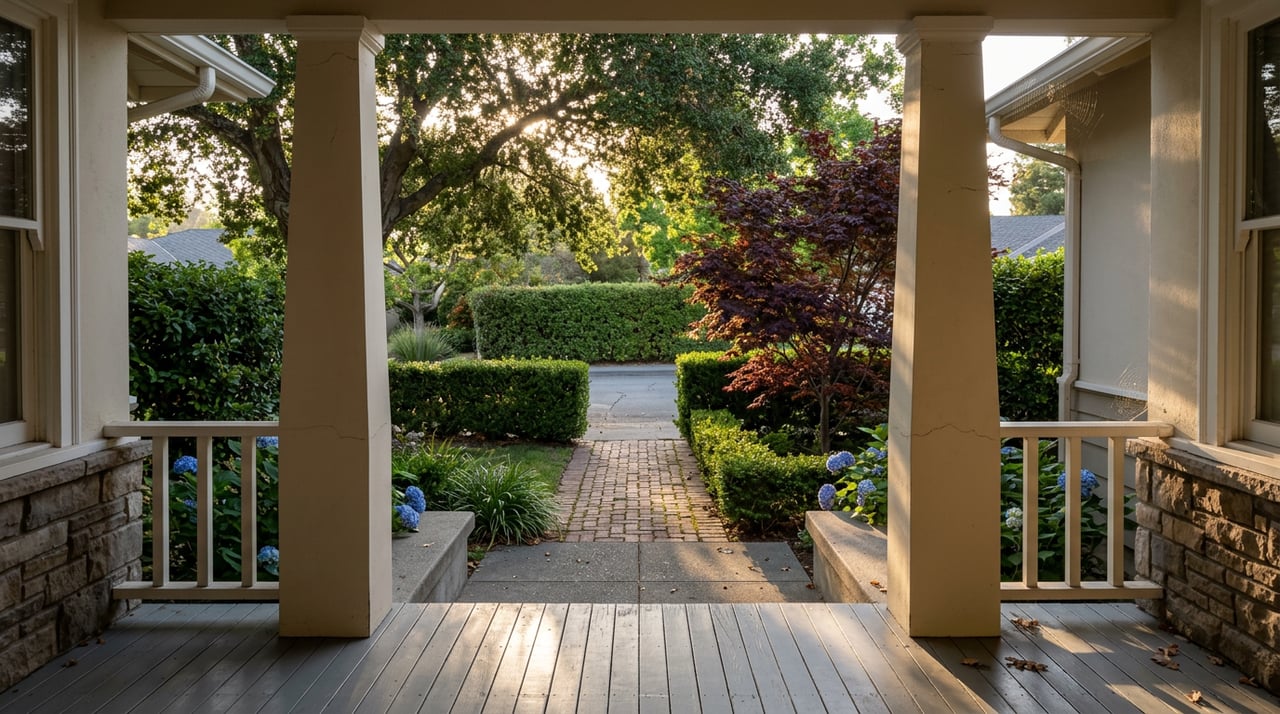
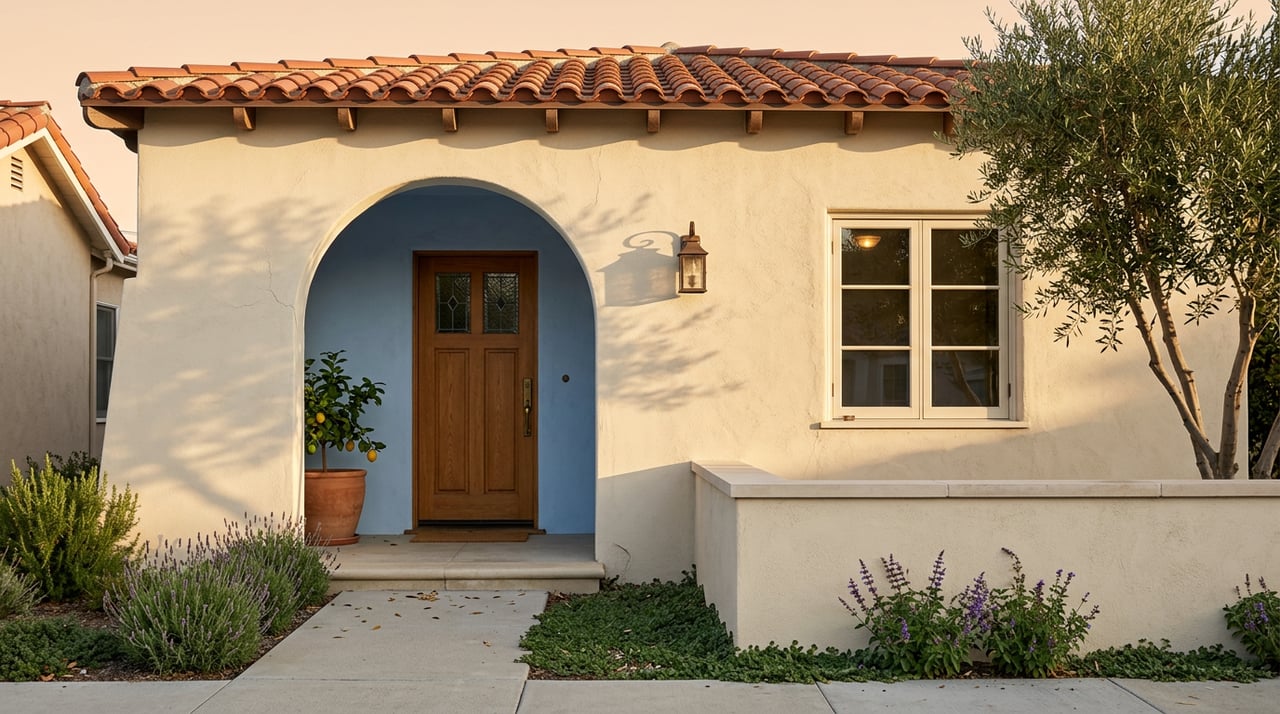
Glendale’s guidance is specific here. Historic roof forms and eave configurations should be preserved. Specialty roofing such as tile should be replaced in kind when needed. Historic porches should stay in place with their proportions, roof forms, and decorative details maintained.
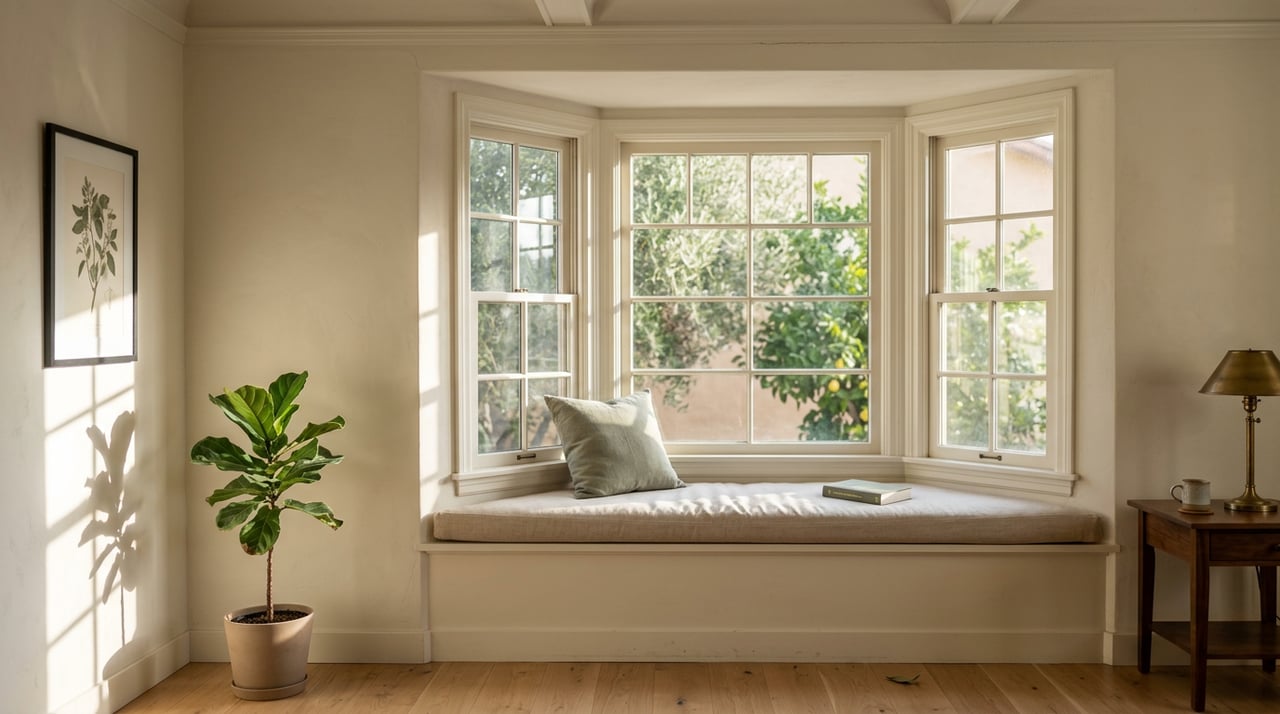
The same care applies to windows and doors. Glendale calls them some of the most visible and important features on a house. Their arrangement, size, and proportions should remain intact, and repair should come before replacement. The city also states that vinyl or aluminum windows are not appropriate replacements.
Exterior finishes deserve equal respect. Wood, stucco, brick, half-timbering, and similar original finishes should be preserved rather than covered with synthetic materials or spray-on substitutes. Glendale also discourages adding guessed-at decorative details borrowed from unrelated houses, which is a helpful reminder that more ornament does not always mean more authenticity.
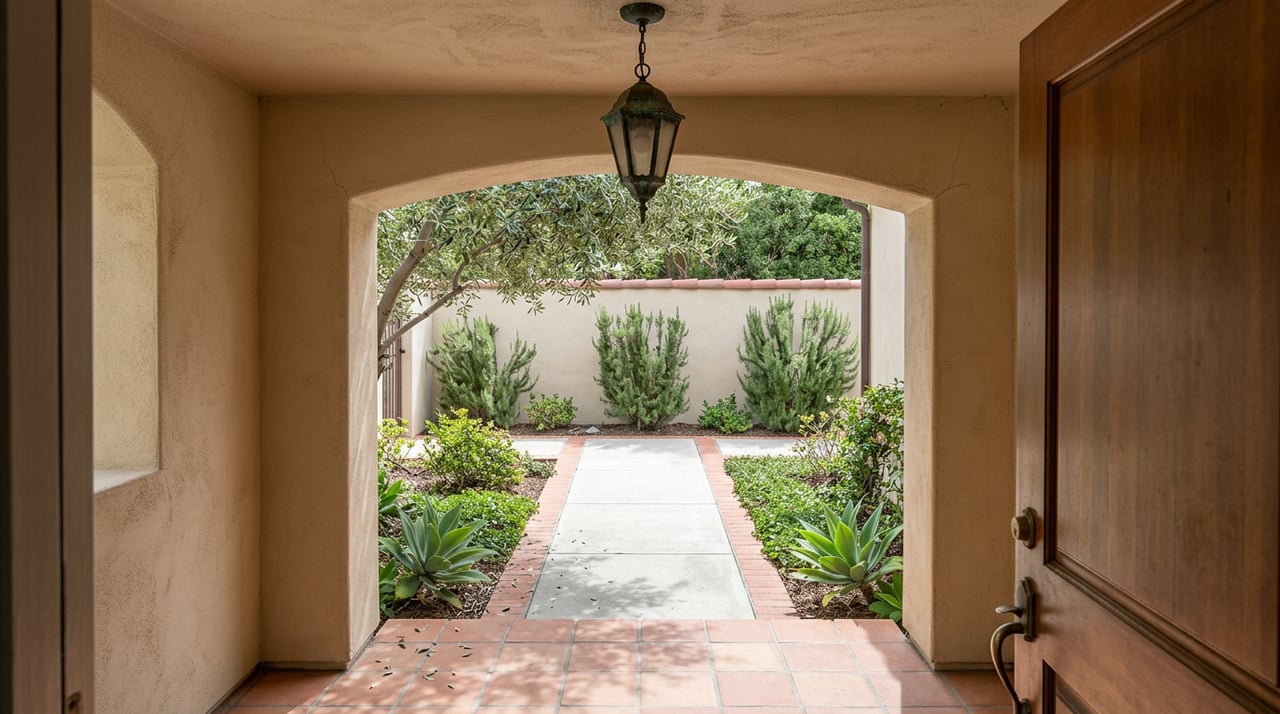
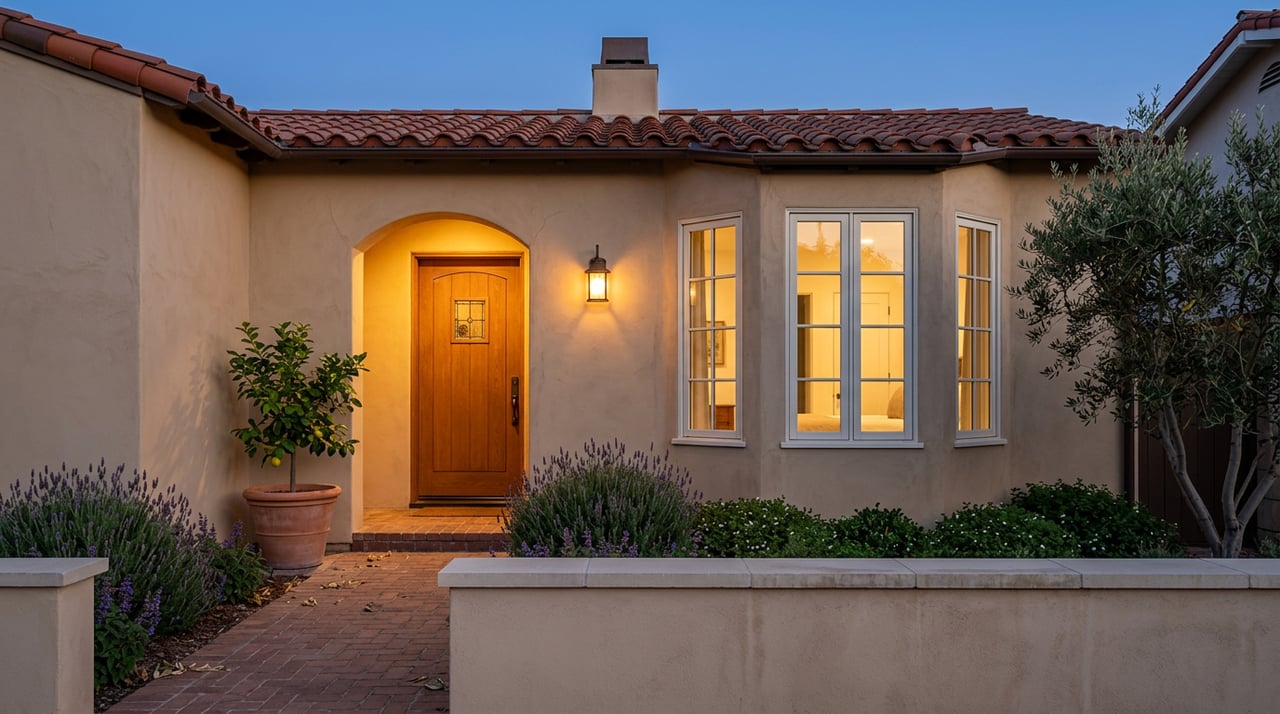
In Glendale, preservation-minded renovation often works best when it responds to the home’s actual architectural style. A Spanish Colonial Revival home in Rossmoyne may call for different choices than a Tudor Revival or a French-inspired house. Compatible updates should support the house you have, not force it into a different identity.
That idea is especially useful in neighborhoods with a strong historic pattern. Rossmoyne, for example, includes many Spanish Colonial Revival, Tudor Revival, and French-inspired homes. If you are replacing elements or making design decisions, the goal is to reinforce the original architectural vocabulary, not blur it.
This does not mean your renovation has to feel frozen in time. It means your choices should look intentional. When the roof, windows, trim, materials, and exterior proportions work together, the house still feels like itself even after a major update.
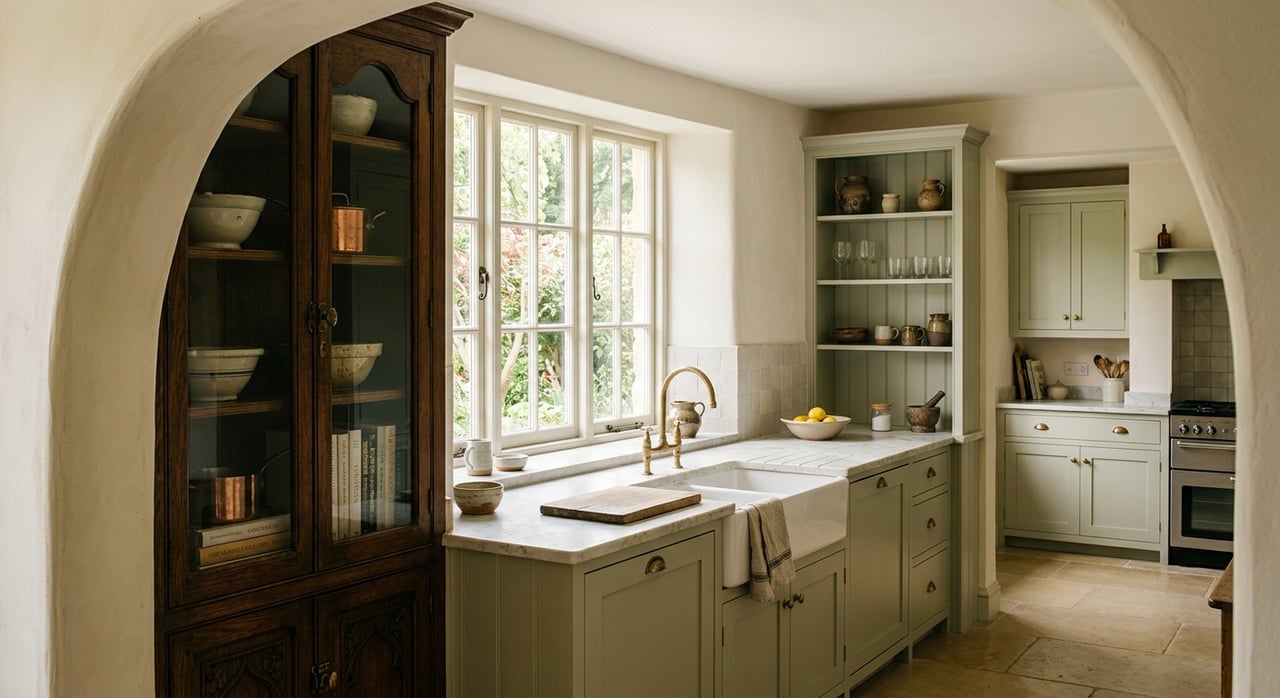
Interior remodels often offer more flexibility than exterior work in Glendale. The city’s residential historic-district guidelines apply only to exterior alterations and portions of the property visible from the immediately adjacent public right-of-way. That means kitchens and baths usually have more room to evolve, as long as the work does not affect reviewed exterior features.
Still, flexibility is not the same as a blank slate. The National Park Service notes that a historic home’s floor plan, primary spaces, built-ins, and finishes help define its character. If you remove too much at once, even a beautiful remodel can leave the house feeling generic.
A better approach is to protect the most important interior elements first. That often includes:
Kitchens and baths can absolutely be updated. A modern kitchen can fit comfortably inside a period house when it respects the room’s proportions, uses compatible materials, and avoids unnecessary damage to original fabric. If a new layout is needed, placing service functions in secondary spaces and using removable partitions can be a smarter strategy than cutting apart a significant room.
When a historic house needs more square footage, location and scale matter as much as design. Glendale and the National Park Service both recommend placing additions at the rear or in another less visible location. The addition should remain subordinate to the original house in massing and scale.
In other words, the old house should still read as the star of the property. The new work should support it, not overpower it. Glendale also says additions should echo the existing roof form and use similar finish materials while avoiding vinyl or aluminum siding, plywood, imitation stone or brick, and synthetic spray-on stucco.
This point is especially important for one-story homes. Glendale strongly discourages two-story additions to one-story houses. If you are trying to gain space, a well-designed rear addition is usually a more preservation-friendly path than building up in a way that changes the home’s historic presence.
A lot of owners assume comfort and efficiency require wholesale replacement. Historic-house guidance suggests a more measured approach. The National Park Service favors repair and weatherization before replacement, especially for windows and doors.
That can be a welcome surprise if you own original wood windows. In many cases, they can be repaired and improved with caulking, weatherstripping, and storm windows. The NPS also notes that full window replacement often does not deliver the energy savings people expect.
If you want better efficiency, start with simpler upgrades first. Attics and basements are often the first places to consider for insulation. Wall insulation can create moisture problems and damage historic fabric if handled without care, so it is not a project to rush into.
The best historic renovations usually begin with the right questions, not the first demolition day. In Glendale, start by confirming the property’s status. Is it on the Register? Is it inside a historic district? Could it be eligible even if it is not listed yet?
Then assemble a team that understands preservation-minded work. Glendale’s district guidelines are intentionally flexible and written as suggestions rather than rigid rules. If you want to depart from a guideline, you do not need a variance, but you should be ready to explain why the standard approach is not workable and proceed through the normal design-review path.
That flexibility can be helpful, but it also means your architect, contractor, and real estate advisor should know how to think ahead. Good planning can save you time, preserve more original fabric, and help you avoid expensive decisions that weaken the home’s character or market appeal.
For some Glendale owners, the Mills Act may be part of the renovation conversation. Glendale says owners of Register-listed properties, and in some cases contributors to historic districts, may be eligible for the city’s Mills Act program. California’s Office of Historic Preservation explains that these contracts begin with a 10-year term, renew automatically each year, and stay with the property when it is sold.
That means renovation planning is not only about design. It can also affect long-term ownership strategy and resale considerations. If you are buying or selling a historic home in Glendale, it is worth understanding whether the property’s status may open the door to this local program.
The best Glendale renovations make an older home easier to live in without erasing the details that make it feel unmistakably local. That balance reflects Glendale’s long preservation ethic and the broader rehabilitation standards used for historic properties. You do not have to choose between comfort and character when the project is planned with care.
If you are buying, selling, or preparing to renovate a character home, local guidance matters. A preservation-aware strategy can help you protect what buyers value, make smarter update decisions, and avoid changes that are hard to undo later.
If you want thoughtful guidance on a Glendale character property, Chris Cragnotti can help you navigate renovation decisions, historic status questions, and the local market with a stewardship-first approach.
Stay up to date on the latest real estate trends.
When you’re ready to make a move — we’re here to make it meaningful, seamless, and fully aligned with your goals. From first steps to final signatures, we’re by your side