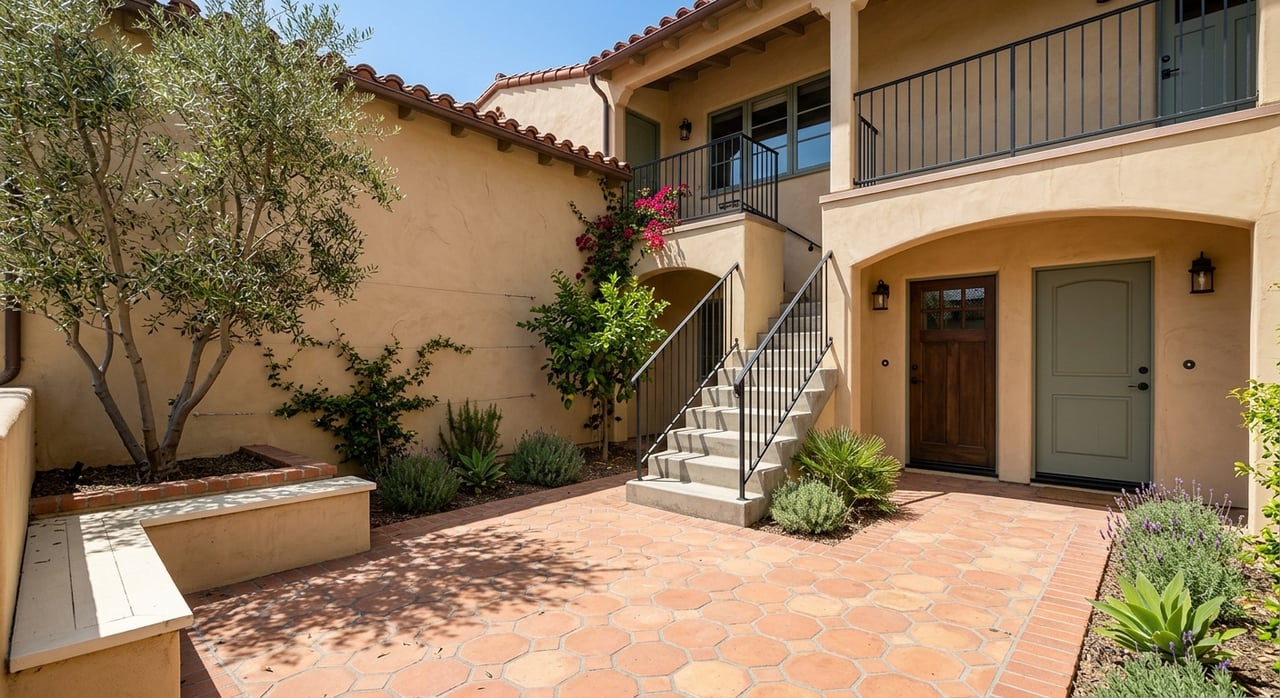
Glendale Duplex & Fourplex Options for Owner-Occupants
June 4, 2026
June 4, 2026
Wondering if a duplex or fourplex could be your way into Glendale ownership without giving up flexibility? In a city where housing costs are high and many residents rent, small multi-unit properties can offer a practical middle ground between a single-family home and a larger apartment investment. If you want a place to live now with the potential for rental income, future family use, or long-term versatility, Glendale’s small multifamily housing stock deserves a closer look. Let’s dive in.
Glendale is a renter-heavy market with a 35.2% owner-occupied housing rate, according to the U.S. Census Bureau. The same source reports a median owner-occupied home value of $1,102,300 and a median gross rent of $2,182. Those numbers help explain why many buyers look for ways to combine housing and income in one property.
Small multi-unit homes are part of Glendale’s existing housing fabric. SCAG reports that 8.6% of Glendale housing units were in 2-to-4-unit structures in 2018, while 52.3% were in buildings with 5 or more units. That makes duplexes and fourplexes an important middle-housing option in a city with both low-density neighborhoods and denser apartment areas.
For an owner-occupant, that middle ground can be appealing. You may be able to live in one unit while using another for rental income, extended family, or future flexibility. In a high-cost market, that kind of setup can open doors that a traditional single-family purchase may not.
At first glance, a duplex and a fourplex may seem similar. In practice, Glendale treats them differently in important ways.
The city’s permit guidance groups duplexes with single-family properties under “Single Family & Duplex (Maximum 2 Units).” Buildings with three or more units, including fourplexes, are handled as “Multi-Family (3 or more Units).” That distinction matters because it affects how you should think about permits, improvements, and day-to-day ownership.
A duplex may feel operationally closer to a house in some city processes. A fourplex, by contrast, sits more clearly in the multifamily category. If you are comparing the two, it helps to think beyond unit count and consider how each property type fits your comfort level for management, upkeep, and future plans.
A duplex can be a strong fit if you want a more house-like ownership experience. With only one additional unit, it may feel easier to manage, easier to share outdoor areas, and simpler to approach if you are becoming a landlord for the first time.
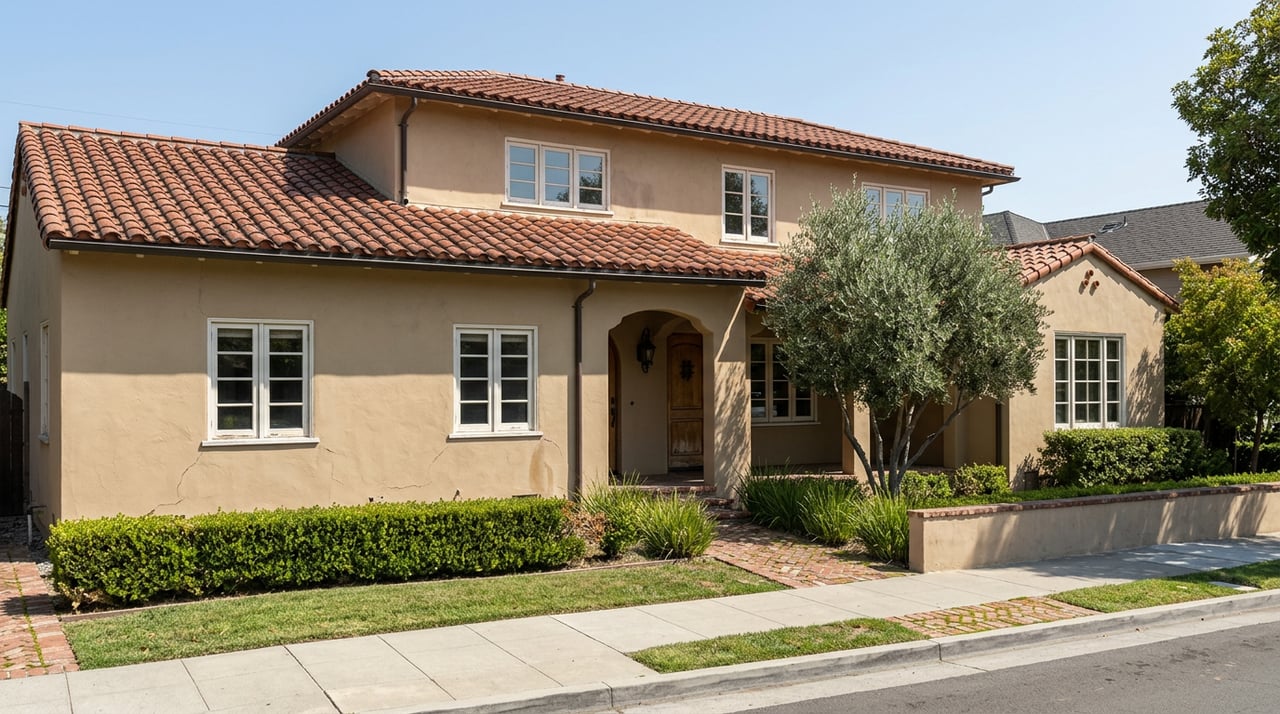
Duplexes can also work well for buyers who want to live close to relatives while maintaining separate spaces. In Glendale, that can be especially useful in neighborhoods where housing types vary block by block and small multi-unit properties blend into the broader residential setting.
A fourplex may appeal if you want more income potential and more flexibility over time. With multiple units, you can have more than one rental stream, more options for household arrangements, and a broader range of uses if your needs change later.
That said, a fourplex often comes with more moving parts. Shared systems, parking allocation, turnover, and maintenance coordination tend to matter more when more households are involved. For some buyers, that tradeoff is worth it. For others, it may feel like too much operational complexity for an owner-occupied property.
One reason duplexes and fourplexes are so often part of the owner-occupant conversation is financing. HUD’s FHA single-family programs apply to one- to four-family properties that are owner-occupied principal residences. That framework helps explain why buyers often search for small multifamily homes they can live in while using other units for rental or family occupancy.
The key point is that owner-occupancy matters. These properties are not just for investors. They can also serve buyers who want to build a life in Glendale while making their purchase work harder for them.
Financing details vary by borrower and property, so it is smart to discuss your specific options early. What matters at the search stage is knowing that a duplex or fourplex can fit within the owner-occupied path, not just the investment-property path.
Glendale’s small multi-unit inventory is not just a niche category. It is also tied to the city’s age and development pattern.
SCAG reports that 61.8% of Glendale’s housing stock was built before 1970. That means many duplexes and fourplexes may offer older layouts, original details, or character features that are different from newer multifamily product. For buyers who appreciate Glendale’s architectural variety, that can be part of the appeal.
It also means due diligence matters. Older buildings can come with more questions about systems, legal configuration, deferred maintenance, and possible preservation rules. If you are drawn to a character duplex or fourplex, it pays to understand not just the charm, but also the property’s paperwork and physical condition.
When buyers picture a multi-unit home, they sometimes assume they will have to sacrifice comfort. Glendale’s zoning standards for medium-density development suggest the city thinks carefully about livability in these settings.
For new or expanded development in certain residential zones, Glendale requires minimum unit sizes, private outdoor space, private storage, laundry facilities, and separation between separate dwelling buildings on the same lot. Specifically, the code sets minimum unit sizes of 600 square feet for efficiency and one-bedroom units, 800 square feet for two-bedroom units, and 1,000 square feet for units with three bedrooms or more. It also requires at least 40 square feet of private outdoor space per unit, 90 cubic feet of private storage per unit, laundry facilities for all units, and 12 feet of separation between separate dwelling buildings on the same lot.
These standards do not describe every existing property. Still, they are a useful guide for what Glendale considers functional small multifamily living. As you tour properties, pay attention to how private the spaces feel, how storage is handled, and whether laundry and outdoor areas are practical for daily life.
In Glendale, parking can be just as important as square footage. SCAG reported that 54% of Glendale households owned two or more vehicles in 2018, which makes parking configuration a major comparison point when you are choosing between properties.
A property with clear parking allocation may function much better than one with an awkward shared driveway or limited on-site parking. This is especially true if you plan to occupy one unit and lease others. Everyday ease matters, and parking issues can shape both your own experience and the property’s future appeal.
There is also a practical ownership upside for smaller properties. The City of Glendale provides waste collection services for residential homes and small apartments and condos with 1 to 4 units. For an owner-occupant, that can make small-property operations feel more manageable than a larger apartment building with more complex service needs.
One of the strongest reasons buyers consider a duplex or fourplex is flexibility. The property can serve one purpose now and another later.
You might live in one unit and rent the others today. Later, you might keep the property as an income-producing asset, create space for relatives, or downsize into a smaller unit on site while keeping other units occupied. That kind of long-term adaptability can be hard to find in a standard single-family purchase.
Glendale also allows certain ADU options on multifamily properties. The city’s rules permit some conversions of existing non-livable space and, in some cases, detached new ADUs. Not every property will qualify, but on the right site, that adds another layer of future potential.
Before you fall in love with a layout or a charming exterior, start with the basics. In Glendale, the first checks should include the property’s zone, the legal unit count, and whether any historic preservation or demolition-review rules may apply.
The city directs applicants planning improvements to identify the zone and review allowed uses and development standards before preparing plans. That matters whether you are dreaming about a remodel, planning to rework outdoor space, or simply hoping to make changes after closing. Assumptions can get expensive, especially on older multi-unit properties.
You should also know that projects submitted on or after January 1, 2026 must comply with the 2026 Glendale Building and Safety Code. If you are buying with renovation in mind, confirming the current city requirements early can save time and frustration.
Glendale has a longstanding preservation framework that can affect older duplexes and fourplexes. The city states that its Historic Preservation Ordinance governs properties on the Glendale Register, the Historic District Overlay Ordinance sets procedures for official historic districts, and the Demolition Review Ordinance applies to proposed demolitions of properties over 30 years old that are not part of a development project.
For buyers who love period architecture, this is not a reason to walk away. It is a reason to investigate carefully. A preservation-minded review can help you understand what you are buying, what may need approval later, and how to plan responsibly for updates.
A Glendale duplex or fourplex can appeal to more than one type of future buyer. Owner-occupants may value the chance to live on site with income potential, while investors may focus on layout, condition, legal unit count, and operational efficiency.
That broader buyer pool can be a real advantage at resale. It also means the details matter. Parking, shared systems, unit livability, and documentation can influence how confidently a future buyer steps forward.
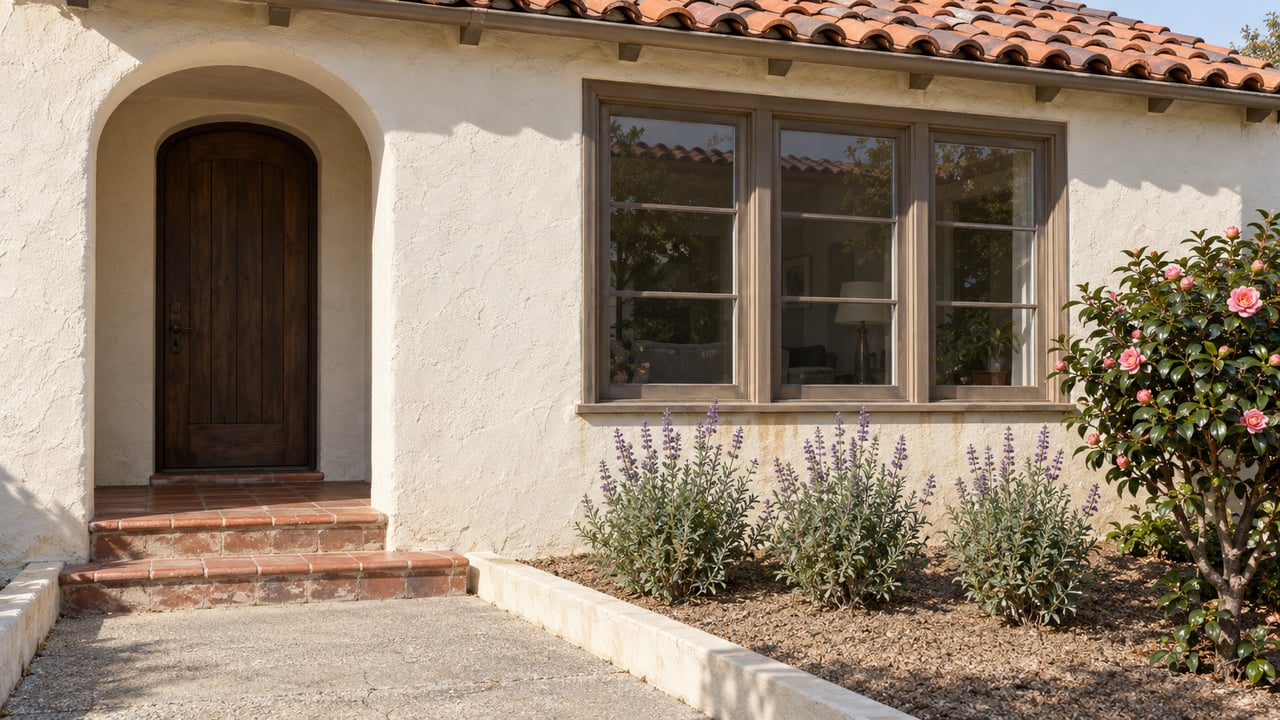
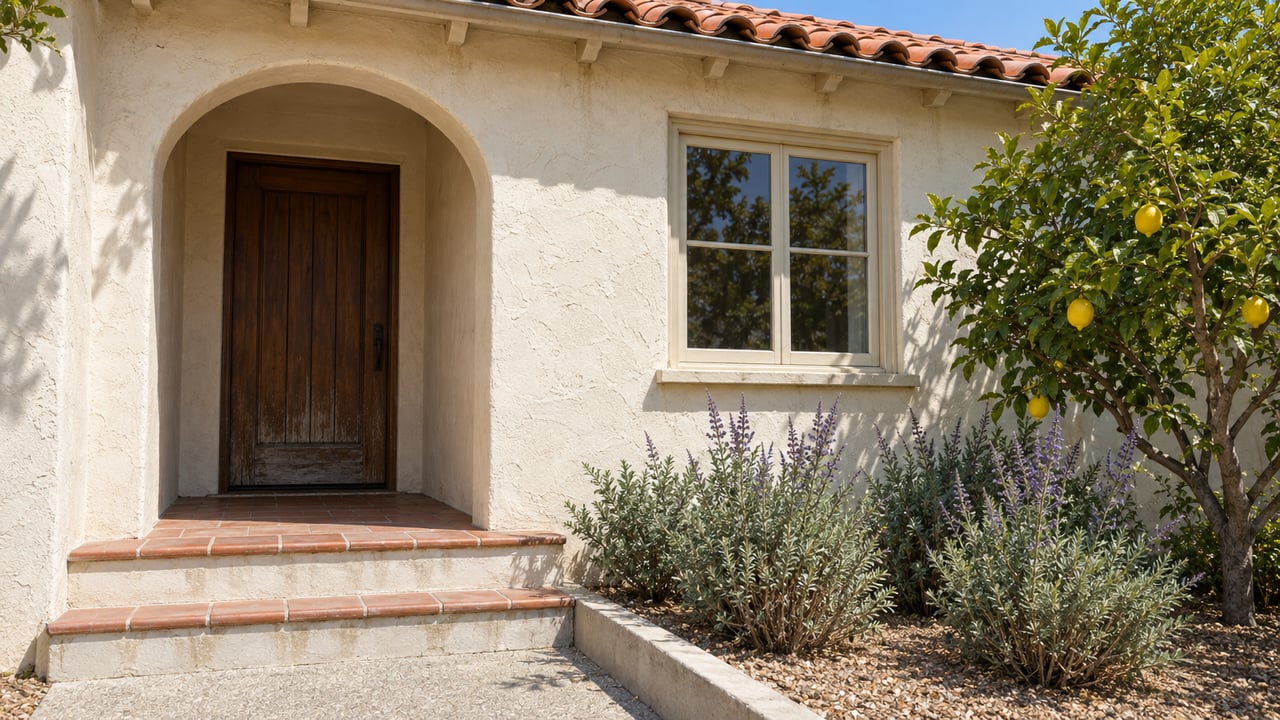
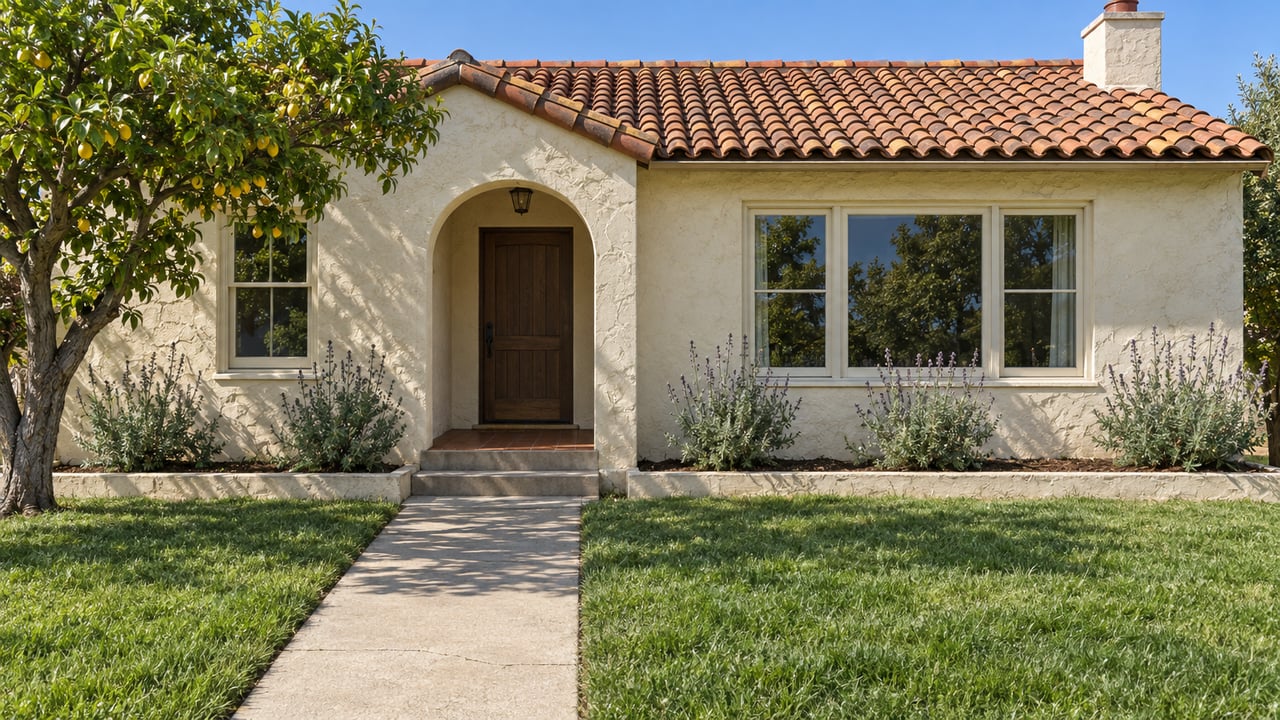
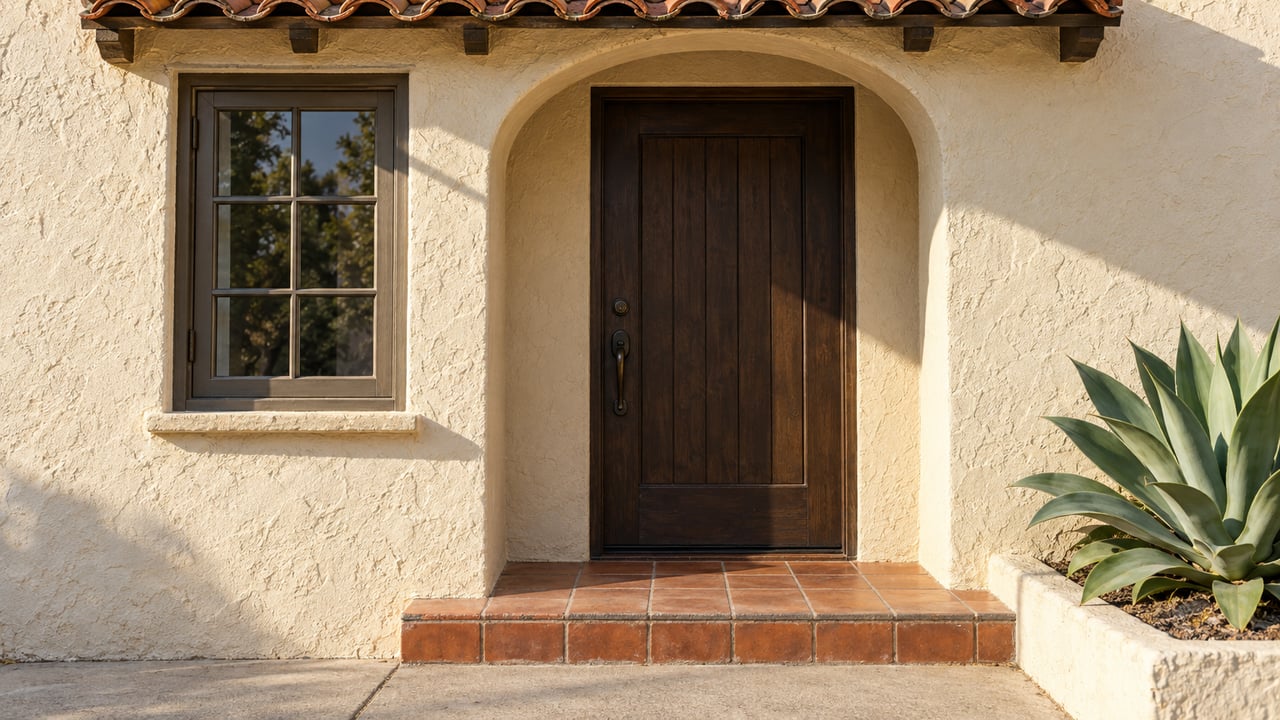
For character properties, presentation matters too. Buyers often respond strongly to buildings that retain their identity while showing clear care and thoughtful upkeep. In Glendale, where older housing stock and preservation awareness are part of the landscape, that combination can be especially meaningful.
If you are weighing a duplex or fourplex in Glendale, it helps to work with someone who understands both the numbers and the nuances. From legal unit questions to preservation considerations, the right guidance can help you see the full picture before you commit. When you are ready to talk through Glendale’s small multi-unit opportunities with a local, detail-oriented perspective, reach out to Chris Cragnotti.
Stay up to date on the latest real estate trends.
When you’re ready to make a move — we’re here to make it meaningful, seamless, and fully aligned with your goals. From first steps to final signatures, we’re by your side