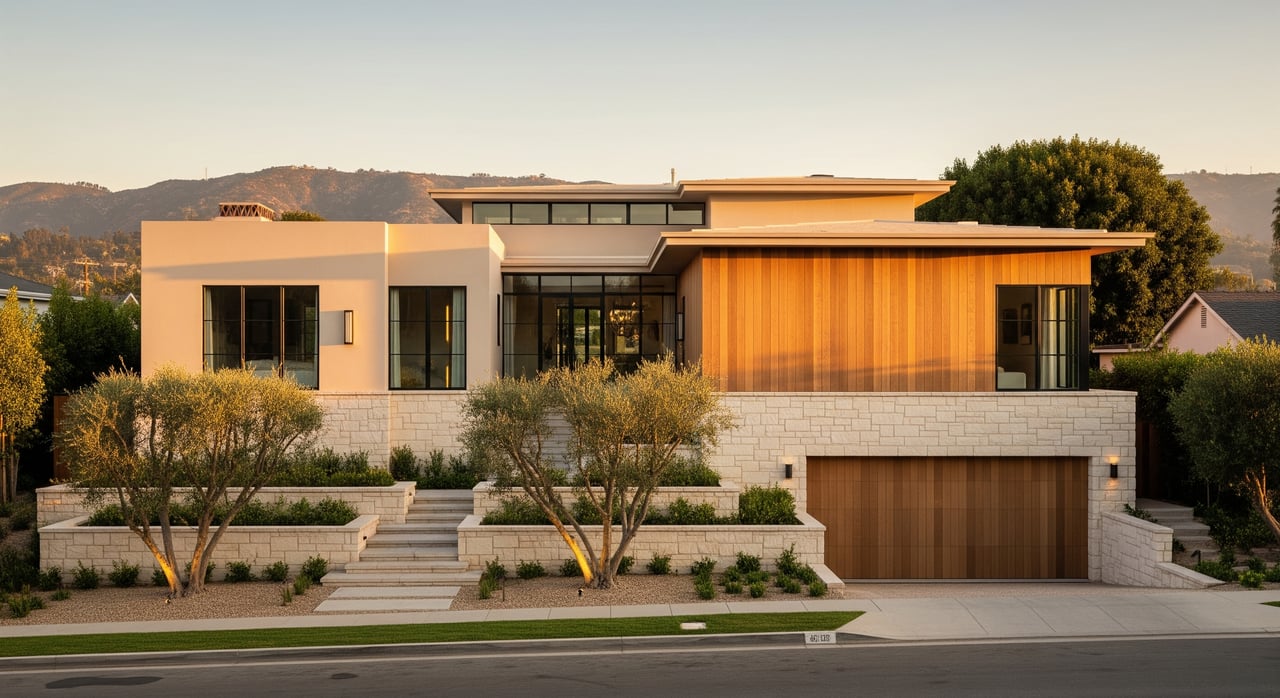
Understanding Glendale’s Design Review Process for Exterior Changes
January 1, 2026
January 1, 2026
Thinking about updating your home’s exterior in Sparr Heights but unsure what Glendale’s design review involves? You are not alone. Many homeowners want to refresh a façade, add a porch, or rework a front yard, yet feel uncertain about approvals and timelines. This guide lays out what typically triggers design review, how the process works, and what to submit so your project moves forward smoothly. Let’s dive in.
Design review focuses on the look and placement of exterior changes that are visible from the street. The goal is to keep new work compatible with neighborhood character, the public streetscape, and zoning and design standards. It works alongside building permits and code compliance, not in place of them.
Key city contacts include Glendale’s Planning Division within the Community Development Department, the Design Review Board for larger items, and Building & Safety for permits and inspections. If a home is designated or within a local historic district, the Historic Preservation Commission may also be involved. Design review approval typically comes before building permits for any project that changes the exterior appearance or massing.
You can expect design review for visible exterior work that changes the way your home reads from the street. Common triggers include:
Minor work that often does not require board-level review includes interior-only projects and like-for-like repairs or routine maintenance. In non-historic areas, simple paint changes and small landscape refreshes are commonly exempt. If your property is historic or within a historic district, expect stricter review of windows, porches, original materials, and other character-defining features.
A short pre-application conversation with Planning staff is a smart first step. You will learn what level of review applies, how to tailor your submittal, and where conflicts might emerge. This early step reduces surprises and can save weeks.
After you file an application, staff checks for completeness and determines the level of review. Minor projects are often processed administratively by staff, while larger or non-routine items go to the Design Review Board for a public hearing. Some projects require mailed or posted public notice, and board items include a staff report and a formal decision.
If approved, you receive conditions of approval that guide final materials, colors, and landscaping. Approvals usually carry a time limit, so plan your start date carefully. Decisions are often appealable to a higher body within a set period, and design approval is not a building permit, so you still need to complete permit review and inspections with Building & Safety.
Clear, complete drawings and documentation are the fastest way to a yes. Prepare these items before you apply:
Start by walking your block with a camera and a notepad. Record setbacks, roof forms, porch types, window proportions, typical fence heights, and materials on 6 to 10 nearby homes. This context helps you shape a design that fits without copying.
Focus on scale and rhythm that match the street. Keep rooflines, eave depths, and openings consistent with the prevailing pattern, and avoid massing that overwhelms smaller neighbors. Preserve features like original porches, wood trim, exposed rafters, and historic windows whenever possible. When replacement is unavoidable, match proportions and profiles closely so the new work blends in.
Choose materials and colors that complement the street. For modern interventions, use high-quality finishes and place them where they read as secondary from the sidewalk. Tuck away visible mechanicals, route conduits cleanly, and keep rooftop clutter to a minimum. If you plan solar panels, use low-profile mounting and sensitive placement, and remember state rules limit unreasonable restrictions on solar.
Early neighbor outreach pays dividends. A quick conversation can surface small fixes that avoid public objections later. For complex or historic projects, consider hiring an architect familiar with Glendale’s process for smoother approvals.
Plan for one to three months from pre-application to design approval for modest, compliant projects. Larger additions, complex designs, and historic homes may require more time. Appeals, variances, or environmental review can add weeks to months.
Budget for design fees, application and plan-check fees, and any specialty studies. The board may request higher-quality materials on visible elevations, so set aside a contingency for upgrades. Check the city’s current fee schedule and ask about refund policies or fees for resubmittals.
If you want a sounding board on design choices, neighborhood fit, or how approvals could influence resale value, we are here to help. Our team specializes in character homes and preservation-aware guidance in Sparr Heights and across Glendale. Reach out to Chris Cragnotti to talk through your project and next steps.
Stay up to date on the latest real estate trends.
When you’re ready to make a move — we’re here to make it meaningful, seamless, and fully aligned with your goals. From first steps to final signatures, we’re by your side