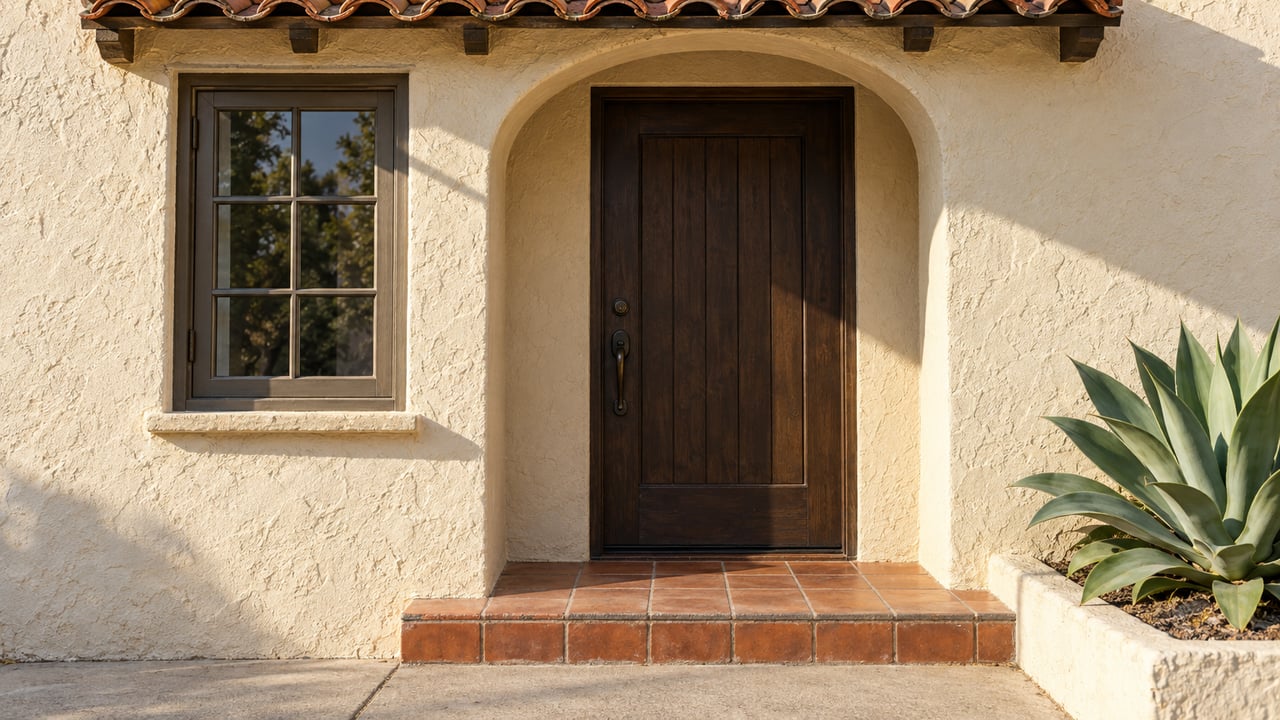
Glendale Never Voted to Close Acapulco. A 15-Day Deadline Did the Deciding.
October 1, 2026
October 1, 2026
Acapulco Restaurant and Cantina served its last brunch at 722 N. Pacific Avenue on Mother's Day weekend, closing after 57 years on a lot at the corner of Pacific and Burchett, just off the 134 Freeway ramps. Nobody on the Glendale City Council voted to shut it down. No public hearing weighed the restaurant against what would replace it. A staff-level design review approved a two-story, self-service car wash on the site back in March, and that decision would have become final and unappealable in exactly 15 days if nobody had filed the paperwork to stop the clock.
That's the part of this story that gets less attention than the restaurant itself. Supporters say Acapulco wasn't struggling. It closed because the property owners chose a different tenant for a use the zoning code already allows, and Glendale reviews allowed uses at the staff level, with a public hearing following when a resident files an appeal within the window.
Acapulco had operated continuously on that Pacific Avenue lot since 1969, the year Neil Armstrong walked on the moon, according to the petition organized to save it. By the time it closed, it was down to one of just two remaining Acapulco locations left anywhere, the chain having contracted sharply since its parent company rebranded from Real Mex Restaurants to Xperience Restaurant Group. Supporters organizing to save the location said it had consistently ranked as the chain's top seller.
None of that mattered to the outcome, because the decision wasn't about whether the restaurant was profitable. It was about what the property owners wanted to do with a piece of commercial land. Property owner Ralph Horowitz told the community in early May that Acapulco could return, kitchen and furniture intact, if the car wash proposal ultimately got denied. A restaurant that was allegedly the highest-grossing location in its chain closed anyway, on a timeline set by a lease decision, not a balance sheet.
On March 27, 2026, City Manager and interim Community Development Director Roubik Golanian signed off on a design review application to demolish the restaurant and build a 5,878-square-foot self-service car wash with 29 parking spaces, most reserved for self-service vacuuming. That approval didn't come from an elected body and didn't require a public hearing. It came through what the city calls administrative design review, a staff-level process built for projects the zoning code already allows.
Councilmember Dan Brotman explained the mechanics at a March 24 council meeting, before the approval was even final. The car wash use was permitted at that address, he said, and the review process was internal, without a public hearing baked in. He put the stakes plainly: "if it gets approved and no one appeals, that's the end of it."
The appeal window is what opened the door to public testimony. Glendale resident Tim Leaton filed a formal appeal before the 15-day window closed on April 13 at 5 p.m., and a second appeal followed, which sent the project to the Design Review Board for a public hearing. Without an appeal, the staff-level approval would have stood.
"There's an owner, and the owner gets to decide what they want to do with their property."
That's Brotman again, describing why the council's hands were largely tied on a use the zoning code already permits. He also raised a fair question of his own: whether the city should be more deliberate about where high-traffic uses like car washes and drive-throughs are allowed, especially next to freeway on- and off-ramps, given the congestion already at that intersection.
The appeal moved the decision to Glendale's Design Review Board, which held its hearing on August 27 in a room packed with residents holding signs reading "Save Acapulco" and "No Car Wash." One young child reportedly told the board he'd been eating at Acapulco since he was born. Longtime neighbor Jeff Cohen noted that there are already 14 car washes within a three-mile radius of the site, a point aimed at the project's stated need. It took three separate rounds of voting, and two board members initially refused to approve the project over a housing-law question Leaton had raised in his appeal, before the board settled on approval with conditions.
Those conditions changed the shape of the project without touching the underlying use:
The car wash still got approved. What four hours of public testimony bought wasn't a different outcome, it was a better-designed version of the same outcome.
A second appeal window followed the board's decision, closing September 11 at 5 p.m. If a new appeal was filed by that deadline, the matter now sits with the City Council rather than the design board, since a City Council vote would be the only body actually elected to weigh in on this project directly. What's clear as of late September is that the administrative and design-review stages of this fight are finished. Whatever happens next moves at council's pace, not staff's.
Glendale historian Damian Sullivan, who runs the Vintage Glendale archive, made a broader point at the August hearing that outlasts this one address. He argued that Glendale's zoning code is overdue for an update, noting that other Southern California cities, including Culver City, Whittier, Yucaipa, Hesperia and Laguna Beach, have already adopted bans, moratoriums or significant restrictions on new drive-through or express car washes. Glendale hasn't. Until it does, this same administrative path stays open for the next commercial lot where a landlord decides a car wash pencils out better than whatever's operating there now.
For a firm that spends a lot of time on Mills Act advisories and Historic Preservation Commission business, it's worth being precise about one thing: this fight was never going to be won through landmarking. City records show the Acapulco building itself is not eligible for listing in the state or local registers of historic resources. That door was closed before anyone filed an appeal. The only lever available to residents was the zoning and design review process, and that lever only engages if someone pulls it inside a 15-day window.
Locals commenting on the closure online tied it to a longer list of losses along the same corridor: Marie Callender's, Shakers, the marketplace fountain with its frog statues, and Conrad's, which closed during the pandemic. Those closures each had their own circumstances. The Acapulco case shows how a use the zoning code already permits moves through staff review, with public testimony following when a resident files an appeal in time.
If you're watching what happens to a familiar building on your own block, the appeal window is short and the default outcome favors whoever files the paperwork fastest. G&C Properties tracks these design review and zoning decisions across Glendale's neighborhoods because they shape the character of the streets our clients live on long before any of them show up in a listing. If there's a project on your corner you want to understand better, get in touch.
Stay up to date on the latest real estate trends.
When you’re ready to make a move — we’re here to make it meaningful, seamless, and fully aligned with your goals. From first steps to final signatures, we’re by your side